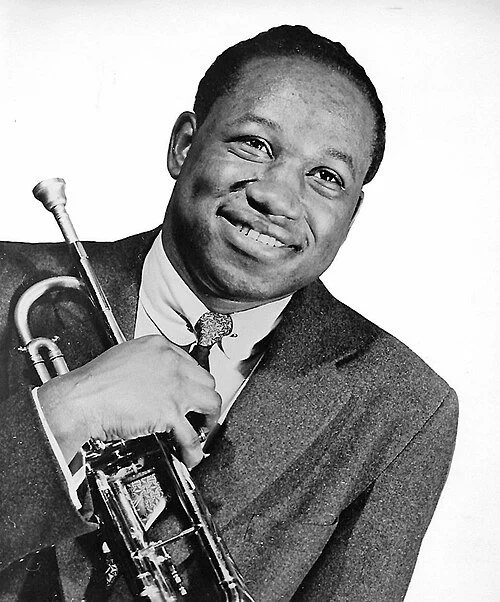
I’ll Remember Clifford
Photo from Wikipedia.
“The sound of his phrase
Echoes a time uncountable by days
The things he played are with us now
And they’ll endure should time allow
Oh yes, I remember Clifford
I seem to always feel him near somehow.
”
It’s no secret to hard-bop enthusiasts and dedicated jazz musicians that the music of Clifford “Brownie” Brown is both timeless and inspiring. His impeccable time and ingenious phrasing highlights a time in which the greatest jazz players started to refine the genre into something so grand that even the most dedicated and knowledgeable players can stumble around the technical mastery of the music. I, and many others who have been exhaustively obsessed over the music and stories of bop masters in the 1940’s-60’s, can say with certainty that Clifford Brown may be the greatest jazz trumpet player of all time, or perhaps the greatest trumpet player, period.
Biography
Born in 1930, Clifford Brown grew up at the very beginning of the swing age of jazz. He attended Howard High School and performed locally as a trumpet player, occasionally being paid to play jazz around his hometown. Even as a young man, Brown was an intense and dedicated musician, and his discipline eventually allowed him to sit in with Dizzy Gillespie’s band at only 19 years old. Dizzy was impressed by Brown’s skill and encouraged him to pursue a career in jazz.
Brown continued to play frequently, and eventually attended Delaware State College, where he studied mathematics and then transferred to Maryland State College, where he chose to study music. Throughout his entire college career, Brown continued to play trumpet and often travelled to Philadelphia for jam sessions and performances at Club Harlem and the Blue Note with famous musicians like Tadd Dameron, Dizzy Gilespie, Kenny Dorham, Max Roach and Fats Navarro, who all would greatly influence the unique style that defined his sound.
He went on to meet even more famous jazz musicians such as Charlie Parker, who admired Brown’s sound and recommended him to Art Blakey’s Band. Art Blakey was becoming famous for spearheading the hard-bop movement and helped to grow Brown’s popularity. His early Art Blakey Quintet (later titled Art Blakey and the Jazz Messengers) recording, titled A Night at Birdland, highlights the very beginnings of his hard-bop fixation. In his early twenties, Brown had one of the strongest reputations in the industry at large.
The Works of Clifford Brown
Clifford Brown and Max Roach
Clifford Brown and Max Roach is the self-titled album featuring the two musicians. Both were already famous for their mastery of bop, and when they came together, (alongside pianist Richie Powell, tenor saxophonist Harold Land, and bassist George Morrow) they created some of the greatest sounds in the entire bop genre.
Tracks on this Record:
Delilah
Parisian Thoroughfare
The Blues Walk
Joy Spring
Daahoud
Jordu
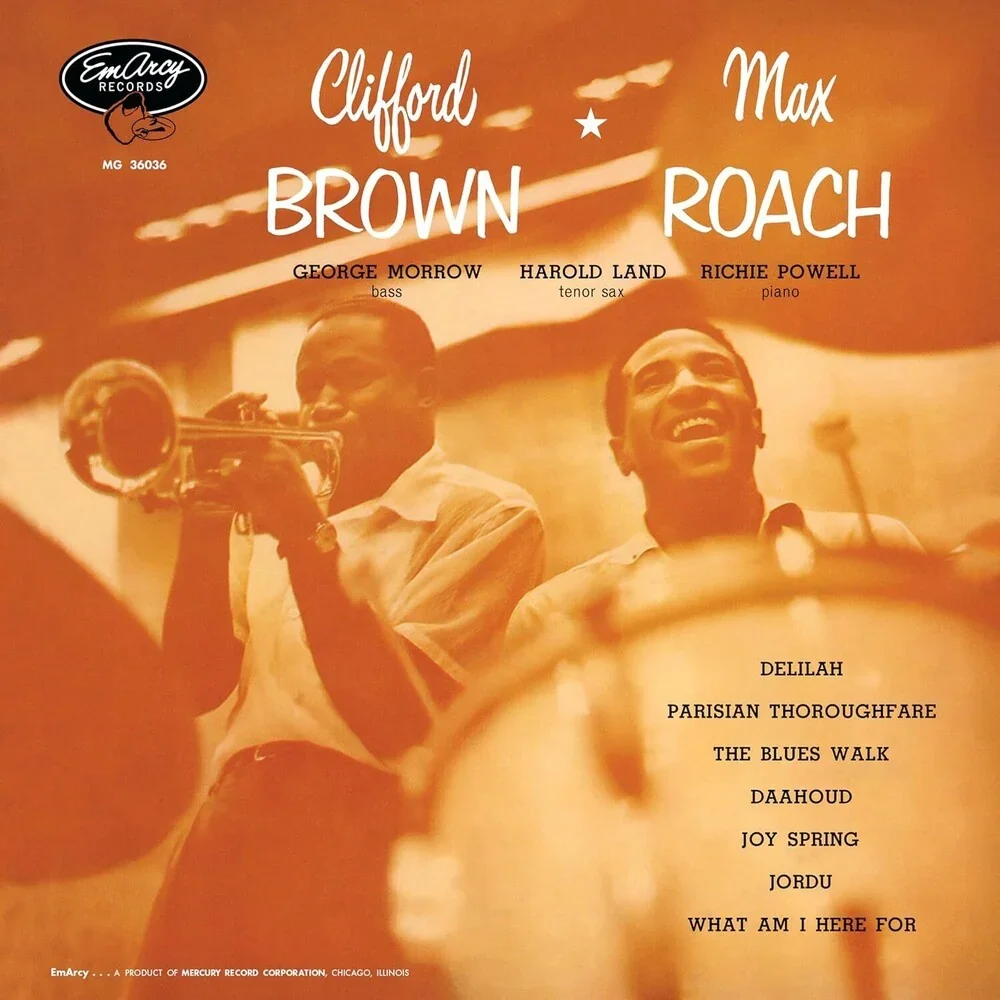
Clifford Brown and Max Roach Universal Music Group (Photo sourced from Strictly Discs).
There are few jazz fans who have not heard, studied, or played at least one track from this record. I have toiled over some of his songs myself, as when I first heard this album, I immediately learned the melody to “Daahoud.” It really caught my attention because Brown’s playing spills over with this wonderful joyous sound that is present throughout the album.
Clifford Brown With Strings
Likely inspired by Charlie Parker’s famous record Charlie Parker With Strings, Brown demonstrates his immaculate tone over several famous jazz ballads. His horn cries out and embraces the listener, singing lullabies to them with gorgeous tone and precision. Somehow, Brown manages to blend his bop style perfectly into these ballads. He glides effortlessly through the changes with his perfect sound. This album is, frankly, a privilege to listen to.
Tracks on this record;
Stardust
Where or When
Portrait of Jenny
Smoke Gets in Your Eyes
Memories Of You
Willow Weep For Me
Embraceable You
Can’t Help Lovin’ Dat Man
Blue Moon
What’s New
Laura
Yesterdays
Clifford Brown With Strings Universal Music Group
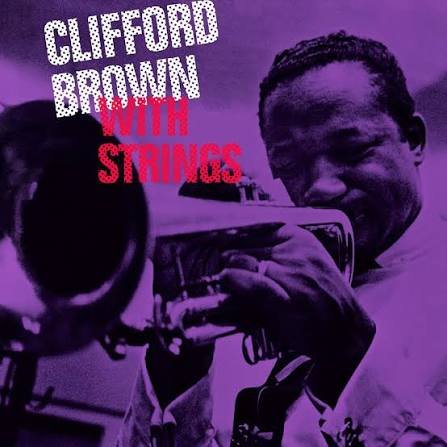
Clifford Brown With Strings Universal Music Group (Photo sourced from Jazz Messengers).
There are so many memorable ballads on this album, but I personally have come to appreciate “Smoke Gets In Your Eyes” and “Stardust.” Brown demonstrates such principled playing that any jazz musician should try and emulate.
Study in Brown
Study in Brown is second to Clifford Brown and Max Roach in influence. It really shows the best of Brown’s bop music. I think the band synergy in this album is one of its best features, and Brown’s playing is top tier as always.
Tracks on this record:
Cherokee
Jaque
Swingin’
Lands’ End
George’s Dilemma
Sandu
Gerkin for Perkin
If I Love Again
Take the “A” Train
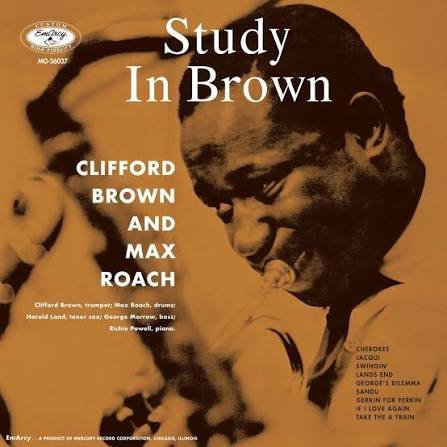
Study in Brown Universal Music Group (Photo sourced from Jazz Messengers).
The most famous song on this album is “Cherokee,” and for good reason. Brown’s solo is an impressive accomplishment of music, and many trumpeters and jazz fans could sing the entire thing by heart. I love this track too, and his version of this song is a real staple in the jazz community.
Remembering Clifford Brown
On June 26, 1956, Clifford Brown, as well as bandmate Richie Powell and his wife, Nancy Powell, were all killed in a tragic car accident. Brown was only 25 years old. When the jazz world received this news, everyone was devastated. Brown was widely known to have abstained from heroin and drug use. He was widely loved and cherished as a man and musician, and no one had expected him to die so young. Benny Golson recalls: “Now I happened to be playing in Harlem, with Dizzy Gillespie at The Apollo Theatre, and we heard that Clifford Brown had been killed in an automobile accident and we couldn’t believe it. Brownie? Dead?”
Golson was Brown’s bandmate and close friend in Lionel Hampton’s band. After hearing the news of his death, he wrote the now-famous jazz ballad “I’ll Remember Clifford” to grieve his friend. The ballad weeps solemnly over his death, while closely honoring the manner of playing that Brown was famous for in his ballads.
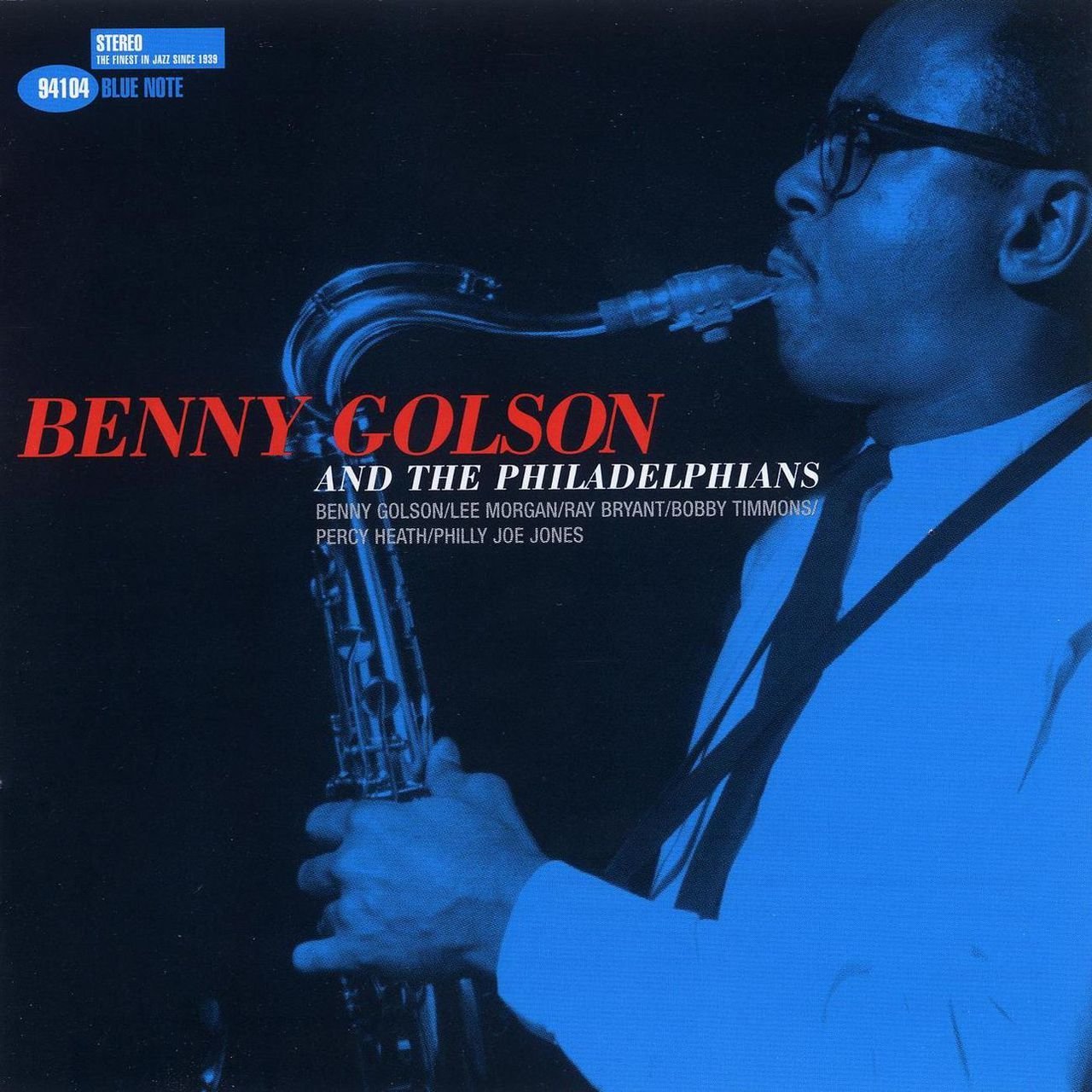
Benny Golson and The Philadelphians United Artists Records (Photo sourced from Tidal)
Many others joined in to grieve their lost friend—Billie Holday, Lee Morgan, Art Blakey, Oscar Peterson, and many, many more would cover the song, and today, “I’ll Remember Clifford” remains a popular musical standard amongst jazz musicians.
It is a tragedy that Clifford Brown died so young and so suddenly, before he was able to release the music he had worked so hard to perfect. He deserved to live on longer and make more of the music he loved. Clifford Brown may be gone, but so long as jazz continues to thrive, and people keep honoring his legacy by learning from his music, he will live in the music of jazz musicians globally.