Attendance Changes: Helpful Progress or Harmful Policy?
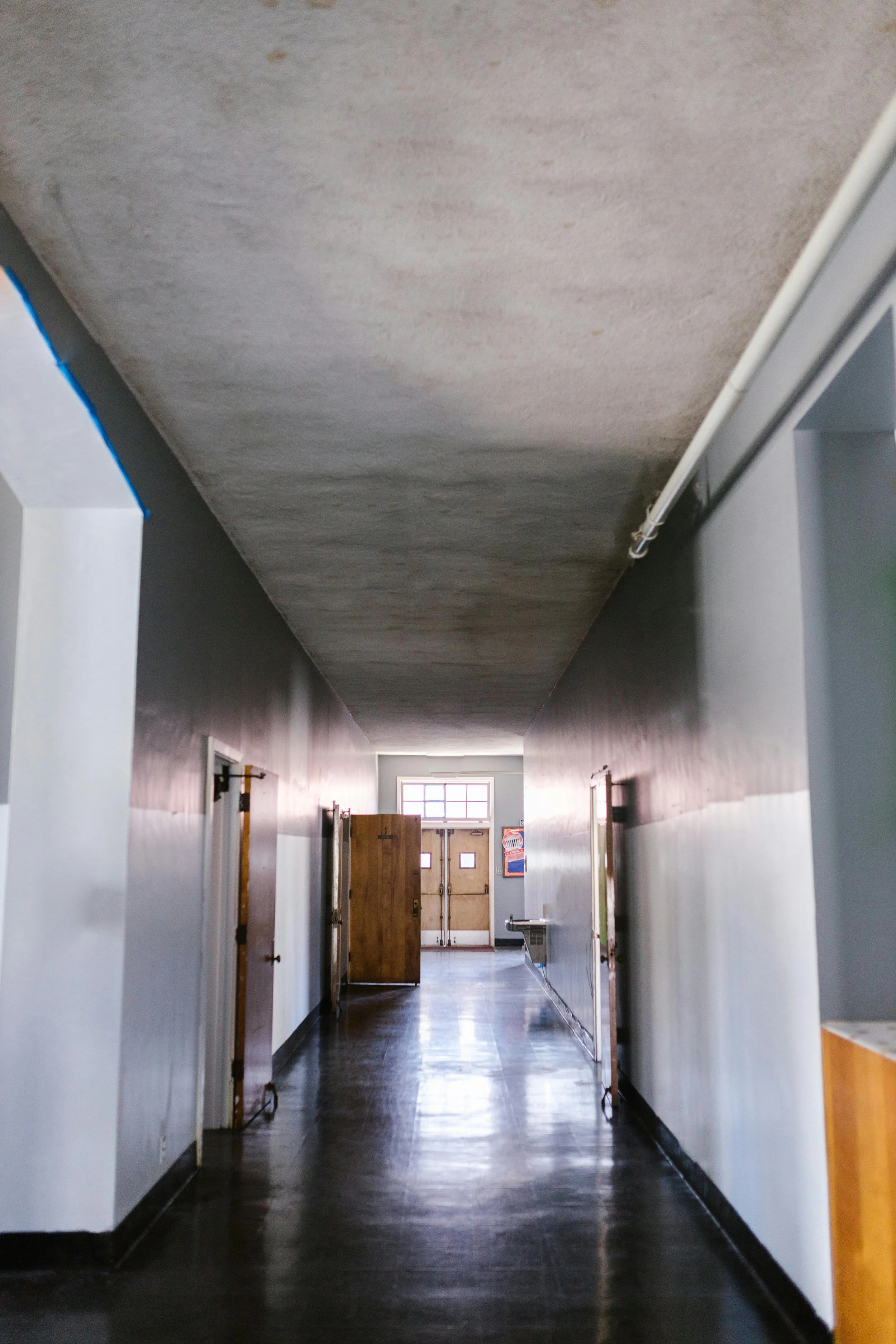
Photo from RDNE Stock project via Pexels.
In addition to many new changes this year, an interesting shift occurred: Our passing time in between classes shifted from seven minutes to six minutes. And this sparked a thought: What do we as students and teachers gain from this change? Or, what do we lose?
In a random survey of 46 anonymous students, there were mixed feelings about the change. One of the first survey questions asked students to self-report how the loss of one minute may be impacting the time it takes to get to class. The majority of surveyed students, 50%, did not record an increase in tardiness. On the other hand, we saw that 38% of students self-reported an increase in tardiness this year, especially those whose locker is far away from their classes, as six minutes is perceived as not enough time for students. It is also visible that about 12% of students who saw no increase in tardiness have had a noticeable increase in close calls of tardiness due to this change. One quote from an anonymous contributor states, “There's not enough time to do all I need during passing and I'm consistently tardy.” Though it may seem miniscule and harmless, this change has had big impacts on staff and students alike.
I interviewed Mr. Bauer—Hamilton High School’s principal—to learn more about the reason behind the change. During my meeting, Mr. Bauer mentioned the reason for this change in passing time is due to our music program. The music teachers spend the morning teaching at the middle school, and aren’t able to make it in time for advisement every day. Several minutes were added to advisement, and it was shifted to later in the school day. The other reason was due to the expansion to the lunchroom allowing for two longer lunch periods, rather than three lunch blocks in previous years. Lengthening the lunch blocks meant that passing time was shortened.
With this crunch, the main contributor to the need for longer passing times is the distance from classes to lockers. In a survey with 46 different responses, 63% of students' lockers are far away from their classes whilst 37% felt that their locker was close to all of their classes. This is another crucial piece of evidence proving the need for longer passing time as form responses talk about the feeling of needing to hurry from class, to their locker, back to another class. One anonymous responder said “I barely am on time to my classes, I don't have time to go to the bathroom or fill up water, and I am in a rush.” This quote explains this issue, and how it appears to be related to the passing time changes.
During my meeting with Mr. Bauer, I made a note to ask about a possibility to shift lockers based on the students' schedules, to which he told me that it would be difficult to pull off. However, he mentioned we may be able to organize them by grade level due to each grade level’s required classes, allowing for the change in passing time to better suit students. As I stated earlier, 63% of students surveyed felt that their locker is not close to their classes. If their lockers could be closer to their classes, there would be a little to no time crunch throughout the day.
With the loss of a minute, many students feared increased tardiness to class; however, the data provided by Mr. Bauer on the tardiness and unexcused absences this year does not support this.
Excused absences are down 5.84% compared to Sept–Oct 2024.
Unexcused absences are down 2.18% compared to Sept–Oct 2024.
Excused tardies are down 51.19% compared to Sept–Oct 2024.
Unexcused tardies are down 6.36% compared to Sept–Oct 2024.
Though these numbers show a decrease in tardiness, that does not take away from the negatives of the change and there are a number of other factors that could affect this data (the effect of new administrators enforcing rules after a year, some teachers who mark tardies and others who do not, etc.). The biggest negatives we have seen are lesser time to ask questions, use the bathroom, and fill up a water bottle. Though we have seen a decrease in tardiness, it comes at a cost to teachers and students alike. One anonymous answerer stated, “It may seem like a small change to admin, but it genuinely is to no one's benefit. I have classes all over the school and cannot make it anywhere with spare time, let alone if I need to stay behind to ask questions. Everyone I know is having similar issues.” This shows how it affects students and teachers alike as there is now less time to prepare for each class and complete the necessary tasks in between classes.
In some aspects, the change in passing time is a positive change: an increase in time spent learning, more time focusing, and more time to ask questions during class. But with this change there are many negatives to it as well. Throughout the responses there was a sense of increased stress levels as students do not know if they will make it to class on time. There is a bigger time crunch for students disallowing usage of the bathrooms in passing time, and less time to get to class. With these in mind, the student body feels the need for a change back to the seven minute passing period, some students even saying, “I believe it was a needless change, I do not believe the extra minute or two of class will make any significant difference in student success. Why fix something that isn’t broken?” Although there has been no increase of tardiness in itself, there are certain ways we could reduce tardiness to zero, and bringing back the seven minute passing time would be the most crucial step to this solution. With this in mind, what could we as students and staff gain back from extra passing time?