The Era of the Exposed: The ‘What’ and ‘Why’ of Cancel Culture
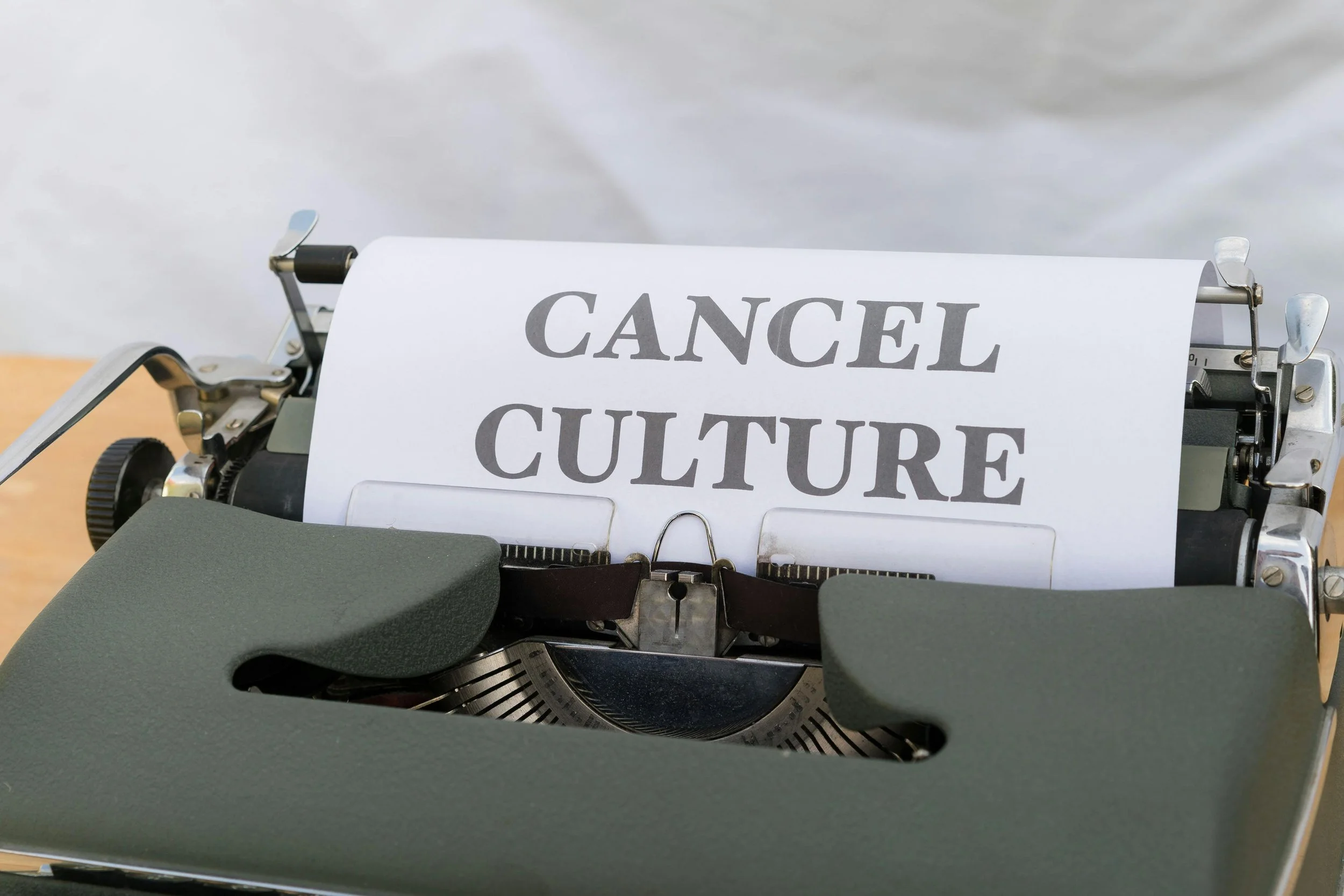
Photo by Markus Winkler from Pexels.
The rise to fame is a well-documented and publicized process. Paparazzi, screaming fans, crowds roaring and shouting一but for some, it only lasts so long. For many celebrities, a simple sentence worded wrong during an interview or a tweet from when they were 16 becomes the boulder rolling down the hill of a soon-to-be forgotten career.
Starting in 2015, the phenomenon of cancel culture took careers and opportunities away at the click of a button, wiping away once beloved faces from the apps on every teenager’s phone. Cancel culture is the custom of calling out people, particularly celebrities and influencers, when they are doing something socially viewed as unacceptable. The mid 2010s is when the #MeToo movement started, a movement founded by Tarana Burke to show support to young surviors of sexual assault which marked a new age of awareness and protesting. ‘Black Twitter’ also became a space for people, primarily African Americans, to point out flaws and wrongdoings of celebrities. Tweets began to talk about people like Kanye West and Emma Stone or brands like Gucci and Pepsi for offensive behavior, deeming them unworthy and unethical.
Canceling can be for a plethora of reasons. From political views to opinions about foods—people get called out for anything that could be considered rude or offensive. As a celebrity, it is assumed that people are nearly watching your every move. This results in what is commonly referred to as “PR training.” PR training aims to prepare for interviews, interactions, and responses for celebrities to prevent the outcomes of cancel culture or hate from the media. This is considered important for a lot of managing teams because just a small change of tone or words can be the catalyst for the downfall of a public figure.
For example, actor Timothee Chalemet was just recently “canceled” for one of his responses on a talk show with fellow actor Matthew McConaughey. When talking about his line of work, Chalamet says, “I don’t want to be working in ballet or opera where it’s like, hey, keep this thing alive…no one cares about this anymore,” This statement went viral across the internet and fans commented and reposted, expressing their newfound dislike and disappointment in the actor. The majority of netizens made the point that opera and ballet cost significantly more than it costs to go see a film starring Timothee Chalamet and your local movie theatre.
To some, cancel culture seems like a dramatized opinion-based movement done by teens and young adults of Gen Z. The people born from 1997-2012 have been considered “sensitive” by older generations since they grew up and were able to press buttons on a screen. The “screenager” aspect that lots of Gen X or millennials mention is what most say contributes to cancel culture. Written in an article on the New York Post, “Cancel Culture is out of control - and Gen X is our only hope…If we can’t find the guts to do this dirty job…Our children and our children’s children will be forced to navigate a miserable, paranoid world of lies and deception.” This just one example of what older generations think about cancel culture and its “makers.”
Although canceling is mostly seen as a result of overuse of the internet, there are times when celebrities are called out for things more serious than just an opinion about entertainment. For example, times like November of 2022 when rapper Kanye West took his argumentative thoughts and comments to social media platform X are when canceling seems more fitting. The rapper posted a series of tweets, the main topic being antisemitic and “anti-black.” After these tweets and some interview responses, brands like Adidas and Balenciaga began to get rid of brand deals with Kanye in an effort to separate themselves from the image the rapper had made for himself.
Overall, cancel culture and its importance or value is constantly up for debate and most likely will be for years until Generation Beta grows up into teens themselves. Whether it serves a good purpose of awareness and understanding of real-world issues or if it goes too far, cancel culture is undeniably an aspect of modern-day social media and its traits.