The Psychology of Nostalgia
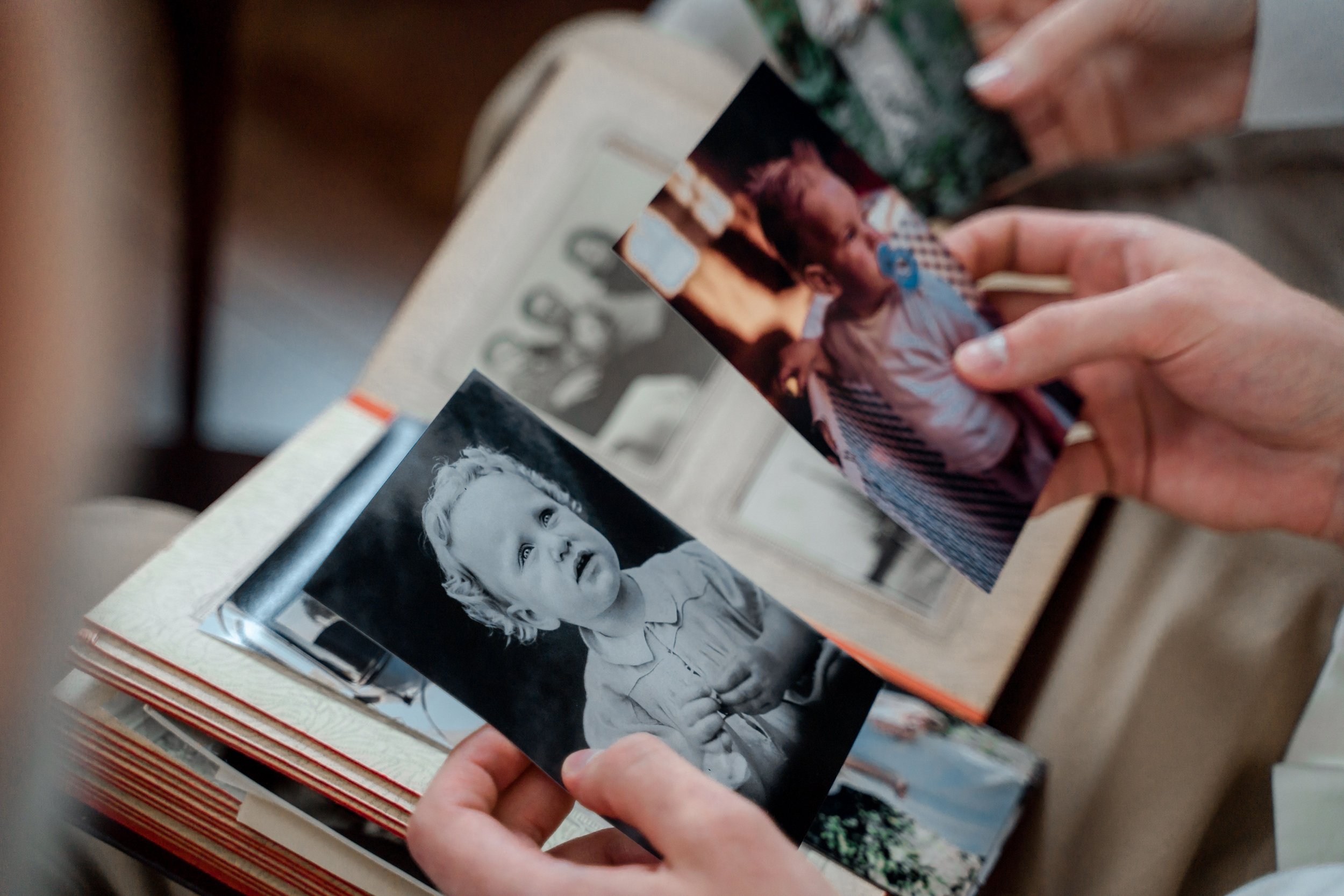
Photo from cottonbro studio on Pexels.
In 1688, Johannes Hofer, a Swiss medical student combined two greek elements; Nóstos, meaning homecoming, and Álgos meaning grief, pain and ache to create the term Nostalgia. While Swiss mercenaries fought away from home in European lowlands, they experienced a severe illness that affected their physical and psychological wellbeing. Common symptoms were heart palpitations, anxiety, insomnia, and extreme melancholy. By the 18th - 19th centuries, the term was expanded to cover any soldier and sailors displaced from home. In the 1920s, the word evolved, meaning a wistful and bittersweet longing for a past time.
What does nostalgia mean for you? Maybe it’s the sound of birds chirping on a hot summer day, or the smell of your grandmother's apple pie on Thanksgiving. Overall, for everyone it’s a mental walk down memory lane of vivid, intense memories from long ago. While reminiscing, many ask themselves the same question, “Why does the past sometimes feel better than the present?”. There’s not just one answer - it’s a complex, psychological concept that varies across many people.
Powerful memories of the past are triggered by numerous reasons. Number one being sensory experiences; perhaps it’s a scent, taste, or a sight. Among all of these, scent stands apart from the rest. In the human brain, unlike sight or touch, smell information goes to the olfactory bulb, which belongs in the limbic system, the part that plays the role of the brains hub for information also containing the amygdala (responsible for experiencing emotion) and the hippocampus (responsible for memory). Due to this, scent signals require very little relay time to reach stored emotional memories. Sight, touches, and sounds must first pass through the Thamalus, the brain's relay system for sensory information – these signals don’t go straight to the source.
Secondly, major life transitions can intensify feelings of longing for the past. Moving, retiring, changing careers, aging, and graduating are great disruptions of daily routines. Remembering moments from the past acts as an anchor. They help peopl e cope with comforting memories and by bridging the gap between who you were and who you are becoming by establishing a durable core identity. In eras during individuals lives where change is prominent (ages between 10-30), identity is built rapidly. Memories during these times are reliable sources of resilience and carry high emotional weight. Another cause of these major changes in individuals' lives is stress. During stress, the brain highlights positive moments from individuals past experiences, causing retrospection. While doing this, the brain also edits out past frustrations and negative aspects. This demonstrates how past experiences feel safer and closer knit than the present moment and the intense change the individual currently is experiencing.
Human relationships and social interactions play a significant role in shaping the nostalgic memories people revisit. Research shows that nostalgia is an inherently social emotion, with the vast majority of nostalgic memories involving close relationships with others like friends, families, or people who share major life events. It acts as “glue” socially to help people feel more connected, loved, and supported, which can combat feelings of loneliness. In a 2006 study published in the Journal of Personality and Social Psychology, researchers found that nostalgic memories frequently featured interactions with close others and that nostalgia could strengthen social bonds. Additionally, it is suggested that nostalgia may serve as a psychological resource when individuals feel isolated or disconnected in social interactions. Nostalgia can help people maintain a sense of continuity in their lives, reminding them that relationships and experiences have contributed to their identities. For example, someone who may miss their old group of friends may remember shared jokes, school activities, or conversations that once made them feel included. Although it does not replace present-day social interactions, nostalgia comes from and reinforces the importance of human connection, or helping others appreciate existing relationships through social interactions.
Moving on, negative emotions states including loneliness and unhappiness, can prompt individuals to look back on meaningful past experiences. Although nostalgia is often associated with comforting memories, some research suggests that it can emerge when people are experiencing emotional difficulties. Psychological Science in 2008 found that loneliness can increase nostalgia. This suggests that nostalgia is not only a response to positive experiences, but functions as a psychological response to discomfort. If you have ever felt unhappy, you may turn to memories of your own life, to reconnect with experiences that once brought happiness or meaning, as individuals interpret their emotional circumstances by bringing positive feelings. For example, someone who feels lonely after changing schools may remember the friendships they used to enjoy. So, while nostalgic memories help evoke happiness about past experiences, they simultaneously create sadness over the fact those moments have passed.
Furthermore, nostalgia often is associated with happiness and making someone feel satisfied. For the person remembering, it can have many advantages. This occurs because nostalgia activates the brain's reward pathways. Reminiscing on positive memories provokes the Hippocampus and the Amygdala. It also fills the brain's reward pathways with neurotransmitters that make an individual feel good, like dopamine and oxytocin. This gives individuals a quick boost in the mood department, and simply brings joy to many people's lives. Additionally, remembering positive memories can boost oneself's self-esteem and worth, causing the person to feel more assured and confident in multiple aspects of their life. Nostalgia also deeply aids individuals in the understanding of their lives, allowing them to have an increased sense of meaning and purpose in times of uneasiness and uncertainty.
Although nostalgia can positively improve well-being, and help people while navigating their lives, it can also have drawbacks. One potential disadvantage is that nostalgia can produce feelings of sadness, longing, or grief when individuals recognize that they cannot return to a particular time in their lives. Additionally, people may remember past experiences, idealizing them more positively than they actually were, focusing on enjoyable moments, while overlooking the difficulties that occurred alongside them. It creates an idealized perception of the past, making present circumstances seem less satisfying. Nostalgia becomes complicated when individuals miss people, places or experiences that are no longer accessible to them. For example, someone who frequently remembers their childhood friendships may feel comforted while simultaneously feeling sad their relationships have changed. Ultimately, nostalgia can become problematic when longing for the past makes it difficult for individuals to appreciate present circumstances or engage with new experiences.
Altogether, from the late 1600’s to today where we use the term, "nostalgia," it is more than just remembering the past, but is an experience influenced by sensory triggers, life transitions, social interactions, and unhappiness. Familiar smells and sounds can activate emotional memories, while relationships and meaningful experiences strengthen feelings of belonging. Nostalgia provides comfort during difficult times by reminding people of positive experiences and connections. However, it can cause sadness and make the past seem better than the present. Overall, nostalgia connects people to their past, shapes their identities, and influences how they understand their present life.
Sources
Wildschut T, Sedikides C, Arndt J, Routledge C. Nostalgia: content, triggers, functions. J Pers Soc Psychol. 2006 Nov;91(5):975-993. doi: 10.1037/0022-3514.91.5.975. PMID: 17059314. https://pubmed.ncbi.nlm.nih.gov/17059314/
Zhou X, Sedikides C, Wildschut T, Gao DG. Counteracting loneliness: on the restorative function of nostalgia. Psychol Sci. 2008 Oct;19(10):1023-9. doi: 10.1111/j.1467-9280.2008.02194.x. PMID: 19000213. https://pubmed.ncbi.nlm.nih.gov/19000213/
Could Too Much Nostalgia Be Bad for Us? (n.d.). Psychology Today. Retrieved
2023, from https://www.psychologytoday.com/us/blog/modern-minds/202312/
could-too-much-nostalgia-be-bad-for-us
Ludden, David. “The Psychology of Nostalgia.” Psychology Today, 2 Mar. 2020, www.psychologytoday.com/us/blog/talking-apes/202003/the-psychology-nostalgia. Accessed 18 Oct. 2026.
Tierney, John. “What Is Nostalgia Good for? Quite a Bit, Research Shows.” The New York Times, 8 July 2013, www.nytimes.com/2013/07/09/science/what-is-nostalgia-good-for-quite-a-bit-research-shows.html. Accessed 18 Oct. 2026.
Wyland, Jessica. “The Psychology of Nostalgia.” UF Medical Sciences |, 8 Jan. 2025, distance.physiology.med.ufl.edu/about/articles/the-psychology-of-nostalgia/. Accessed 18 Oct. 2026.