We Need our Freedom of Speech
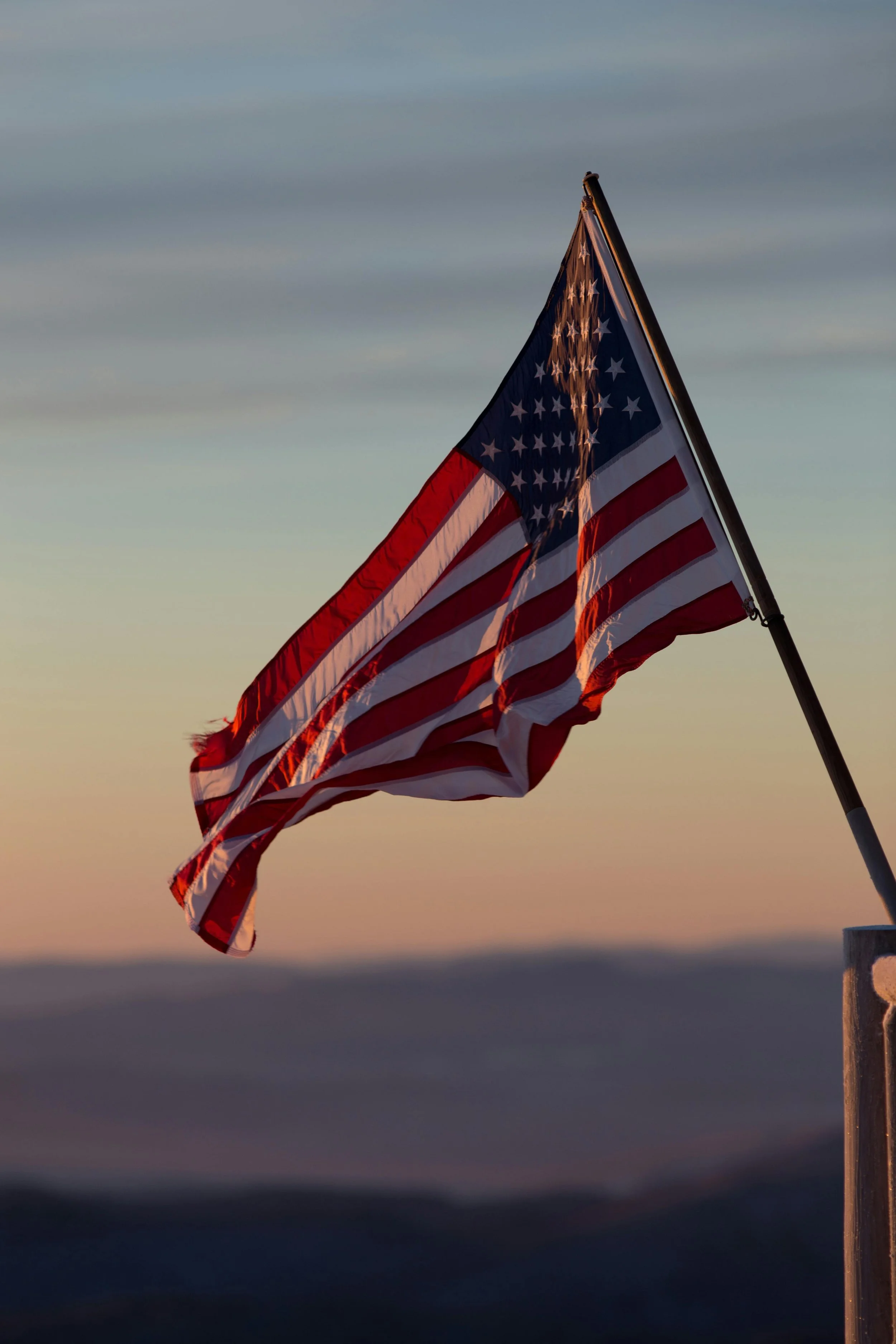
Photo from Pexels by Sawyer Sutton
Angelika Bourke
The Bill of Rights, which contains the first 10 Amendments of the Constitution, states the following:
“Congress shall make no law respecting an establishment of religion, or prohibiting the free exercise thereof; or abridging the freedom of speech or of the press; or the right of the people peaceably to assemble, and to petition the Government for a redress of grievances.”
This amendment, in addition to the nine others, was ratified back on December 15, 1791, with three-fourths of the state legislatures agreeing with the importance in having the ability to believe the things you want to believe and being able to express yourself in the ways you want (though subject to limitations). This, which not only allows for differing ideas and viewpoints to be able to come about, also leads to people mixing and clashing with each other with each of their own ideas of how the world should be. When the Founding Fathers wrote this after freeing themselves from Great Britain through the Declaration of Independence and then going through the many failures that made up the Articles of Confederation, they believed that for a democratic self-government to run, public discussion needs to be allowed. Jefferson, who believed that “every citizen should have an equal right and responsibility to exercise their rights of conscience,” showed this in the Virginia Bill where he claimed, “‘proscribing any citizen as unworthy the public confidence by laying upon him an incapacity of being called to offices of trust and emolument, unless he profess or renounce this or that religious opinion, is depriving him injuriously of those privileges and advantages to which, in common with his fellow citizens, he has a natural right’” (National Constitution Center, 2025).
When I interpret the Constitution, I think this is what the Founding Fathers would have wanted: individuals from unique backgrounds debating their ideas. After all, not everyone who was writing the Constitution and the Bill of Rights agreed. It took nearly two years for the states to ratify the amendments, which was likely filled with lots of debate and compromise, in order to get enough of the states to agree, which is what happens when we talk. When we allow for open and honest discussion, we not only are able to share information that will make each of us better informed, but it also allows for us to see where other people are coming from and, although you may not agree, you are still able to respect each other and try to understand each other.
Despite the Founding Fathers giving us this freedom to freely express our ideas, people have been taking it too far with violent crimes being committed instead of having genuine conversations and disagreements. The 1st Amendment does protect these freedoms of speech, assembly, press, petition and religion, but not when they are causing things like direct harm or violating rights of others. There are also time, place, and manner restrictions of expressive activities, which limit when, where, and how they can occur (although there are specific qualifications these restrictions must have in order for them to be constitutional).
And it’s not just one political party that is a part of the problem.
Both sides of the political spectrum have had representatives who have had violence committed against them: on June 14, 2025, the top Democrat from the Minnesota House of Representatives’ (Melissa Hortman) was shot and killed along with her husband in her home by a masked man dressed up as a police officer. Even more recently, on September 10, 2025, Charlie Kirk, a political activist who typically associated himself with the Conservative Party, was assassinated at Utah Valley University on his American Comeback Tour where he went to universities and debated college students on politics and education (CNN, 2025).
These are not the only examples of the violence among us, but are very recent and show just how prevalent and pertinent it is to society today. Not only this, but it also helps to put into perspective how polarized each side has been and how far we have strayed from the peaceful disagreements we were supposed to be having that the Founding Fathers wrote into law so many decades ago.
It starts with you and me. We need to demand for our right to have our freedom of speech, but stop all of the violence that has been coming with it. Educate yourself. We as a society need to come together now more than ever and be able to have these hard conversations, even when we don’t agree, in order to help teach each other to not only help us now, but help our country in the future.
If we do not learn how to have peaceful disagreements and how not to resort to violence every time someone may have a different opinion, it will not only be the downfall of our government: It will be the downfall of our country.
References:
The Bill of Rights: A Transcription | National Archives
https://www.cnn.com/2025/09/14/us/political-violence-cases-america-charlie-kirk
From Jefferson to Brandeis: The First Amendment, the Declaration, and the Constitution