A Testament to the Power of Cinema: On the Silver Globe
Photo from IMDb.
Violet Rhoades
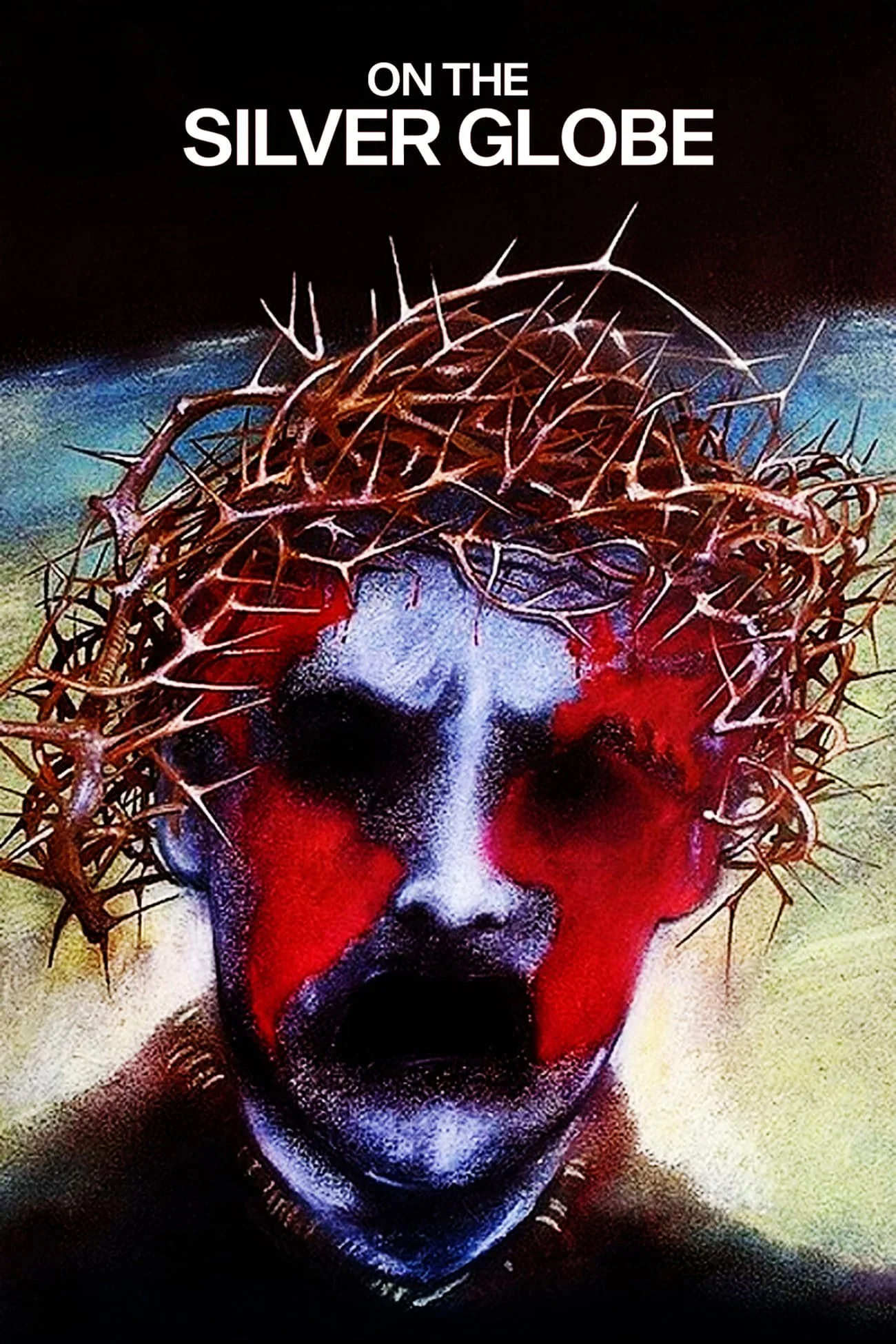
On the Silver Globe, a film by Andrzej Żuławski, is not the type of thing one can simply like. In fact, a majority of the population would probably feel indifferent at best to this film. Most people would likely shut it off within the first 20 minutes, confused and bewildered by the obscure nature and cinematography. But the few people that stick around to see the harrowing extreme long shots and confusing yet brilliant plot? It won’t just be a film they watch and forget. It becomes a part of themーa cornerstone of their film identity.
When I first discovered I had an interest in film, one of my go-to favorites was Donnie Darko because the film felt like something I had never seen before; there weren't clear defined answers to certain plot questions. These gaps weren’t flaws on writer and director Richard Kelly’s part, but instead intentional narrative ambiguity. It allowed me to create theories, scouring the internet and Reddit pages for fellow cinephiles' ideas on what certain shots, or quotes from the movie meant. On the Silver Globe is essentially the same thing on acid.
Żuławski adapted the film based off The Lunar Trilogy, a series of novels written by his great uncle Jerzy Żuławski that follow a group of astronauts who land on the moon with the intention of colonizing it to create their own society, and eventually their own mythology.
Filming began in 1976, when Żuławski began shooting in Poland with obscure costumes unlike anything his peers had seen before and experimental cinematography following frenzied handheld camera work in emotional scenes, putting emphasis on their importance and frequent bird’s-eye views and shots from the ground. While the film was technically sci-fi, that was never Żuławski’s goal. He was a visionary, and knew he had the resources and talent to create something new and chilling. Despite the film being uncomfortable and deeply unnerving at times, it becomes something beautiful and allegorical.
The film may take place on the moon, but I can guarantee that it's like no celestial-based story you have ever heard. There are no epic alien fights or spaceship battles. Instead, despite its obscure nature, the film feels human. After the astronauts in the story crash land on a new planet, over the span of generations they begin to create a new civilization, one with their own rituals, orated myths, and gods that they center their life around. As more and more generations follow, and the pioneer astronauts become distant memories, their tale of survival eventually warps into faith, and eventually fantasy. Rather than people following the original beliefs and stories these astronauts came to the planet with, new generations create their own religion—one which centers around the original colonizers. Yet instead of following the truth of their story, it very quickly turns into imagination.
Centuries later a singular traveler from Earth finds his way onto the planet, and immediately becomes the Messiah for all. While many parts of the original travelers’ stories became warped, one thing stayed clear; they defied all odds by coming from planet Earth and eventually ended up here. While he should have liberated the society, as one of the godly figures their religion was centered around, Żuławski instead flips the narrative. His presence only furthers the tensions of the society, being the very thing that pulls them over the edge and turns their violence and anger into a civil war. Their holy figure is eventually destroyed by the very people that worship him.
The film was nearly complete in 1977, yet mere months before it was done, the Polish Communist authorities shut it down, deeming it as politically subversive for the themes it followed. Those themes were extremely applicable to many countries throughout the world, and they feared that many of the themes (including colonization, rebellion, and extremely flawed utopias) could be seen by many as valid critiques of the Polish government.
The production wasn't simply shut down though. Nearly every single costume that was worn on set was burned to ashes, sets were destroyed, and the film and all of its copies were confiscated and banished. Żuławski was even banned from filmmaking in any capacity in the country of Poland. Finding exile in France, he went on to create and direct films abroad, pushing the bounds of what was typical in the community, yet you could tell he was holding the obscure voice and cinematography of his films back. The Polish government didn't want to simply stop the film from being widespread, they wanted to erase it from ever being created.
Though the film was thought to be entirely lost, in 1988 Poland's political climate began to change and shift from what it was during its early creation. Żuławski was given permission to return to filmmaking in Poland and encouraged to finish his project. The devastating fact was that he couldn't reshoot the missing material, and much of it had been destroyed by the government.
Instead of just giving up entirely and scrapping the entire project, he added very long stretches of voice-over narration explaining what would have been filmed or what was filmed and now lost, over scenic shots of modern Poland. While these bouts can be confusing at times and feel slightly out of place, it's part of what makes the film so unique.
The film runs 166 minutes, or 2 hours and 46 minutes. For a lot of people that’s already too long, but with this film it feels like not enough. Żuławski's original goal when he first started shooting for this film was for it to range anywhere between 4 and 5 hours long. I think even the most intelligent person on this Earth would find this film both overwhelmingly confusing and simultaneously breathtaking and genius. The fact is, anyone can enjoy this film as long as they go in with an open mind when doing so. It becomes a once in a lifetime experience that shows what both cinema and storytelling can be when it breaks the rules that are put in place, something only a true visionary can do.
This film is half masterpiece and half wreckage, yet it comes together to create the most astonishing and memorable film I have ,and likely will, ever see. While I understand it may not be everyone's cup of tea, I truly do believe everyone should try and watch it at least once in their lifetime. Who knows, you may be a part of the small percentage of people whose life it entirely changes. You may become frustrated or confused at times, possibly even bored during certain moments, but if it stays with you, it will change you, and there is nothing in cinema that is more powerful than that.