Admin Corner 2.1 - CTE with Mrs. Goike
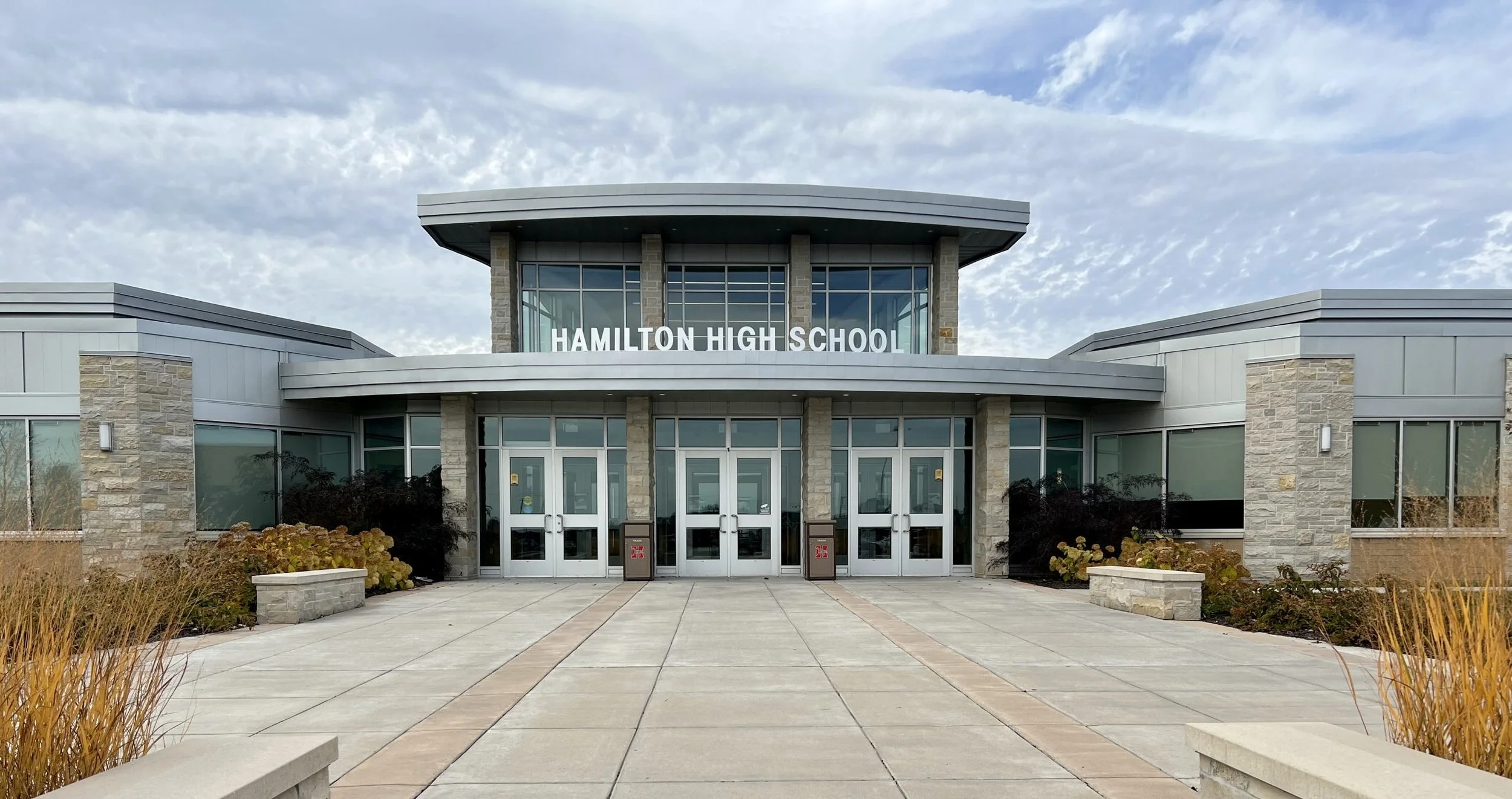
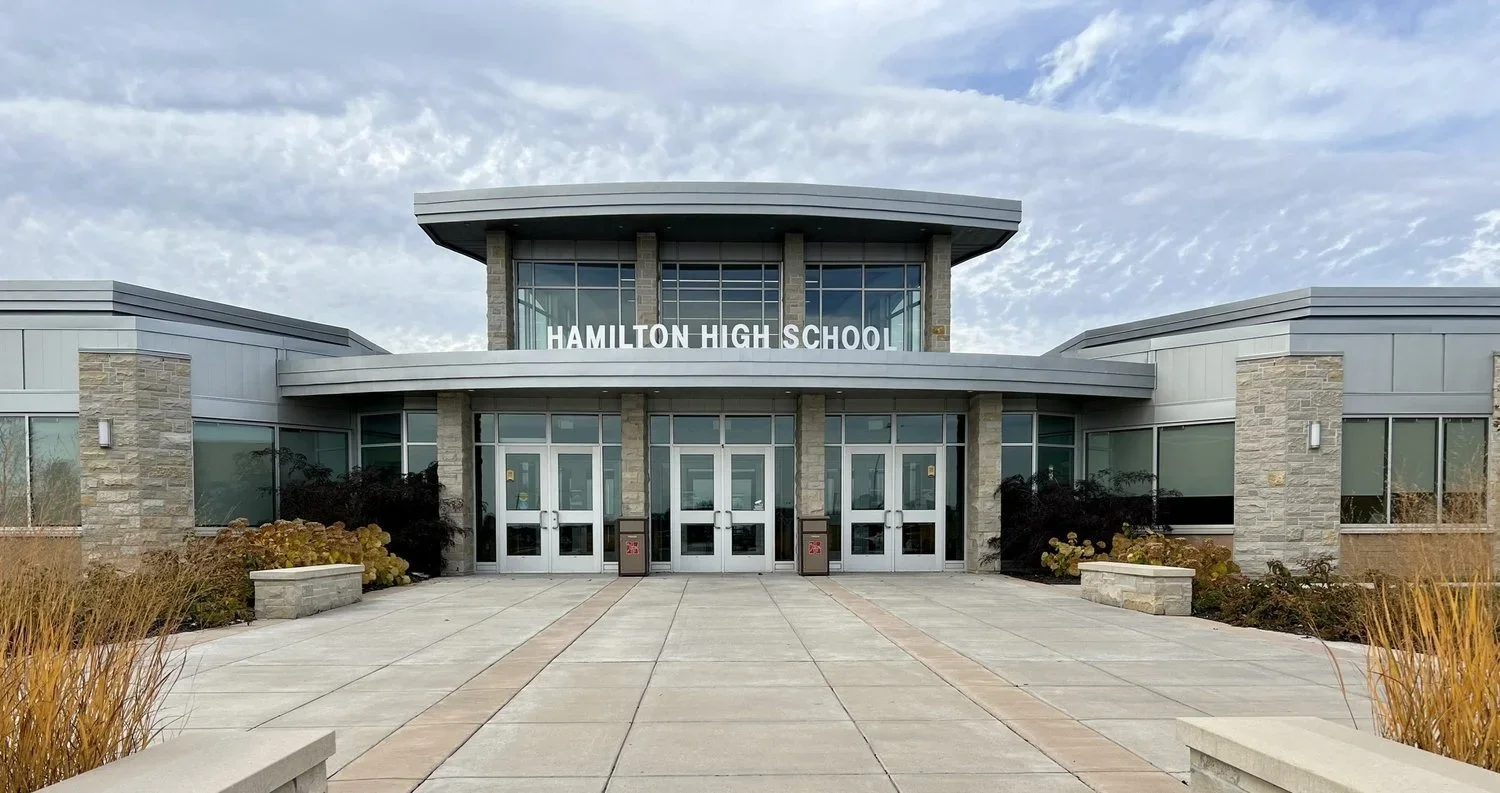
Photo from the Hamilton School District.
Hello again, Hamilton! With the first two months of school behind us, we have begun to fall into our respective routines. While we students have been getting settled with our classes, Mrs. Goike has been starting with planning the classes for the upcoming school year! Next year, Hamilton High School plans to roll out a new section in Career and Technology Education, or CTE for short. Mrs. Goike has been running point on the idea, so I met with her to learn more about this plan.
You may be wondering, “What is CTE?” Well, Mrs. Goike detailed how it was a path to the future. Many classes set you up for success in college courses, but CTE is a bit different, with a greater focus on career learning. These classes set you up for differing routes, such as healthcare, business, construction, and more. These are your FACE, graphics, and woodworking classes, to name a few. Interestingly enough, Mrs. Goike told me that we have the highest number of transcripted courses—courses that give you college credits—in Waukesha County. These courses are graded similarly to AP’s, on a 5 point scale. However, CTE is not exclusively built of classes. Hamilton offers Career and Technical Student Organizations (CTSO) that also align with career pathways. The main four of these CTSO’s offered at Hamilton include DECA, HOSA, Skills USA, and SuperMileage. What Mrs. Goike likes about CTE is how industry-recognized credentials can be gained through classes. They are comparable to certificates/degrees.
Though CTE itself is nothing new, Hamilton will be rolling out a new program to make it more accessible— the Spark program! Elmbrook has a similar program called Launch, which implements more career-based learning with real benefits. Spark will have 3-credit classes with two teachers and multiple mentors from real jobs, offering an almost intern-like position. There will be one math or comm. arts teacher (which gives a comm. arts/math credit), one teacher who is CTE-certified (who will give a credit in the content area), and one mentor per group of kids within the class (who will give an elective credit). The mentors come from outside sources, like construction companies, businesses, and other areas. They will mentor small groups of 3-4 people for 6-8 weeks, solving real company issues in a blended class format, though not flipping between in-school and virtual. Instead, these classes will have a different teacher instructing each day, except if a mentor requests a “work on site” day. After each period, groups and mentors will change.
As for next year, the very first strand will be offered: construction. It will include Ms. Winters as the math teacher and Mr. Mamerow as the CTE-certified teacher. The mentor will serve as the elective instructor, who is yet to be announced. Each group within the class will have a separate instructor, with instructors rotating after each project is over. During that time, the goal is to build a teaching and business strand for the following year. In the next five years, there is a tentative plan to also add healthcare, data science, and potentially political science. The new courses will not replace any current ones. The hope is that it will offer authentic learning. Mrs. Goike said, “Learning is meaningful when you know why you’re learning it.” The goal is that these new classes will open the door to future opportunities through familiarity with workers in the field, an important first step in entering the work force.
In her closing thoughts, Mrs. Goike added, “There are different paths to success.” The goal of the CTE program is to further the paths that can lead to that success. CTE courses allow for career, pathway, and skill exploration not previously available. It can be helpful for both those on the college path and those looking to work out of high school.
Admin Corner 2.0: September Insights