
Banned Books and Black History Month
Photo by Pixabay from Pexels.
Emersen Cwiklinski
Human rights have been fought for in a multitude of scenarios including book bannings and racial inequality, since justice is threatened in both movements. With these two loaded topics falling hand in hand, it only feels right to include a banned book of the month edition for Black History Month. Book bannings are prevalent for a variety of reasons: profanity, political mockery, and the mention of certain minority groups, to name a few. Though these topics are banned on a wide scale, in recent years, books by Black authors that have diverse characters have been facing bannings more than books by White authors (Every Library, 2023). A primary reason for the prevalent bannings of books by Black authors is the rise of anti-critical race theory ideologies. Additionally, books relating to injustices faced in the Black community often are emotionally extensive and intense, and books that highlight the injustices are seen as needing to be banned.
For this month’s banned book feature, there won’t be one, but multiple books by Black authors that are challenged or banned that are mentioned. The books for this month are as follows.
The Color Purple by Alice Walker
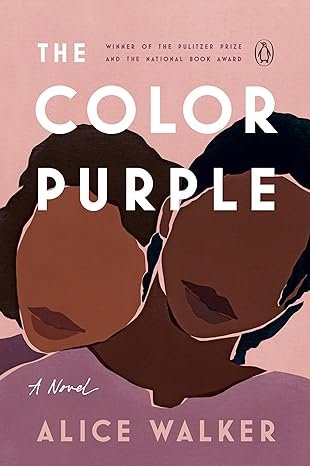
Image from Amazon.
The Color Purple follows the epistolary story of Celie, a young Black girl who lives in a rural town in Georgia. She began to write letters after experiencing familial trauma and dysfunction. Throughout the story, different characters such as parents and siblings, as well as new friends, all have immense impacts on Celie’s. These friendships and relationships are formed and broken, which are uncovered in Celie’s letters. The Color Purple dives into racism, poverty, and faith as Celie grows. Many scenes in The Color Purple are intense and often emotionally packed to make readers think and reflect on injustices within the Black community. Due to these intense depictions, The Color Purple has been banned. Most notably, reasons for banning The Color Purple that have been “justified” are mentions of religious skepticality, homosexuality, rape/incest/sexual scenes, and profanity. These intense, but real situations that occur are pivotal to The Color Purple and banning the story of Celie can silence the voices of others who have gone through similar traumas.
I Know Why The Caged Bird Sings by Maya Angelou
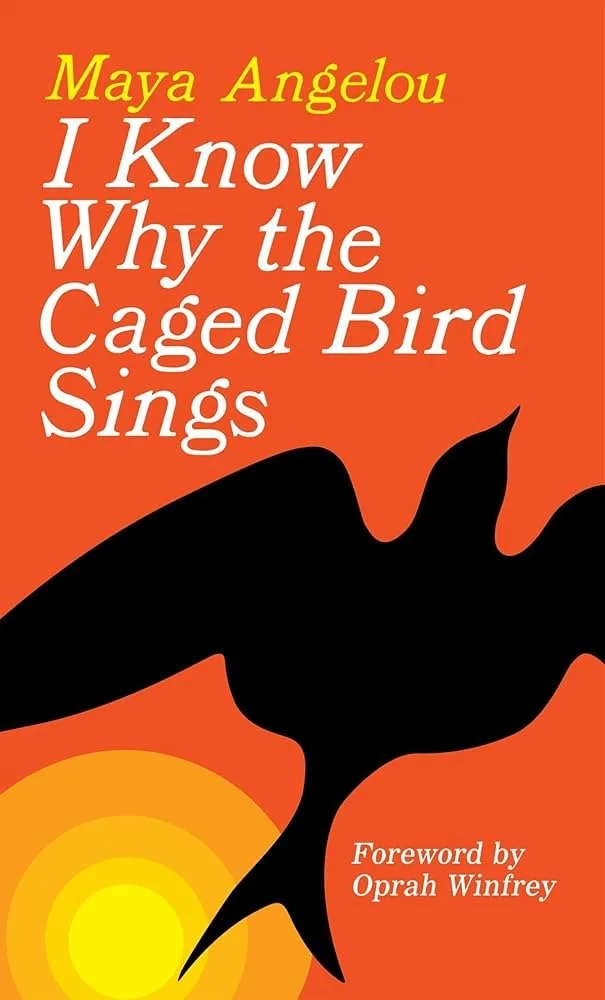
Image from Amazon.
In this vivid memoir, Angelou highlights the progression of her life from being a young child, to developing into her teen years. Angelou faced repeated abuse as a young girl, which results in her going mute for several years. Instead of using her voice to speak on behalf of her experiences, she uses writing to express herself. Along with the abuse she faces, Angelou also faces immense racism and segregation. Her anecdotes highlight injustices faced by the Black community, and with her work from I Know Why The Caged Bird Sings, Angelou has won numerous awards. I Know Why The Caged Bird Sings has won national recognition for its eloquent autobiographical style, as well as strong depiction of racism and injustices. As strong of a piece I Know Why The Caged Bird Sings is, many critics have aimed to ban the memoir due to depictions of sexual abuse, trauma, and “anti-white” rhetoric. However, after reading I Know Why The Caged Bird Sings, it is clear that the memoir aims to uncover racism and honest trauma, rather than imposing divisive rhetoric.
All Boys Aren’t Blue by George M. Johnson
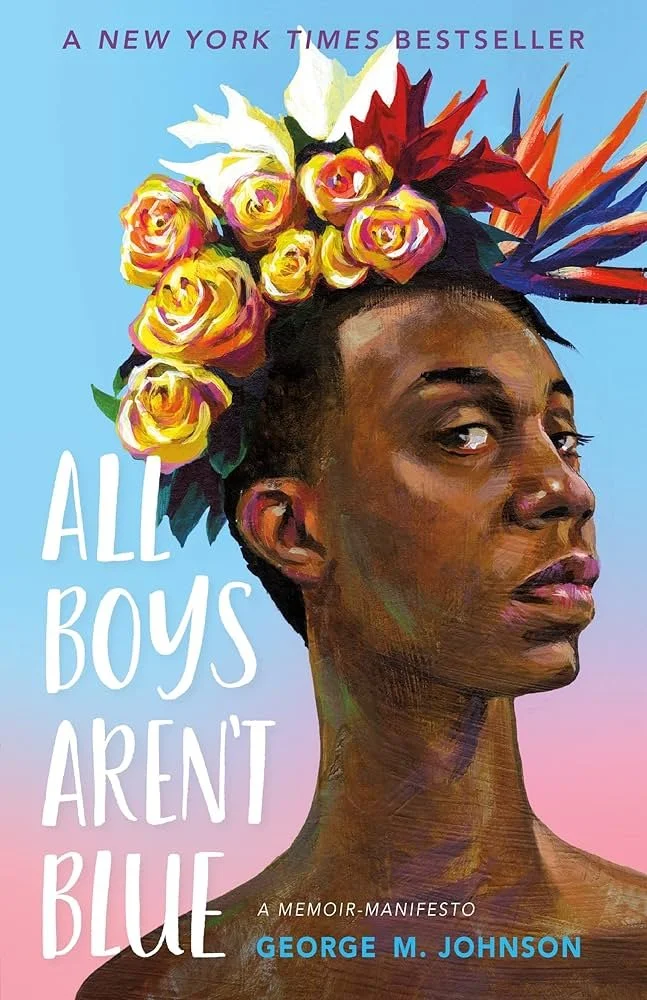
Image from Amazon.
In this memoir, George M. Johnson uncovers conversations about the Black and LGBTQ+ community. Johnson writes about their adolescent life where a multitude of complexities such as family circumstances, sexuality, and racism mesh to make for a challenging upbringing. Johnson grew up surrounded by toxic masculinity, such as the idea that blue is for boys and pink is for girls, securing the title of the book. Gender roles were also apparent in Johnson’s upbringing, and regarding their non-binary/queer identity, Johnson felt torn between gender normalities surrounding them. All Boys Aren’t Blue is currently one of the most prominent books that has faced censorship, consistently falling on banned book lists because of the conversations of LGBTQ+ that many schools deem as inappropriate. However, in a society where stories of the LGBTQ+ community are often silenced, banning books of such conversations furthers an ignorant rhetoric and creates a blatantly close-minded viewpoint of diverse communities.
Beloved by Toni Morrison
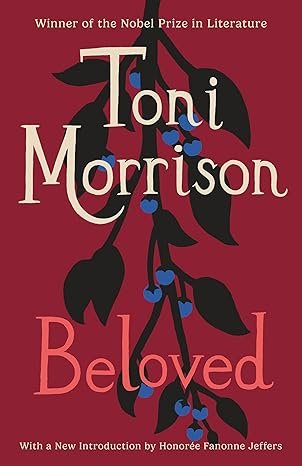
Image from Amazon.
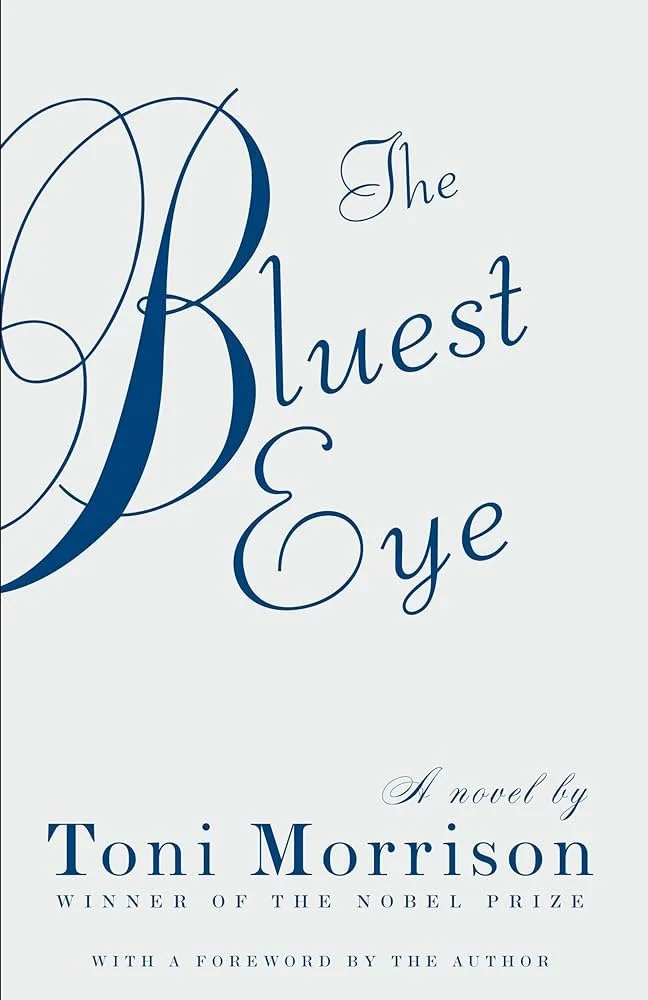
Morrison is a well-known author for her novels about Black stories, such as The Bluest Eye and Sula, along with Beloved. Beloved discusses the psychological aftermath of slavery and racism, and is based on the true story of Margaret Garner. Sethe, the protagonist of Beloved, is a former enslaved woman who had to sacrifice her baby to save her from slavery. Beloved is the spirit that haunts Sethe, seemingly the spirit of Sethe’s late daughter. Sethe must grapple with the loss of her child, and the aftermath of her experiences as a slave. Morrison dives into the traumatic experiences that occur once an enslaved person is liberated, which gives an all-new perspective on the horrors of slavery. Beloved has been banned and challenged for its topics of intense violence relating to slavery, sexual depictions, and sacrilegious themes. Oftentimes, books and anecdotes that discuss slavery are usually about a person who is actively enslaved. Beloved, however, provides real insight that isn’t often heard of–a person’s trauma after being enslaved.
References
Every Library. (2023, 02 07). Book Bannings Targeting Black Authors and Perspectives Are Skyrocketing. https://action.everylibrary.org/book_bannings_targeting_black_authors_and_perspectives_are_skyrocketing