Easy Ways You Can Help the Environment
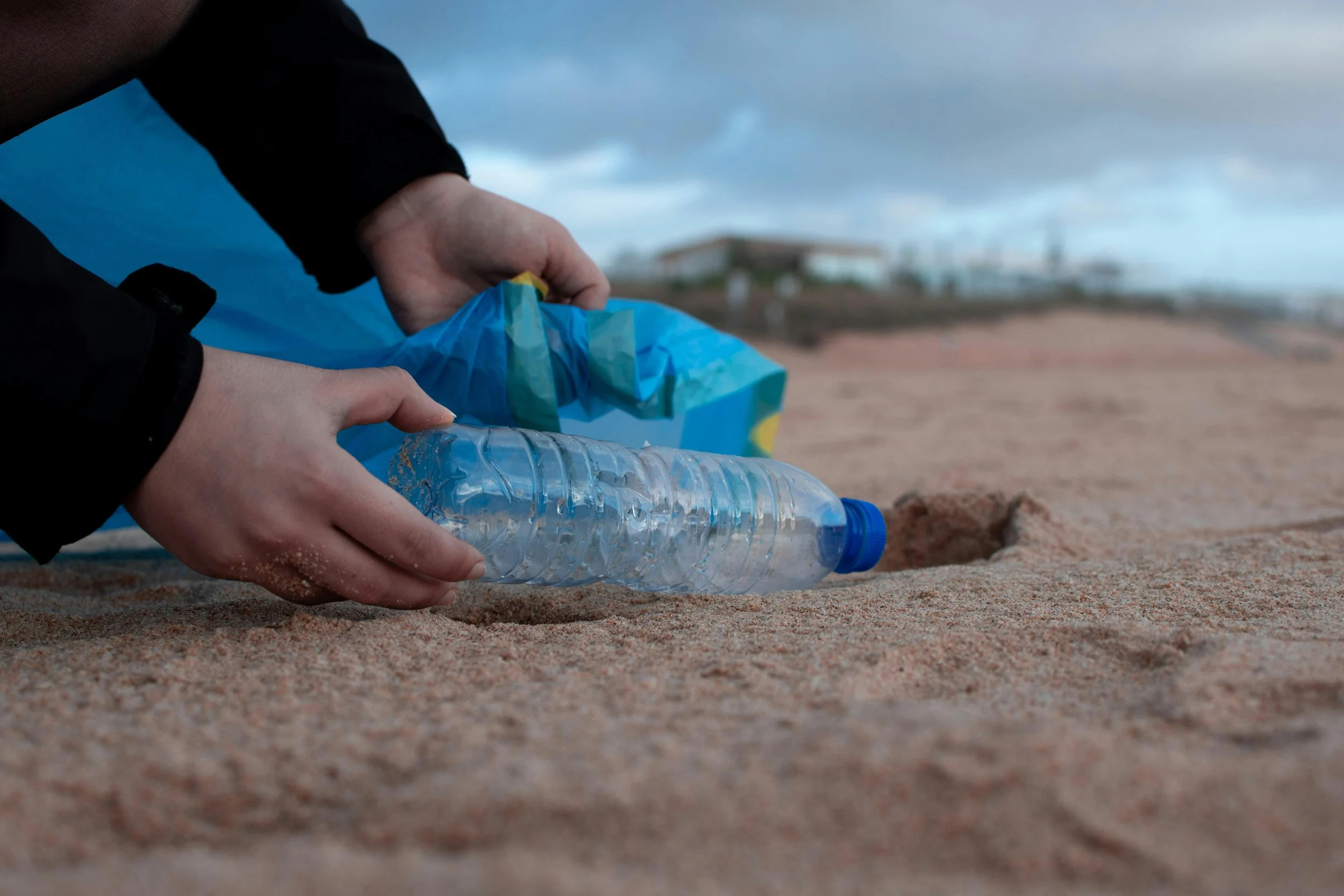
Photo from Arthur Ogleznev via Pexels.
Lari Li
2024 was the hottest year on record, with 2025 being projected to be the second. According to the World Meteorological Organization, Earth’s average temperature last year was significantly higher than pre-industrial and 20th-century averages.
Human activities are the greatest factor in these soaring temperatures. If you believe that what the environment is undergoing doesn’t affect you, think again. Extreme weather can cost the globe $145 billion dollars in insured losses. If we fail to adapt to climate change by 2050, the global GDP is projected to drop 4.4%.
As the greatest contributor to climate change, making conscious day-to-day decisions is the first step in offsetting your impact on the environment.
Here are some easy, actionable, marginal steps YOU can take to help the Earth and your community.
1. Throw Less Food Away
When you throw food away, the resources that went into packaging and transporting that food goes to waste. Food rot also produces methane, an extremely potent greenhouse gas.
The average American’s yearly carbon footprint is 16,000 kilograms, four times greater than the global average of 4,000 kilograms. Wasting less food can reduce your carbon footprint by up to 300 kilograms of CO2 every year.
2. Spend Responsibly
As the one with the money, you’re the boss. It’s up to you to decide which goods and services to support. Make conscious decisions, choosing companies that are committed to being sustainable.
3. Carpool & Drive Safe
When you carpool, you’re saving fuel, ensuring less traffic, and improving air quality. Carpooling reduces the average household’s carbon footprint by 900 kilograms a year.
Driving the speed limit is important too. You’re keeping yourself, your friends, and your family safe. Fast speeds force an engine to work harder, increasing aerodynamic drag, which in turn decreases your fuel efficiency.
Pollutants that enter the air from burning fuel include:
Carbon monoxide (CO): a toxic, unscented, invisible gas that is lethal. It causes many health problems and contributes to the formation of ground-level ozone.
Carbon dioxide (CO2): a major greenhouse gas that contributes to climate change.
Nitrogen oxides (NOx): pollutants that are associated with respiratory issues that contribute to creating smog and ozone.
Particulate matter (PM): fine particles that cause respiratory and cardiovascular problems.
When you make conscious driving decisions, you’re saving your money, your health, and the environment.
4. Produce Is Your Best Friend
Plant-based foods emit less greenhouse gases during production, since they require less energy, land, and water.
5. Keep Your Brain
Cut down on the AI. A recent MIT study conducted brain scans on Chat-GPT users and non Chat-GPT users. The study showed a 47% drop in neural engagement, weakened memory, and weaker cognitive performance over time.
As for the environment, AI’s annual water consumption is projected to reach 1.2 trillion liters before 2030. Water is our scarcest natural resource. Out of 3% of Earth’s freshwater, 2.5% is unavailable for use, as it’s locked away in glaciers.
According to Forbes, “...some 1.1 billion people worldwide lack access to water, and a total of 2.7 billion find water scarce for at least one month of the year. Inadequate sanitation is also a problem for 2.4 billion people—they are exposed to diseases such as cholera and typhoid fever and other water-borne illnesses. Two million people, mostly children, die each year from diarrheal diseases alone.”
AI uses approximately 1.5 billion liters of water per day. That’s enough water to support 10 million people.
Do you really want to lose your brain and your planet? Choosing one is choosing both.
6. Housekeeping
Turn off unused lights. Go for the highest rating of Energy Star home appliances. Pick up and throw away trash even if it isn’t yours. Buy reusable bags from grocery stores. Make cleaning substitutions like soap, water, bleach, and vinegar. Compost. Thrift. Use less Saran wrap and aluminum foil. Live in places with a high walkability score. Be conscious of your daily decisions. Don’t be a robot.
7. Learn, Learn, Learn!
Do your own research on the environmental impacts of humans and corporations. Make goals and actionable steps for yourself. Educate others! Share this article! Information spreads exponentially; use that to your advantage.
A cleaner, safer, healthier planet and future starts with you.
Sources
50+ essential sustainability statistics for 2025 and beyond | Greenplaces
15 Biggest Environmental Problems of 2025 | Earth.Org
AI's Challenging Waters | Civil & Environmental Engineering | Illinois