
Overconsumption In America
Photo from Tara Winstead via Pexels
Carter Zeiger
In the late 1920’s, Americans poured money into the stock market, clinging on to dreams of wealth and fortune. The problem was the money they spent was borrowed. When the market crashed, all of the money that the banks lent was gone, and people found themselves in massive debt. This started the Great Depression, one of the largest economic recessions in American history. Though the Great Depression was decades ago, the spending behaviors of the time are still present in the modern day.
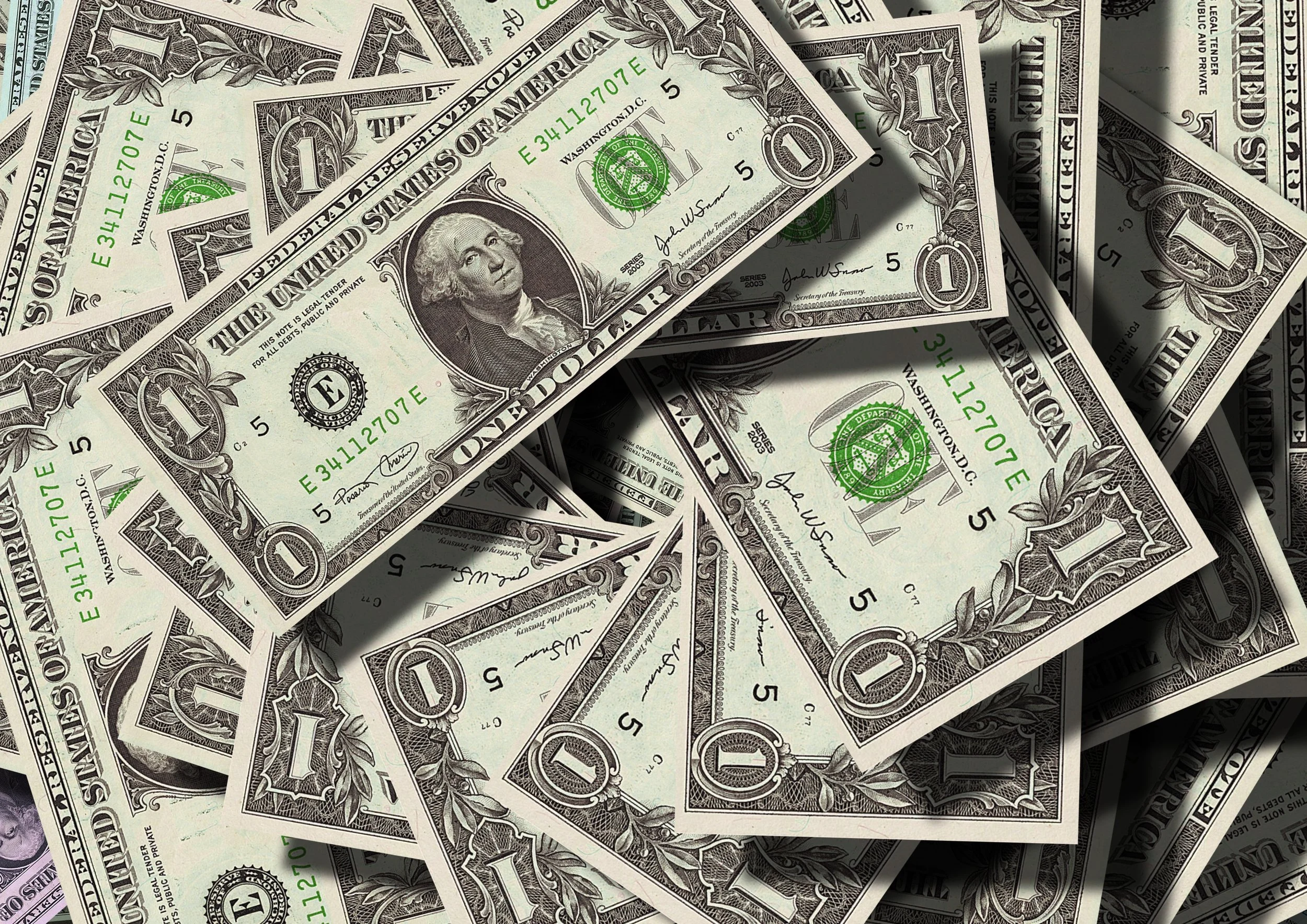
It is no secret that the American economy may be in trouble. Ever since the COVID-19 pandemic, income inequality, inflation, unemployment, and general concern has skyrocketed. Generation Z and Millennials often find themselves in compromising situations, unable to enjoy affordable housing and find stable sources of income like their parents and grandparents could. According to a report from Bankrate, consumer prices have increased by 24.3% since the pandemic, meaning that Americans are spending $1,243 for goods that cost only $1,000 dollars in a pre-COVID economy. Inflation has also skyrocketed, hovering around 1-2 percentage points higher than the 2% target for this year. To combat this, the Federal Reserve has increased borrowing costs from near zero to a 25-year peak of 4.5%. Finally, according to debt.org, the American household debt has also peaked at a record high, 18.2 trillion this year.
With the expense of everyday life, people are often driven to make irresponsible decisions regarding money—largely due to an expanding consumer culture fed by social media, influencers and advertising, as well as a societal obsession with convenience. Things like cell phones, keychains, and cups are often pushed onto young people by social media, and make them feel as though these things are worthwhile, because it distracts them from the financial state of the future.
We can watch any movie we want through streaming services, and we no longer have to leave the house to eat. Everything we could ever need is at our fingertips, and we cannot afford any of it, which is why lots of young people buy things on credit. But lack of regulation for credit companies allows predatory lenders to entice young people to overspend using high-interest credit cards, putting them in debt at a young age.
It’s not just old credit card companies that chase after young people’s money. Since the pandemic new “Buy now, pay later” (BNPL) services have entered the digital marketplace. Groups like Klarna lend money for people to buy food from delivery services, like Doordash. Though the idea of having the ability to buy whatever you want when you want and pay when you are ready may be enticing to young people, the increase in BNPL use has negative connotations for the health of the United States’s economy. Since COVID, the use of BNPLs has skyrocketed—even in spite of the aforementioned reduction of savings for many young Americans.
But before you blame young adults for irresponsible spending problems, it is important to put yourself in their shoes. The average American spends a far larger sum of money on everyday goods, (especially in comparison to previous generations) while taking on a larger amount of debt. This debt grows with high housing prices, medical fees, and sometimes college tuition. Meanwhile, advertisements promote seemingly easy, short term solutions to these problems, giving people ways to pay for things they might not be able to afford otherwise—a dangerously enticing offer.