Life Imitates Art: The Gucci Family
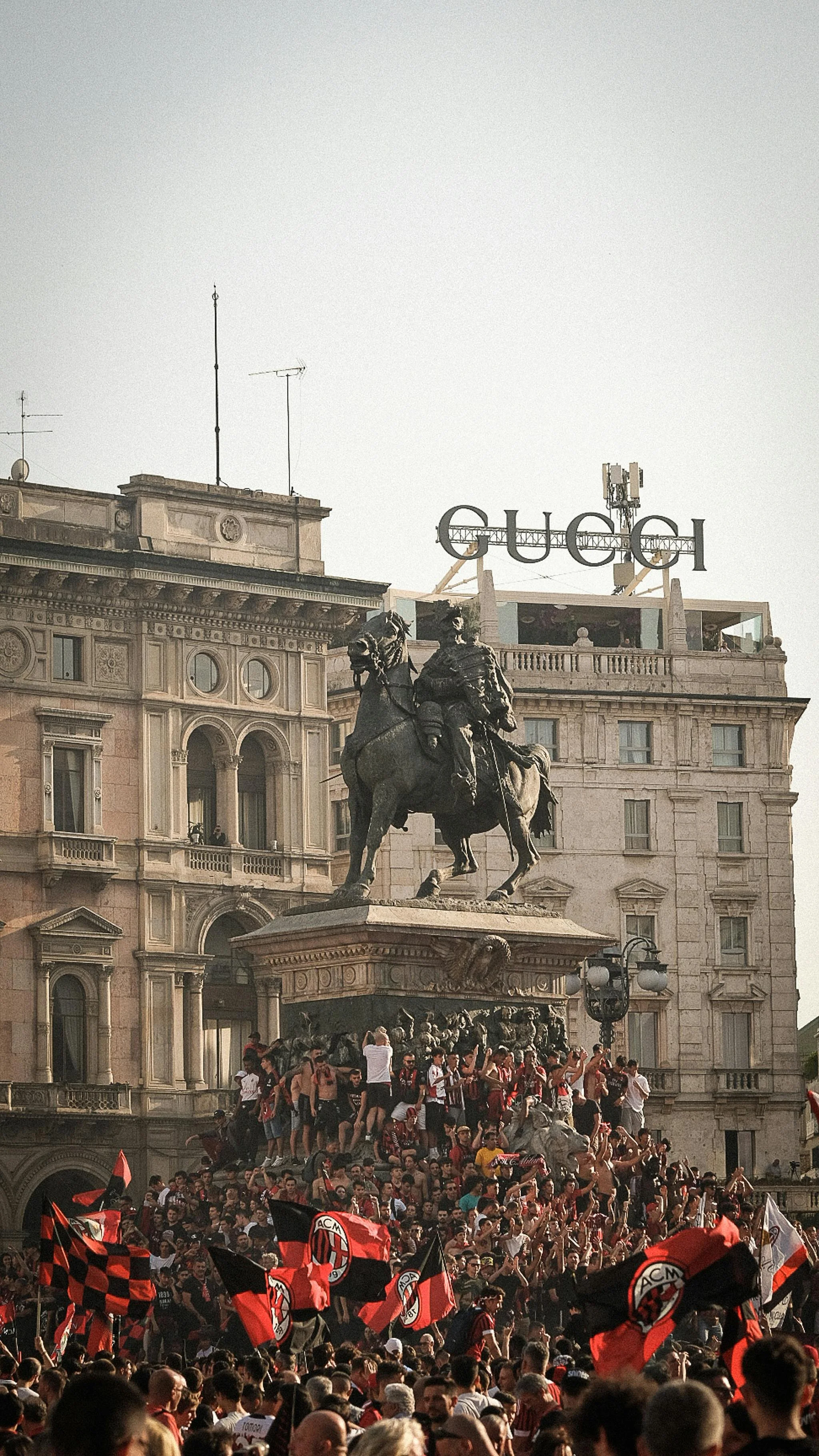
Photo by Luca Luperto via Pexels
Jack McCord
From over the top neon bags, to chic stylish brown and black shoes, the household name of Gucci has become a brand defined by one word: Luxury. Since its inception in 1921, no other brand has impacted the fashion industry like Gucci.
Though its history started with rather humble leather goods from the mind of Guccio Gucci, they were inspired from the start by the luxuries owned only by the wealthiest of people. These humble handbags, however, were transformed into a fashion empire by Guccio’s four sons— Aldo, Vasco, Rodolfo, and Ugo (his adopted stepson).
World War Two saw a major rebranding for the Gucci name. Shortages of leather goods saw the incorporation of Japanese bamboo into bags, and new pigskin bags. In this period, Rodolfo Gucci opened his own storefront in 1951, located in Milan. Not long after, his brother Aldo opened a store in New York. In 1961, Gucci opened two more stores, one in London and the other in Florida. The brand was further popularized by Jaqueline Kennedy’s illustrious fashion history, which entailed carrying her very own Gucci purse.
January 2, 1953 marked the passing of a fashion titan. Guccio Gucci left his Empire to his 4 sons alone, though Ugo was barred from having any say in the inner workings of Gucci.
As the family grew its presence worldwide, their feuds grew with. The 80’s were a particularly troublesome time for the family. Paolo Gucci, the son of Aldo Gucci, wanting to build a name for himself attempted to make a spin-off line, using the Gucci name. Rather than support from his family, Paolo was met with the warm welcome of lawsuits. This particular feud was heightened in 1982, when Paolo filed a 13.3 million dollar lawsuit against his family for allegedly attacking him during a board meeting. In an attempt to end or lessen some of the family problem and get the Gucci name back in good standings, Aldo, Rodolfo, and Vasco opted to take the brand public, with Rodolfo Gucci as director.
In 1983, Rodolfo Gucci passed away, leaving his stake in the company, as well as the role of director, to the golden boy, his only son, Maurizio Gucci. Maurizio saw the revival of the Gucci brand under his direction. He sought the quality that the brand once had, rather than cheap mass produced ready to wear, that Aldo Gucci had been producing. To achieve this, however, he needed to take legal actions to push his uncle out of the company.
Though not entirely according to plan, in 1986, Aldo pleaded guilty to tax evasion. Though Aldo was gone, Maurizio faced his own share of legal scrutiny as he too was accused of tax evasion and forging his fathers signature on legal documents. To avoid imprisonment, he left for Switzerland and was later acquitted of his crimes. As his family feuds grew and pressures to revitalize the family name increased, Maurizio pushed to be the sole creative influence on the brand. In 1989, with the help of the investment bank Investcorp, he was able to acquire the majority share of the brand name. That very year, Dawn Mello was brought in to relaunch the brand. With her came Tom Ford, a name synonymous with scandalous fashion and American playboy designs. Under Ford's design as creative director, the brand once again was brought to the limelight of the fashion industry with the luxurious identity it once had, without the mess of family dynamics.
All was looking good for the brand, until 1993, when Maurizio made a decision that forever changed the course of the brand. He sold the remaining shares of the Gucci brand to Investcorp. His ex-wife, Patrizia Reggiani, was enraged by the idea of the family name going public. That coupled with her resentment around their divorce led her to radical actions. Patrizia, with the help of her personal psychic, Pina Auriemma, as well as the two hitmen Benedetto Ceraulo and Ivano Savioni, had Maurizio Gucci killed outside of his Milan office in 1995. The Gucci name had come to an end. For her crime, Patrizia was charged with 29 years of prison, though she only served 18.
Gucci today is owned by the fashion conglomerate Kering, under the creative direction of Demna, known for his artistic director role for the brand Balenciaga. Gucci, though not the kingpin of luxury anymore, bowing to more notable and expensive brands such as Louis Vuitton and LVMH French goods, still holds status as a major house of fashion. Many notable cultures have come from the brand, from movies, to songs, and fashion shows alike, cementing Gucci into the history of fashion.
References
Archer, H. (2023, August 9th). Who Is Maurizio Gucci? The Story Behind the Luxury House’s Late Heir. Editorialist. https://editorialist.com/lifestyle/who-is-maurizio-gucci/
BBC Audio | Witness History | The murder of Maurizio Gucci. (n.d.). BBC. Retrieved September 29, 2025, from https://www.bbc.com/audio/play/w3ct5yqt
Demna was appointed Artistic Director of Gucci. (2025, March 13). Kering. Retrieved September 29, 2025, from https://www.kering.com/en/news/demna-appointed-artistic-director-of-gucci/
Martin, R. (2025, August 25). Gucci | History, Fashion, Logo, & Facts. Britannica. Retrieved September 29, 2025, from https://www.britannica.com/topic/Gucci