Understanding Abuse in Friendships
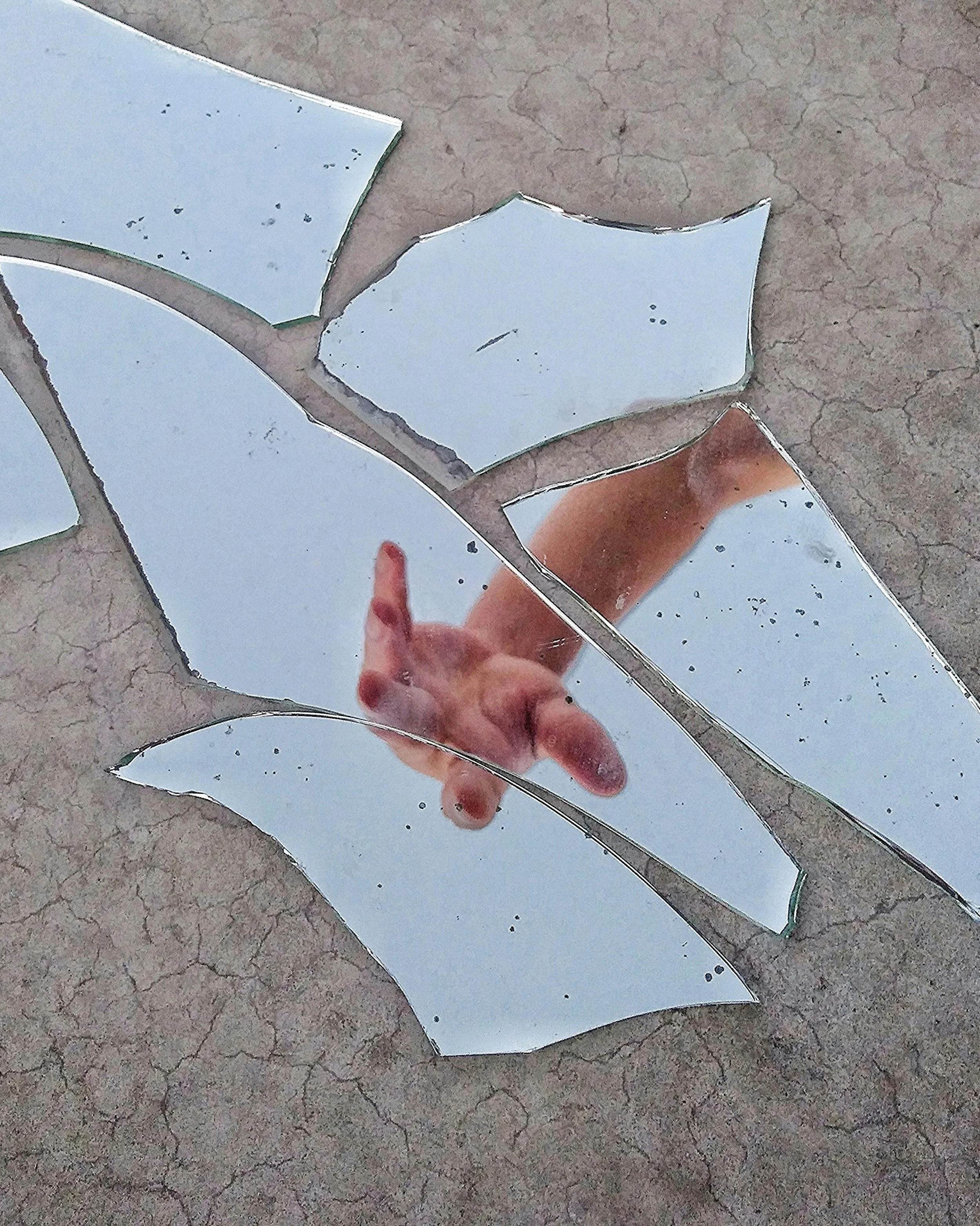
Photo by Thiago Matos from Pexels.
Allie Kabara
This is not written to villainize anyone within any type of relationship, but to create awareness of what abuse can look like. I will be mentioning my own experiences and how I made the decision to ask for help. This entails receiving threats of suicide, harm/verbal abuse, isolation, worry/depression, and how I got help within these situations.
Abuse in romantic relationships is similar to in platonic friendships, both equally hard to recognize at first. I always thought that if you were in these situations, you would realize you were and just leave the abuser. I was incredibly wrong. You care about this person; you can’t just get up and leave them. Nobody tells you how hard it is for you to get your best friend help when they are begging to not be seen. No one tells you how hard it is for your friends to tell you they are going to kill themselves. No one tells you how hard it is to hold the everlasting pressure of choosing to continue supporting a friend alone or if finding support could end their life early. No one tells you about how incredibly slow, yet fast abuse happens—or maybe they do and we choose not to listen. No one prepared me to learn how many over the counter drugs didn’t kill my friends. Or the fear of being told that if I left, it would be my fault they weren’t alive the next day. No one prepared me to live every single minute for someone else’s life. It wasn’t normal for me to be scared of making eye contact with my friends in fear that another threat would be placed onto me. It was new for all of my activities that I enjoyed to be belittled until my own care for them subsided. It was beaten into me that I wasn’t good enough, wasn’t strong enough, and was too emotional to achieve what I wanted to do with my life. I was not prepared for the pain that would come with doing the right thing of getting an adult involved in tough friendships.
All this to say, I would do it a thousand times over again if it meant my friend was alive and receiving more support that I could give.
Freshman year I made a promise to myself that if people harm me, I wouldn’t be affiliated with them. The reasoning behind this was due to some tougher friendships that year. I started slowly working my way out of these friendships that were one-sided and uncomfortable. It started online, with me slowly breaking contact first, not responding. I saw that they only used me when no one else was there to fulfill their needs. I thought that this would be my biggest issue with friends, but I was so incredibly wrong.
My third year of high school hit hard. It felt like when you close your eyes on a playground swing and your brain prepares for the impact against your feet when swinging forward. But it also felt like how a plant starts green, then the sun slowly takes from the plant’s color until it’s burnt and bruised. I wasn’t sure how to give my best friend support without pushing myself to utter exhaustion in the process.
Abuse starts off as any friendship would: laughs, jokes, fun, texts. It’s normal—nothing out of the ordinary. Friendships are amazing and validating, finally having someone understand you fully. Until small cracks start to form—arguments, miscommunications in texts, light insults, normal bickering. I don’t remember the exact moment when things changed, but the next thing I know I was being isolated. I started to be untrusting, but I didn’t want to worry my other friends, so I pretended to be just fine. I believed adults wouldn’t understand so there was no point in me asking for help. I was so tired that I didn’t care what would happen anyway. We had fun times. So what if they got upset, threw things, attacked my self esteem? A friend is present, there for highs and lows, and I had no problem helping in hardships and support.
However, small things did bug me, like when they would take my food at lunch without asking. I wouldn’t want to eat after, so I ended up finding more unhealthy foods to eat. Things slowly got more intense over time, like getting upset when I’d talk to other people or stating our personalities were too different. They started talking bad about others to me, but then hanging out with them after. I had expressed my intention for college was to study for social work. This was later used in the one sided arguments, stating how I was too nice to people, letting them control my life, and that I would not succeed within my career. I believed this and gave up on talking about my aspirations as well as going to my clubs.
When I asked for a small break socially, I would receive intense threats of self-harm entailing that they were going to hurt themselves because of me. This was one of the many threats placed onto me over time. It was worse over text because I couldn’t reach them or know if they would really do something harmful. Within each situation I would have a constant stream of texts from 40 to 50 messages at a time. This included saying I did something wrong, I like my other friends more than them, self deprecating comments, saying they don’t have any friends other than me, and then saying that they have no one. I knew they were in pain and they didn’t really mean it, but needing to avoid things I cared about made me feel like I had finally gotten their approval. They acted normal in person after screaming for help over text, so I was confused. They were grasping at straws to make me stay, and it worked. After every single threat I forgave them.
Eventually physical pain within my body became unbearable due to the stress alone, with headaches and stomach pain. My bloodwork was all normal so I didn’t know what was going on. Staying up late staring at my phone just in case I needed to help in emergencies became a nightly thing. It was just a part of the routine, pushing my own struggles aside to keep my friends alive. It wasn’t too bad to stay up, because I would have horrible nightmares every night. Either because of stress or lack of sleep, I started to hallucinate and hear/see things. I was quite literally panicked from one morning till the next, on edge 24/7. This was the build up and I didn’t even notice it. Multiple times, my friends saw social, mood, and personality changes during these situations. They asked why I was so closed off, always needing to be on my phone. They had to physically sit down in front of me and take my phone away for me to tell them what had been happening. I felt crazy at that point, worrying every single second if it would be my fault if my friend wasn’t there the next day. I finally told the friend what was happening, stating that I would set a boundary down about the threats moving forward. It took a long time for me to finally tell my other friends what was going on, and I had no intention of getting an adult involved. I know how it feels so much more comfortable to hide within the struggle and not want to be seen, so I didn’t want to place another burden onto my friend who was struggling.
The threats reached to a point that I was shutting down. Continuously I would ask them to reach out for help within the student services, 988, and parents, or even if I could do it for them. They refused and I understood, but I decided I wasn’t going to let the threats continue just because they were struggling. I wasn’t sure what to do moving forward, so another friend walked me to the school’s counseling office to talk about how concerned I was. I don’t know what happened after, but the school did their legal duties to support. It was hard for me to even say what had been happening and to even mention it out loud. After mentioning it to an adult, I received the same stream of deprecating texts until I started powering down my phone so I would not have to read them. For two years every single day, I thought about the whole situation—punishing myself for not being able to help or not being able to suck it up enough to be there for my friends. Yes, it was one of the hardest decisions I had to make, but it also ensured my mental wellbeing and some of my sanity that my friend could get professional support.
It’s one thing if someone’s having a tough day, but how do you reach out for help if someone is trusting of you to not ask for more support? What if asking for support creates more harm than good? Supporting someone alone might be beyond your own wellbeing. When friends trust you for your support, it can then turn into your absolute attention. For me, I care a lot for the people in my life, so in these situations it hurt to know that I couldn’t do anything anymore to help. I realized I would rather have my friend alive and mad that I reached out for help, than have them continuously, unintentionally hurting themselves, as well as me. I could live with not being friends with them anymore because of the anger of reaching out for help, but I couldn’t live with the shame of not saying anything until it’s too late. I care too much about them to have let that happen.
How to Get Help
Ultimately, it is hard to reach out for support for yourself and your friend. The debate on whether or not to ask for more support can turn your life into just worrying about the other person, not caring how the stress is affecting you because of the bond. A person who inflicts harm tends to not be healed from their own pain and sometimes doesn't even know how or what they are doing to harm someone else. “Stats have shown that for 8 percent of people who experience verbal or physical bullying, the aggressor usually turns out to be a close friend” (Scriver, 2019). Understanding this shows the importance of having boundaries within friendships and knowing what is healthy.
Depending on each situation’s severity, there are different ways of getting out of an abusive relationship. Clear communication within the relationship is important. Straightforward conversation of topics that are causing harm should be addressed if it is safe to do so. Harmful comments, threats, or extreme problems, like threatening suicide, are signs of controlment and isolation. “Verbal abuse manifests through various harmful behaviors, such as constant insults, belittling comments, and derogatory remarks, meant to undermine one’s confidence. It includes tactics like the silent treatment, manipulative threats, and efforts to isolate the victim from friends and family. It can also involve indirect, non-verbal aggression, such as slamming doors, throwing objects, and damaging personal belongings to intimidate” (Daino, 2022). People want others to listen to them, but knowing what the other person can handle is a necessary boundary. Friendships are a two way street; you should be free to express hardships and ask for support with no judgment. When people know their own limits on what they can help others with, it helps maintain a healthy relationship.
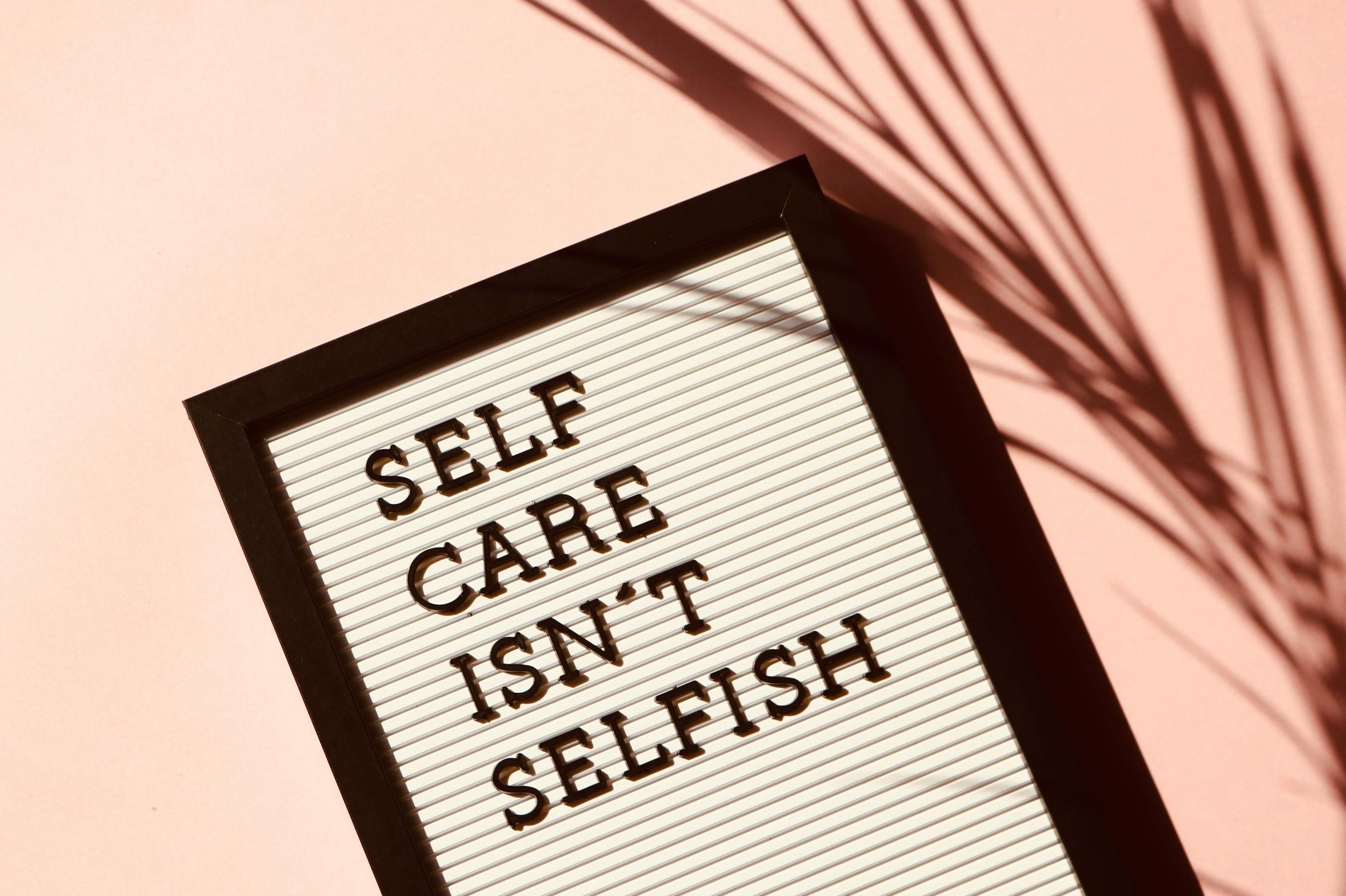
Taking time for yourself and setting a boundary is not selfish—it is needed. This is not to say that you should ignore someone when they express larger issues, but rather that you should not forget your own health in the process. If something mentioned is harming someone, make sure that they know where to find further support. Someone supporting another person might not be in the right mental space or have the knowledge to be able to help alone, so expressing that they can reach out for more help is essential. Direct people in need to resources like the counselors at school, mental health programs, the 988 number for suicide, the sexual assault hotline number 1-800-656-4673/website, rainn.org (which has resources and other numbers for related issues), parents or other adults is a great way to show that there is are systems in place and qualified people willing to help. Even walking someone to a teacher’s room or the school counselors is a way that can help make the topic of getting support feel less overwhelming.
When things escalate into someone pushing you away from things that bring you joy, like friends, family, or clubs, just to use you to make themselves happy is when surrounding yourself with support is important. Once someone is isolated, it gets harder to see the support system that the abuser is trying to avoid. ”If you’ve seen signs of verbal abuse in your life, try to set firm boundaries with your abuser. Make it clear that the way you’re being treated is unacceptable and that you won’t tolerate it anymore. If possible, try spending less time around the person or cutting them out of your life completely” (Daino, 2022).
Overall, it depends on the situation to know exactly what to do. There is support for every person, no matter what the reason is. It is hard to reach out for help, but it is necessary. Having someone who knows what you are going through will create a sense of safety within abuse and will be an opportunity for creating a better life where it is needed. If you or someone you know is struggling, please reach out; people do care.
Asking for help is not weakness; it is a sign of strength because of how hard it is to do. I thought I was hiding my suffering well, but I’m grateful people noticed and cared enough to help. If they hadn’t, I would've been completely isolated and suffered for much longer. My heart goes out to both sides in these types of situations because we all are humans. People make mistakes so I can forgive and understand, but I will never forget the experiences I have gone through. Even if someone has hurt me, I hope that everyone can heal from their struggles in their own time. Live one day at a time, for yourself, and not someone else.
References
Christ, C., de Waal, M. M., Dekker, J. J. M., van Kuijk, I., van Schaik, D. J. F., Kikkert, M. J., … Messman-Moore, T. L. (2019). Linking childhood emotional abuse and depressive symptoms: The role of emotion dysregulation and interpersonal problems. PLoS ONE, 14(2), e0211882. https://doi.org/10.1371/journal.pone.0211882
Daino, J. E. (2022, October 3). Verbal Abuse: Examples, Signs, and Effects. Retrieved from Talkspace website: https://www.talkspace.com/blog/verbal-abuse/
Scriver, A. (2019, December 10). Abusive Friendships Are Real. Here’s How to Recognize You’re in One - Thrive Global. Retrieved February 12, 2026, from Thrive Global website: https://community.thriveglobal.com/abusive-friendships-how-to-recognize-them/
Welcome To Zscaler Directory Authentication. (2025). Retrieved from Rainn.org website: https://rainn.org/help-and-healing/hotline/