More Than a Puzzle Piece: Understanding Autism Awareness Month
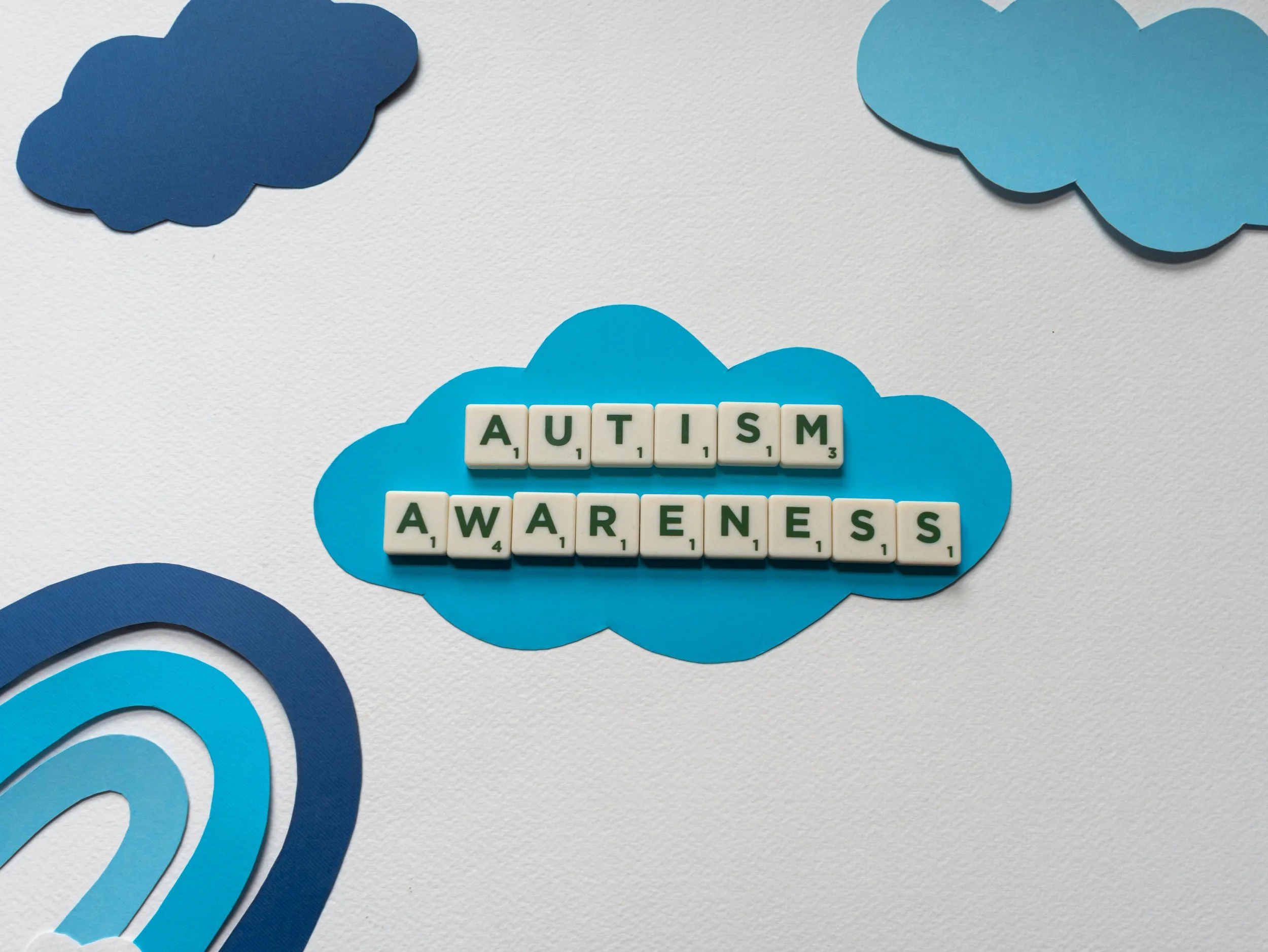
Photo by Polina from Pexels.
Kinjal Bhardwaj
"Autism isn't a tragedy. Ignorance of autism is a tragedy." This quote stuck with me the first time I read it, because I think a lot of people, myself included, at one point do not really understand what autism actually is.
Every April, the United States recognizes National Autism Awareness Month. It's a time meant to educate people about autism spectrum disorder (ASD) and to show support for the millions of individuals and families it affects. But honestly, for a lot of students my age, it might just feel like another thing that gets announced over the morning announcements and then forgotten. I want to explain why it actually matters.
What is autism?
Autism spectrum disorder is a neurological condition that affects how a person communicates, learns, and experiences the world around them. The word "spectrum" is key. Autism looks different in every single person who has it. Some autistic people are nonspeaking. Others are incredibly gifted in areas like math, music, or memory. Most are just regular people navigating a world that wasn't always designed with them in mind.
According to the CDC, about 1 in 36 children in the United States is diagnosed with ASD. That means there's a good chance you already know someone on the spectrum—a classmate, a sibling, a neighbor—even if you don't realize it.
Why awareness still matters
A lot of autistic people face challenges that have nothing to do with their diagnosis itself; rather, they face challenges because of how other people treat them. Bullying, social exclusion, and misunderstanding are real problems, especially in schools. When we take the time to actually learn about autism instead of making assumptions, we become better classmates, friends, and people.
There's also been a shift in recent years toward the idea of autism acceptance, not just awareness. Awareness means knowing something exists. Acceptance means actually valuing autistic people for who they are, not in spite of how their brains work, but including how their brains work. That distinction feels important to me.
What can we actually do?
Awareness Month isn't just for parents or doctors. There are real things students can do. You can educate yourself by watching videos made by autistic creators, reading their blogs, and listening to their experiences in their own words. You can call out discriminatory language when you hear it. You can be the kind of person in school who actually includes people, even when it's not the easiest social move.
April is a reminder, but treating autistic people with respect and curiosity is something we can do every month of the year. The goal isn't to fix autism; it's to build a world where autistic people can thrive in it.