No, The Thirteenth Amendment Didn’t End Slavery: The Origins of the Prison-Industrial Complex
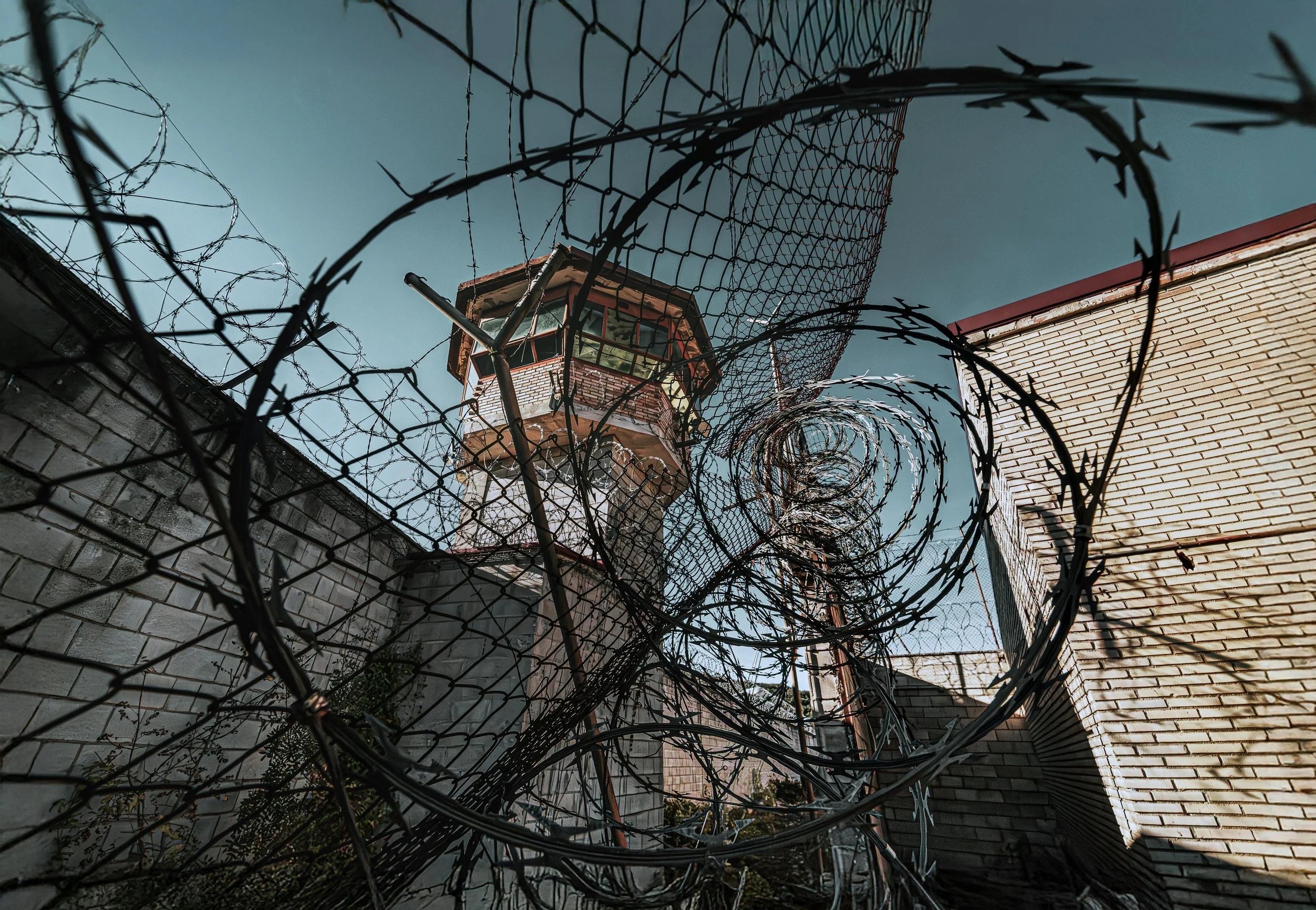
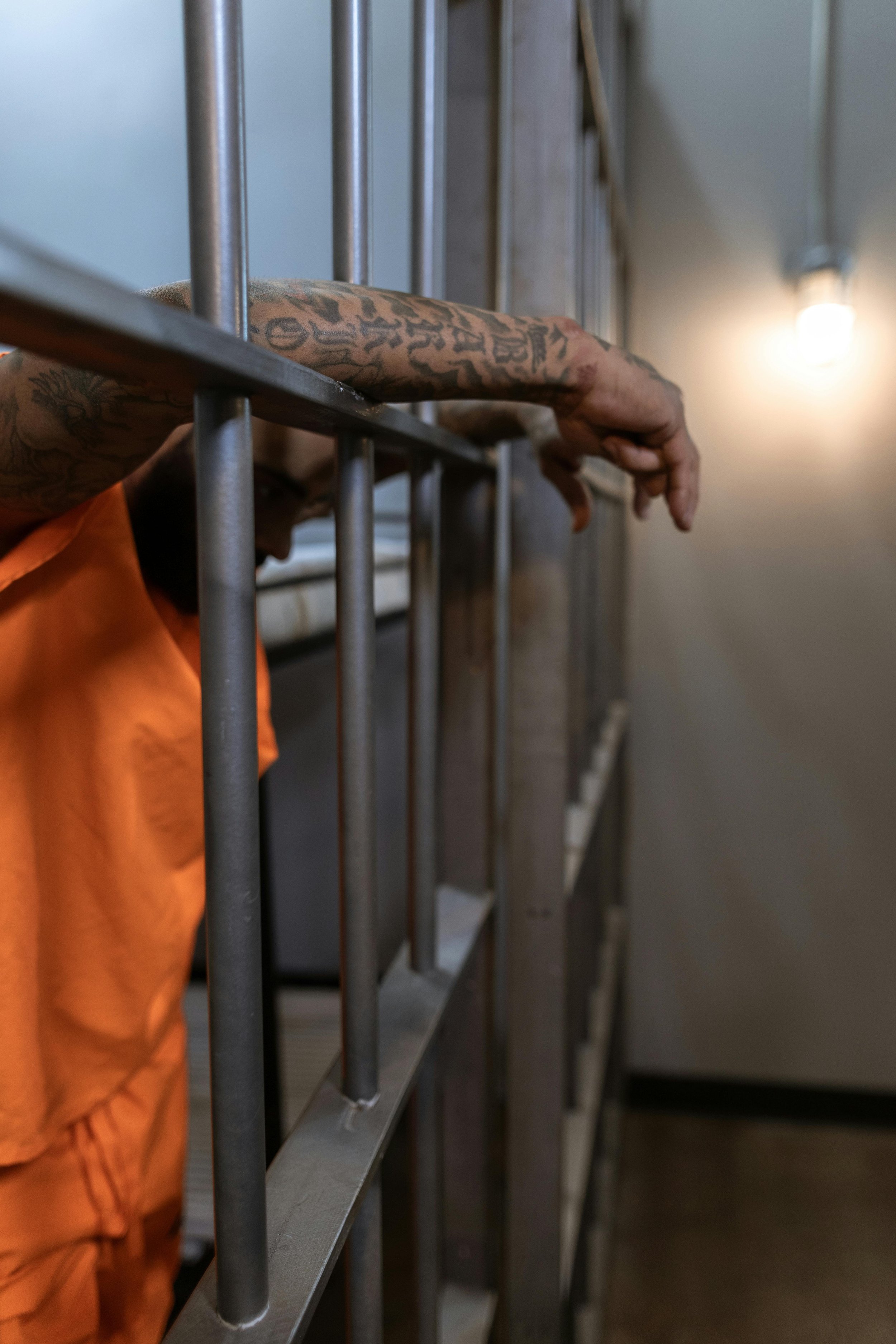
Photo by RDNE Stock project by Pexels.
PRISON ABOLITION ARTICLE 1 of 3
The Thirteenth Amendment of the Constitution ended slavery; specifically, it ended chattel slavery. However, the remnants of the old system of institutionalized violence and captivity still permeate much of modern law and have transformed into the American prison-industrial complex. In the exact wording of the Thirteenth Amendment, “Neither slavery nor involuntary servitude, except as a punishment for crime whereof the party shall have been duly convicted…” The last portion there is the important part: Except as a punishment for a crime should be of concern to any and every person who suffers under U.S. rule.
This amendment doesn’t outlaw slavery, but instead changes the method in which it is carried out. Rich investors and capitalists alike don’t want to lose their cheap supply of labor, so instead they sought to criminalize poverty and blackness, making prisons the new auction houses. During the reconstruction period after the Civil War, they did exactly that. New “black codes” were implemented in almost all southern states, along with many northern ones. These laws often outlawed breaking the restrictive labor contracts set up by white landowners, limited the kind and amount of property that could be owned by Black workers, outlawed vagrancy (which in essence is always a law that criminalizes the existence of the poor), and intensively restricted of movement via curfew.
Black people still had to carry the burden of centuries of slavery, having no wealth to build a new life with and were hardly helped by the state in the failure that was reconstruction. Unlike their white counterparts, who had racial privilege and centuries of domination to stand on after the economic foundation of the south collapsed, Black Americans were left with nothing to stand on after the end of slavery. Combined with poor English skills from years of literacy deficits, these Black codes that targeted freedmen greatly increased the likelihood that Black people would be sentenced, in a court with documents they couldn’t read and lawyers they couldn’t pay for, to prison. From there, the exemption of the Thirteenth Amendment kicked in. Convicts were leased to companies or individuals for hard, unaided labor, in exactly the same conditions that had existed under slavery. In 1898, 15 years after the end of slavery, 73 percent of Alabama's annual state revenue came from convict leasing.1 Needless to say, forced labor at the hands of the government is a lucrative way to drive up profits. The Thirteenth Amendment wasn’t meant to address the future of Black Americans, and this is most obvious in its exemption of prison slavery.
The specter of the black codes still haunts the U.S., amalgamating with common law and becoming the institutionalized racism that governs the U.S. justice system today. Subsequent reforms during the 1920s, the Civil Rights era, and into the 21st century haven't done much to prevent the existence of prison labor at all. In fact, we experienced considerable setbacks like the 1979 Prison Industry Enhancement Certification Program (PIECP), which allowed for prisoners to work in private sector jobs at far less than minimum wage. It’s a bill that gives cheap labor to corporations. As of 2017, prisoners make an average of $1 per hour when leased out.2 This is quite frankly insulting to convicts and incarcerated peoples, who, while not technically being slaves, are paid and treated so meagerly that this system of leasing and buying labor is in its essence, slavery.
This is what activists like Angela Davis coined in the late 90’s as the “prison industrial complex.” The racist apparatus of the prison industrial complex continues to exist into today’s society, as Black Americans are charged for crimes at a much higher rate than their white counterparts. It’s easy to brush this off as Black Americans just more prone to do crime which, horrid racism aside, is an inaccurate and insidious claim. Black and other people of color in the U.S. have systemically been disenfranchised and overpoliced since the inception of this country through slavery, the Black codes, and into Jim Crow. Racism and race has permeated every single aspect of life for people of color in America and that kind of deep, embedded race-class disparity didn't end with Dr. King. The Civil Rights Act, while being absolutely necessary to protect minorities, makes segregation and racial discrimination officially illegal, but did not fundamentally shift the material conditions for Black Americans. The generational poverty caused by what is now 250 years of state violence against the Black community continues to keep them as the most exploited underclass of Americans.
Poor communities have far higher police presence than in affluent communities, so more crimes are not necessarily being committed, but more crime is being reported. This kind of classist and racist policing method is called “broken window policing,” where visible signs of urban decay (such as graffiti or broken windows) is treated as the main indicator of an area in need of policing and “crime reduction.” In other terms, poverty and poor living conditions are the prerequisites for police involvement. This system disproportionately affects Black and Brown Americans. As a study from Texas State University puts it: “The strategy of policing that assumes that stopping minor social disorders at their tracks will eventually lead to the arrest of major serious crimes. The negative consequences of this policing strategy are that masses of people will be hauled into the criminal justice system for just minor offenses.”3 The pervasive strategies of the police flood the prison industrial complex with hundreds of thousands of people with minor or petty crimes to then be shipped off to companies that will pay them pennies on the dollar for grueling hours of labor.
Next up, the series explores how prisons are the least effective way to rehabilitate people and prevent crime.
Robert Perkinson (2010). Texas Tough: The Rise of America's Prison Empire. Henry Holt and Company. p. 105. ISBN 978-1-429-95277-4.
How much do incarcerated people earn in each state? | Prison Policy Initiative
A Critical Analysis of the ‘Broken Windows’ Policing in New York City and Its Impact: Implications for the Criminal Justice (Page 14 section A, sentence 1 for direct quote)