On the Art of the Sad Girl
Photo from The Criterion Collection.
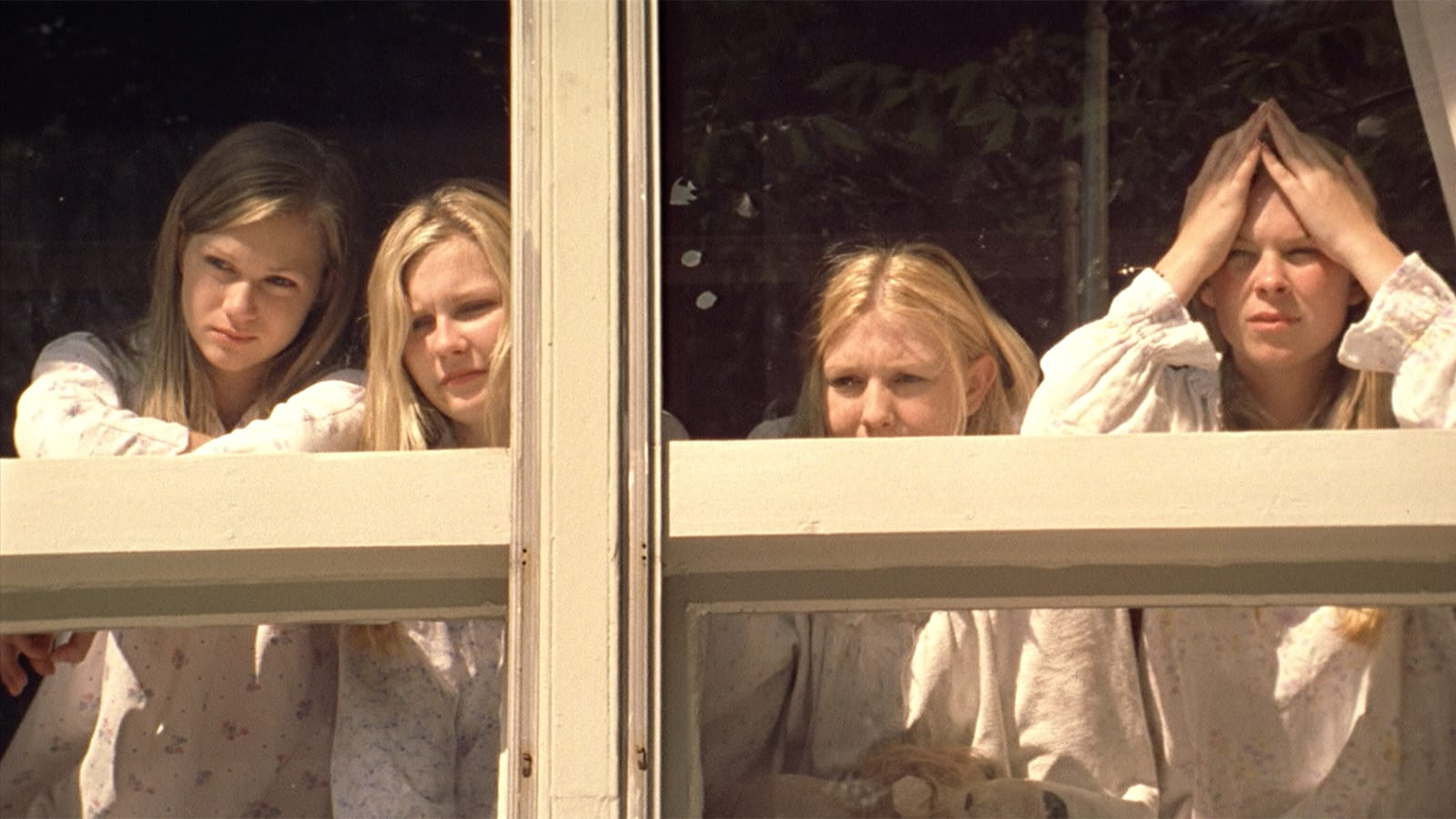
Somewhere along the way sadness has become something beautiful. It’s in the way a girl sits alone in a dimly lit room, sunlight filtering through her sheer curtains, her face soft, distanced, and untouched. The sort of silence that lingers for too long, in slow pacing, in a way that the camera refuses to look away. There is a certain sort of sadness that doesn’t feel chaotic, or overwhelming. It feels quiet and contained, almost delicate in a way.
I don’t think that version of sadness has happened by accident.
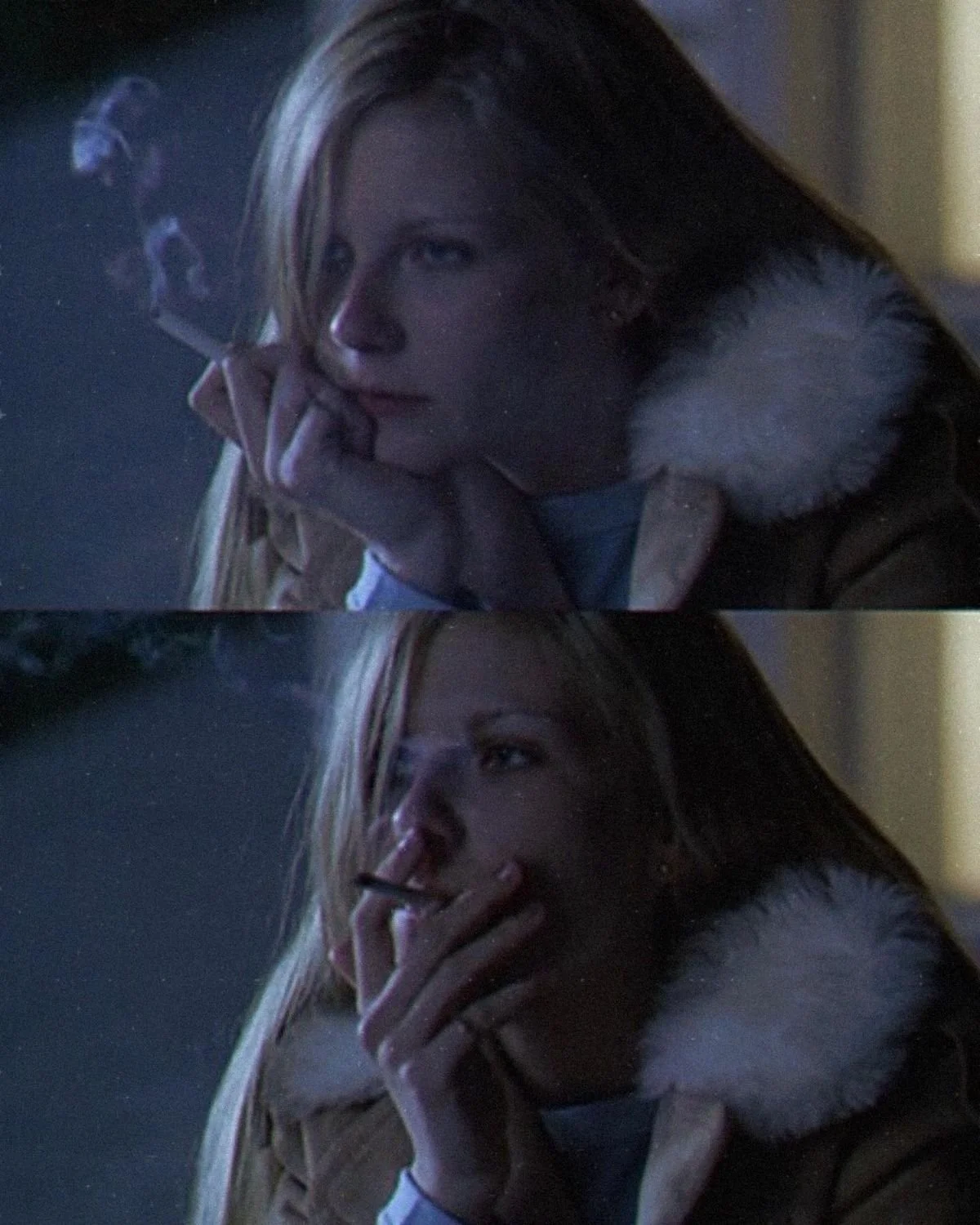
Photo from The Cinema Group.
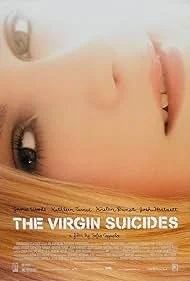
In Sofia Coppola’s directing debut, The Virgin Suicides, you never actually know Lux Lisbon. Almost the entire film is told through the perspective of the neighborhood boys, looking back on the Lisbon sisters' lives. They only exist as something remembered, and often feel like something imagined. Even in Lux’s most vulnerable moments— like her sitting on the roof smoking at midnight, the entire neighborhood silent, she’s still not alone. You’re looking at her from a distance. And that distance is what I believe makes the film so beautiful.
The shot is still, quiet, and composed. The loneliness she is feeling isn’t chaotic, or uncomfortable, it’s controlled. Her softness has already been softened before we see it. You’re not to understand her, you’re asked to look at her.
That is why she lingers. Not because we know her, but because we don’t.
The same thing happens in Coppola’s film Priscilla. Priscilla Presley spends most of the film waiting— waiting in rooms that are too big and too quiet. Waiting for someone else to decide what happens for her next. There’s minimal emotional release, even in scenes where it feels like there should be. No time where everything explodes and spills over. Instead, Coppola lets that stillness stretch. The camera stays back, and we observe.
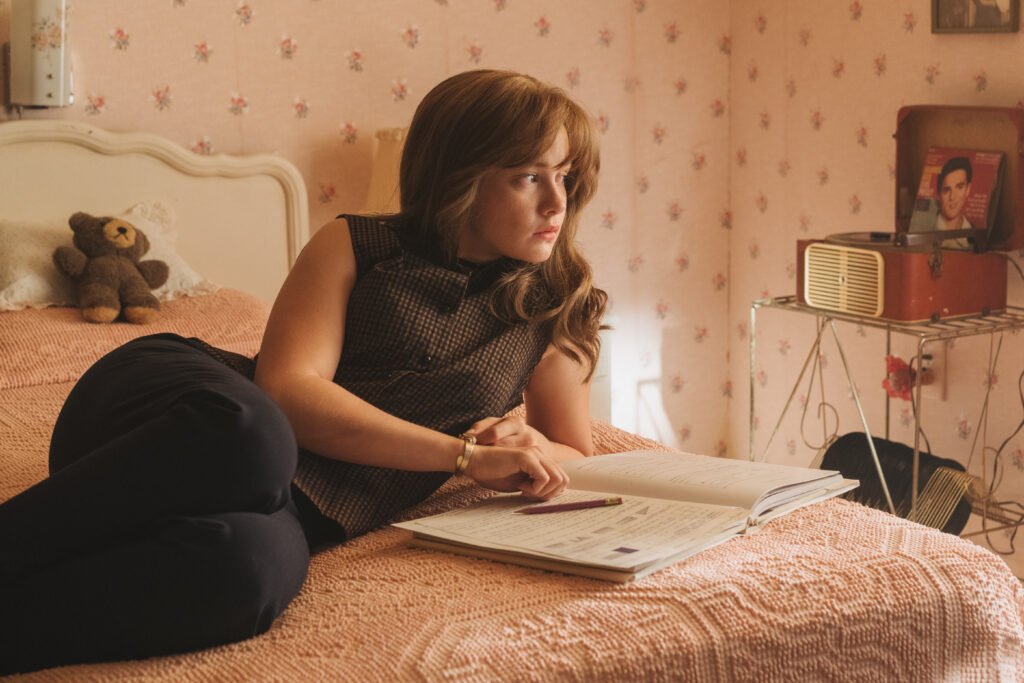
Photo from INDIE Magazine.
So once again, you’re not inside of her life. You’re watching it. And that distance is exactly what makes these characters and their sadness so easy to obsess over. Because they’re not fully formed in a way that closes them off. They feel unfinished, open, yet just out of reach. You can project onto them, reshape them into something else, and turn them into something that feels deeply personal without ever having to confront the actual reality of what they’re going through.
That’s why these films don’t just get watched. They get collected. Screenshots, edits, Pinterest boards, Letterboxd reviews that more times than not read more like diary entries than opinions or criticisms. The image of Lux on the roof. The quiet and empty rooms in Priscilla. They stop becoming scenes and start becoming moods and lifestyles. Something that people recognize in themselves or in some cases, try to recreate.
And over time, the “sad girl” stops being a person, and becomes something else entirely. An image. An aesthetic. A version of sadness that feels meaningful, even desirable, because it’s been stripped of everything that makes real sadness difficult to live with.
But real sadness isn’t distant like that. It isn’t quiet or composed or visually perfect. It’s inconvenient, and messy. It demands attention in a way that can’t be softened or framed.
Coppola’s films often don’t show that version. They show the version you can look at. And maybe that’s why people can’t stop coming back to them. Because it’s easier to see yourself in something that's both beautiful and unfinished rather than something real and fully understood.