Pencil to Page, Brush to Canvas: A Deep Dive on Hamilton’s AP Art
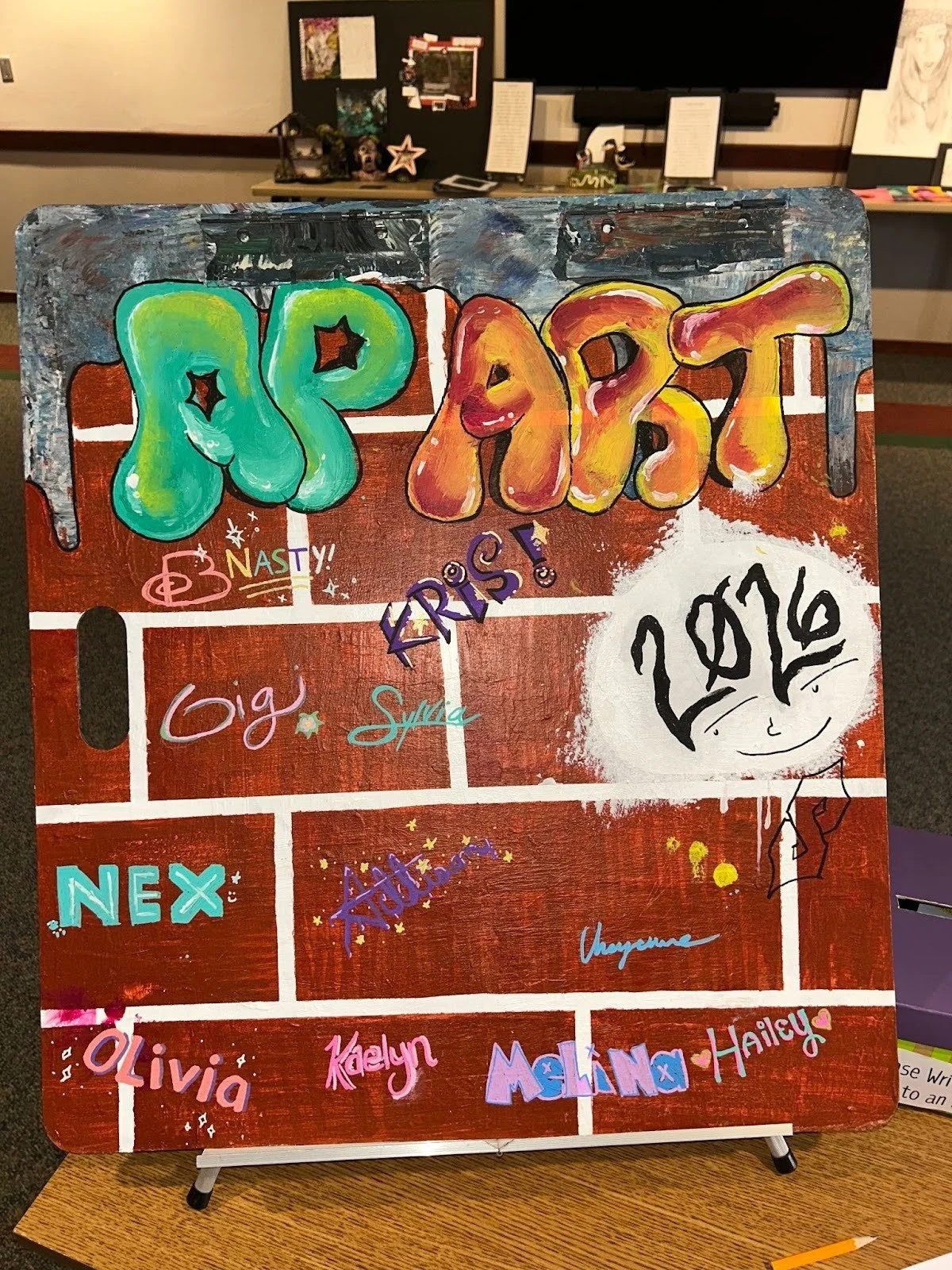
Cover image taken by Truth Frazier; images of art submitted by artists.
Throughout the month of March, Hamilton High School’s AP Art students have been displaying their artwork in the public library. The showcasing of talent and creativity had an amazing and innovative process behind it, so here is some insight to the students and their artistic process.
AP Art students begin to form their ideas and their portfolios at the start of first semester and finish at the end of second semester. Mrs. Strelow, the AP Art teacher, was interviewed about the process of grading and what her classroom functions like.
What is the prompt or assignment to tell your students to do?
“They need to come up with an essential question that they design it around. Within that question they need to do a lot of experimentation and revision. They have to create sustained investigations which are basically research and practices. They lead up to their five final pieces and create their final portfolio," Mrs. Strelow says.
An example of an essential question would be “How do current stories today relate to Greek mythology stories?”
What does the process of grading or observing an AP Art portfolio look like?
“They have to have 20 pieces of work by the end of the year, though we break it up,” says Strelow. “I use the same rubric that is used in every art class, which is ‘Create & Respond.’ They focus mostly on creating until the spring, when they do the writing part for their portfolio. Otherwise it's just about hitting deadlines and staying on track.”
What are some common questions and advice you recieve/give to students?
“Usually when they are beginning their portfolio, I tell them to do something that keeps them interested for the whole year and not pick a heavy topic that’s going to be depressing to work on every day. It's really important to use each other to critique their work and give suggestions. They need to be a community. To push forward and keep going in the beginning and end is difficult,” Strelow adds.
In all, the process is most definitely one that requires stamina and continuous creativity, which is something that is certainly seen through the students’ ideas.
AP Art students were also interviewed and asked questions about their inspiration and how they enjoy AP Art as a class.
Sylvia Wargolet
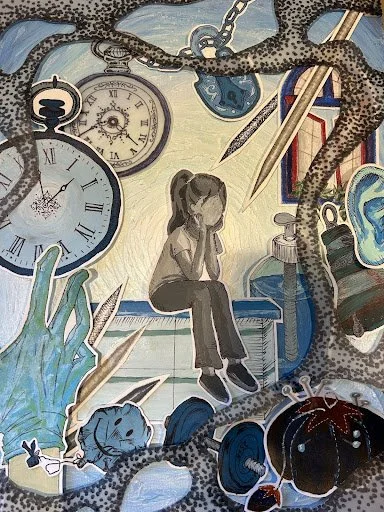
When asked what was her inspiration for her portfolio, Wargolet, a senior, responded, “I knew that I wanted to draw a bunch of different things that I was interested in and liked…the essential question I landed on was ‘How can small objects hold such great value in one's life?’ So for example, my first one was a drawing of my dog and his toy which is the small object that is important to him.”
“I like that we have the freedom to take our portfolio wherever we like and how we all have different art. It's cool to see the different ways people think and take art,” Wargolet says. “ I am challenged to find a different style or a different way to make the final piece. It's been fun to try new things like oil painting and acrylics.”
Olivia Scheer
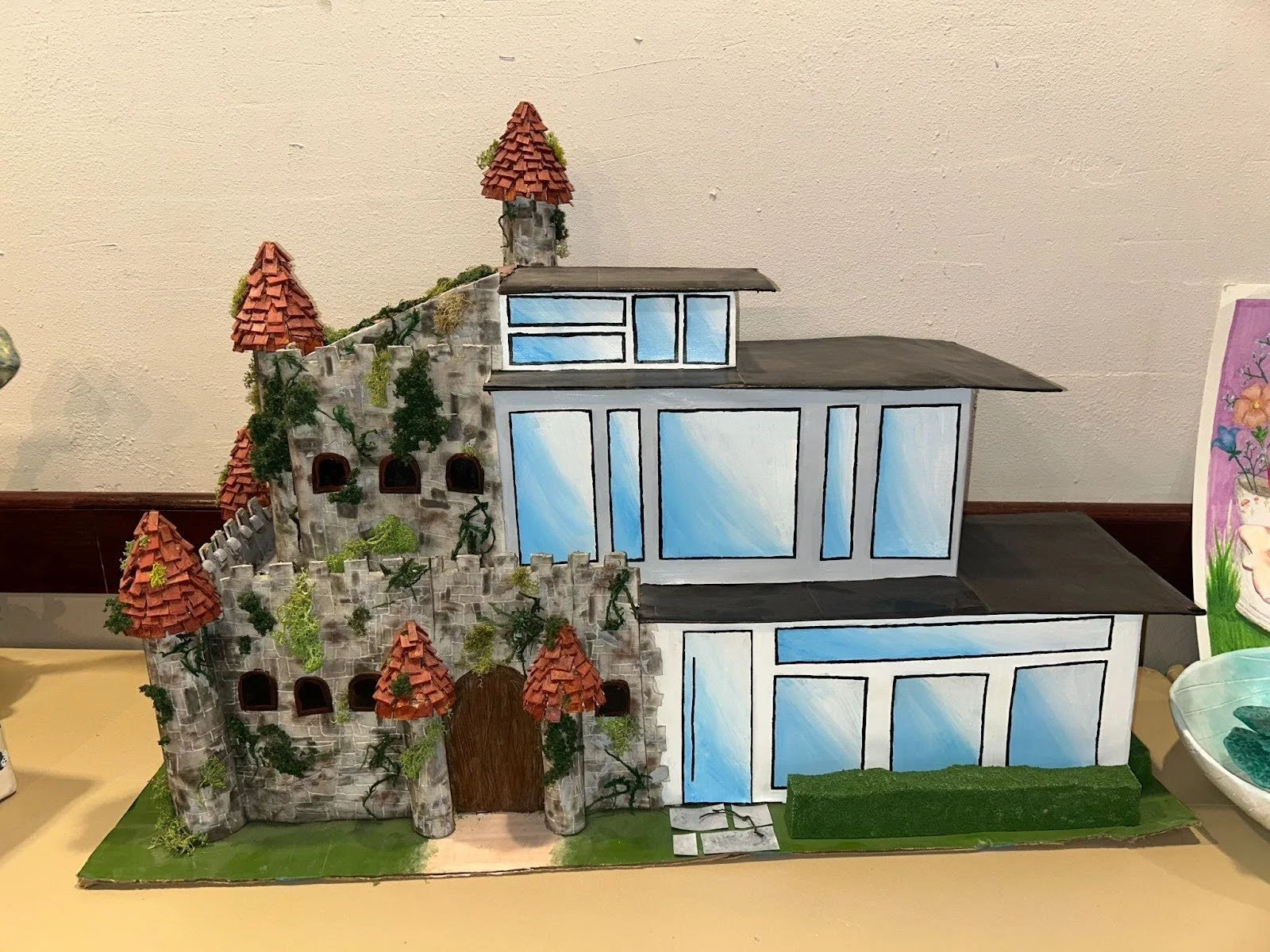
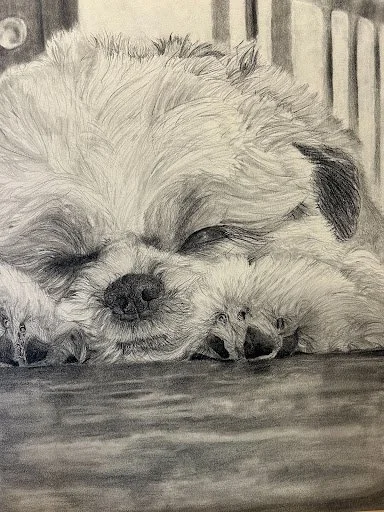
Scheer is a senior at Hamilton High School and her pathway in AP Art is based on architecture, inspired by her future career.
“I like that it's chill and that I can do it on my own time. Deadlines aren’t super strict; everyone is friendly and nice,” Scheer responded when asked what she likes about AP Art. “I really like the teacher, also I get to do what I want to do. Instead of going by a stricter curriculum, I get to create the projects that I want.”
Hailey Christian
Christian’s (senior) artwork is inspired by human-animal connection. Her art reflects her interest in the nonverbal communication between humans and animals that she gained within her childhood living with dogs.
Students were also asked about their struggles in AP Art, and Christian says, “I think in AP Art you obviously want to put in your best effort because it's the most challenging level of art. It makes you want to be the better version of yourself, which obviously can be a challenge. It's about changing things and taking advice from classmates, which can be difficult.
“I’ve always been in art classes throughout school: I've taken drawing, done independent studies, taken photography; it's always been what I want to do in my free time. I love to express art and fit it into a portfolio. I don't do a lot of art in my free time, so having a class that dedicates me to art is really important to me,” Christian responded. “It’s my form of expression.”
Kaelyn Behrdt
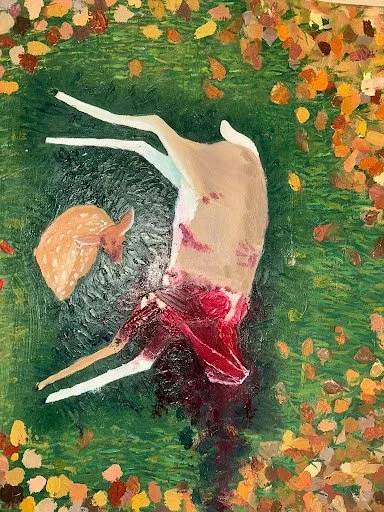
Behrdt’s portfolio is a work of creativity based on her own life experiences represented through deer. “It really challenged my creativity and artistic ability…for example, I chose a really big piece to start and I have to be careful of a lot of things," Behrdt, a Hamilton senior, said when being asked about the challenges and innovations AP Art students often have to consider.
Kris Behling
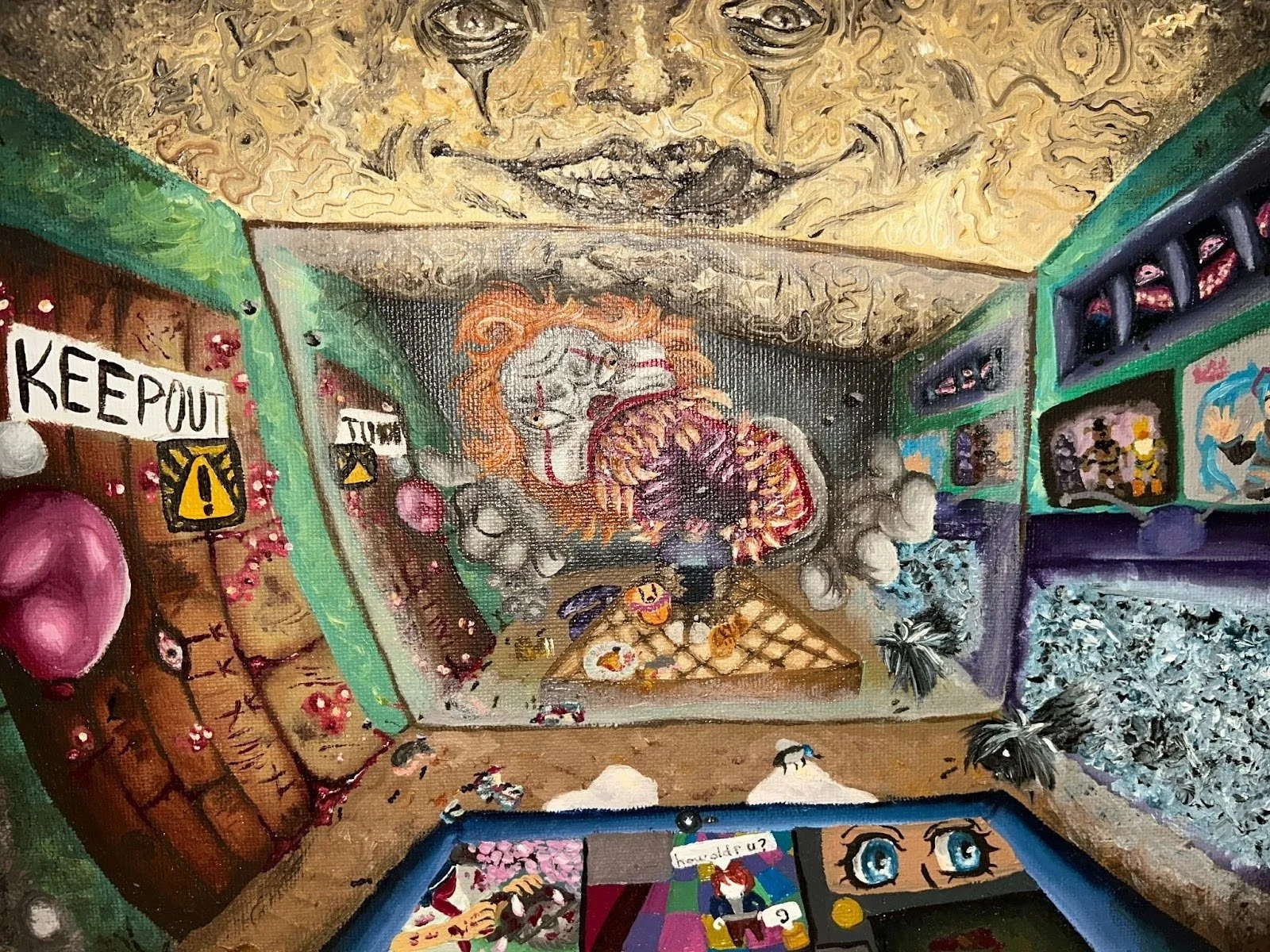
“Mine focuses around circuses and clown characters because even though it's a really specific topic, I knew it was something I wanted to focus on. It gives me a leeway to do dark and light pieces,” Hamilton senior Behling says on the focus of the AP Art portfolio.
When asked about the aspects of the class, Behling says, “I like that it's something that forces me to create even when I don’t feel like it…I’m planning to do art as a career so I think that this class would be a good stepping stone for me.”
Addison Borkowski
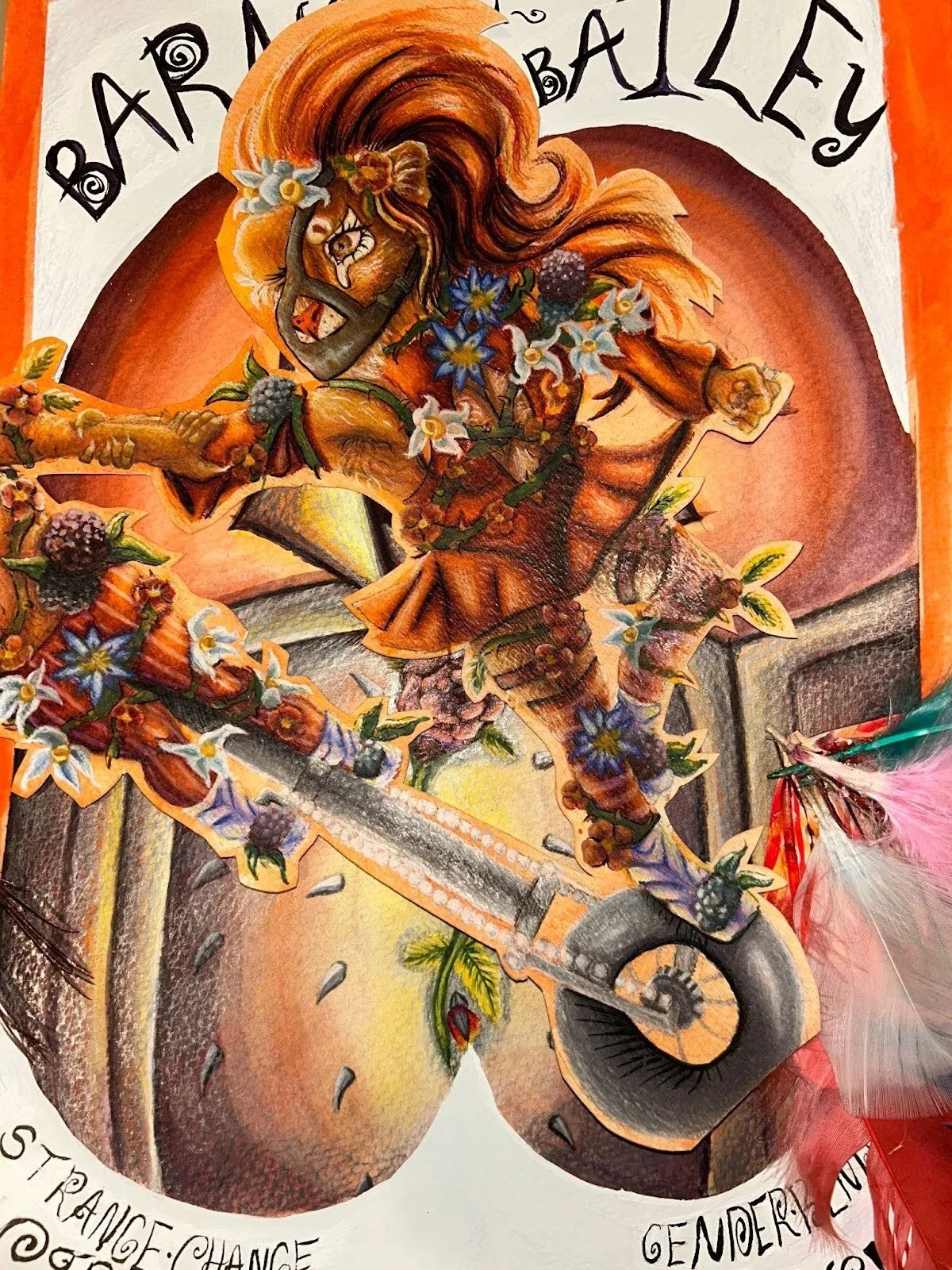
Addison, a senior, is focusing on her special interests within her portfolio. She enjoys the ‘class critiques’ that the AP Art students participate in throughout the year. These critiques provide students with constructive feedback to help with new ideas and improve their art. Addison says, “It’s really helpful that critiques come out at the time they do…when they come out at the end of other classes, it’s kind of weird so I like the way they are in this class.”
The AP Art portfolio process at Hamilton is a journey of creative stamina and consistent improvements that proves that a year-long "Essential Question" can turn personal passion into an amazingly expressive art piece. Their work, moving now from the library back into Hamilton’s halls, is a display of the wonderful and still progressing talent of Hamilton’s AP Art students.