The Global Paradox of Competition: How Rivalry Brings Us Together
Photos submitted by Li.
Lari Li
Even after centuries of Olympic and athletic history, the paradox of competition continues to sweep the world. Nations and clubs—even individual athletes—are praised and valued by statistics. How many medals has South Korea won in short track Olympic history? How many career buckets has LeBron James scored? The United States topped the Paris 2024 leaderboard with 126 medals and sits at the forefront of Olympic history with 2,793 medals. Numbers are pride. Rankings determine legacy. While spectators and fans value teams and athletes based on statistics, true sportsmanship is an insider secret.
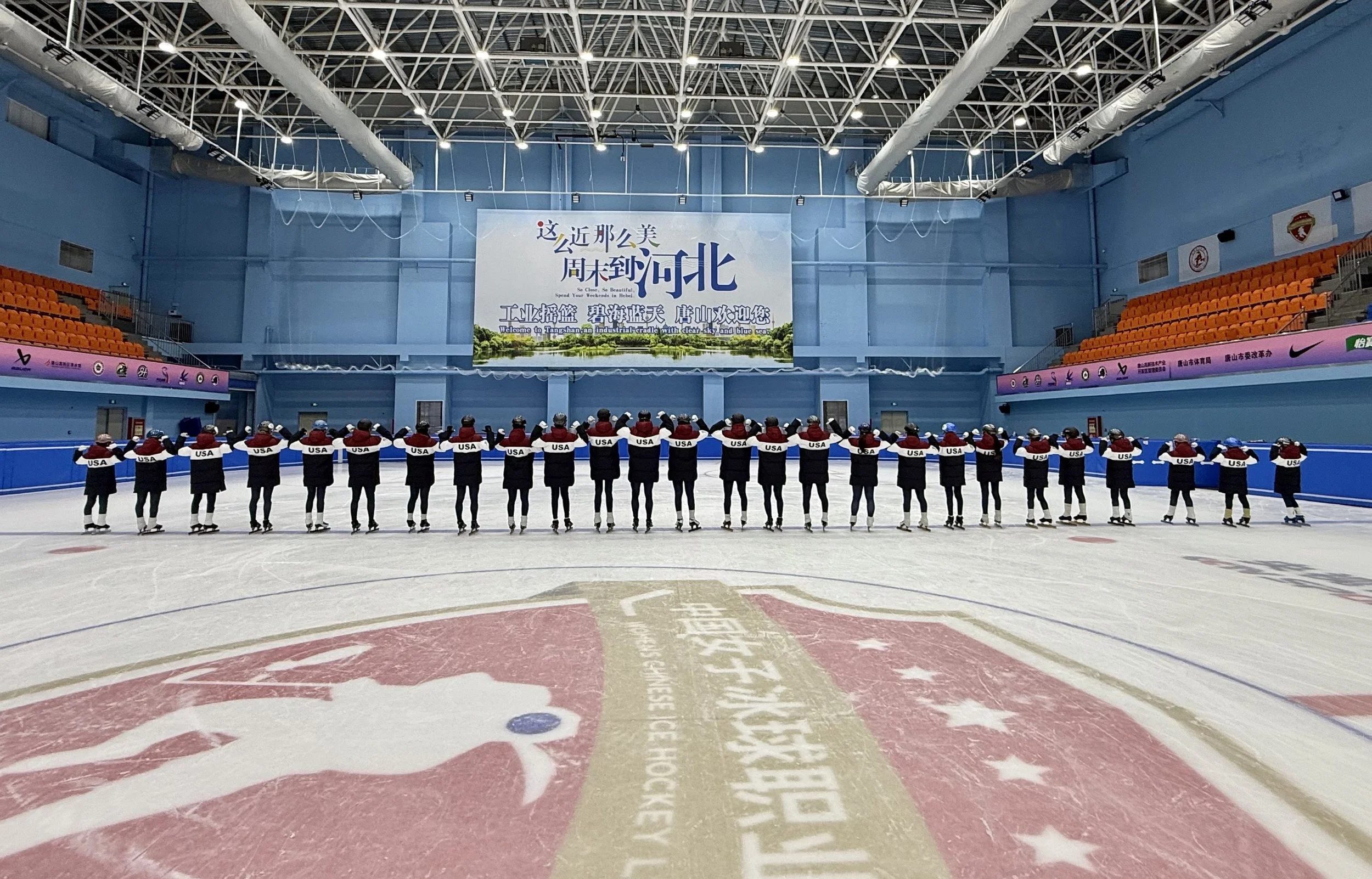
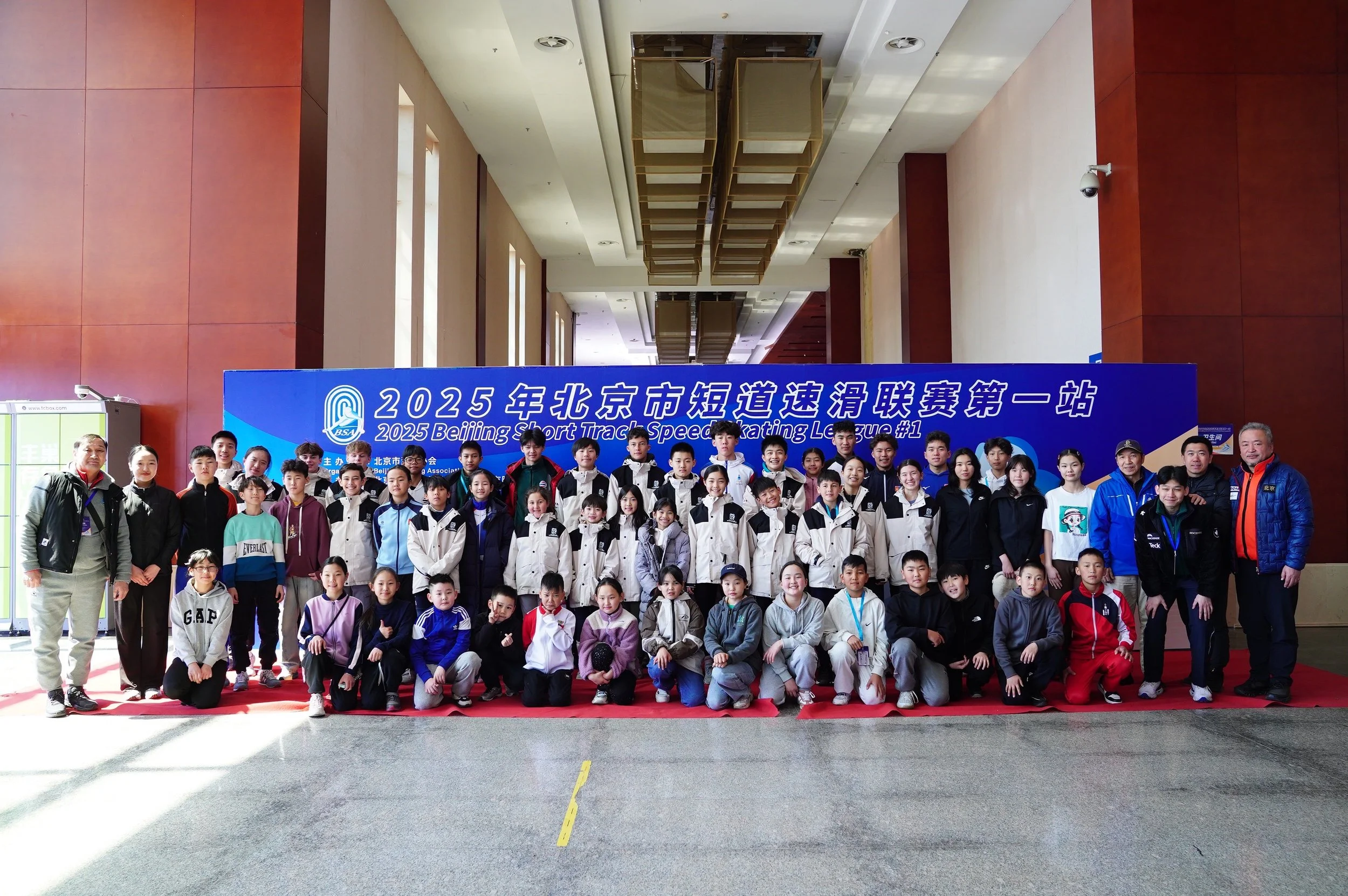
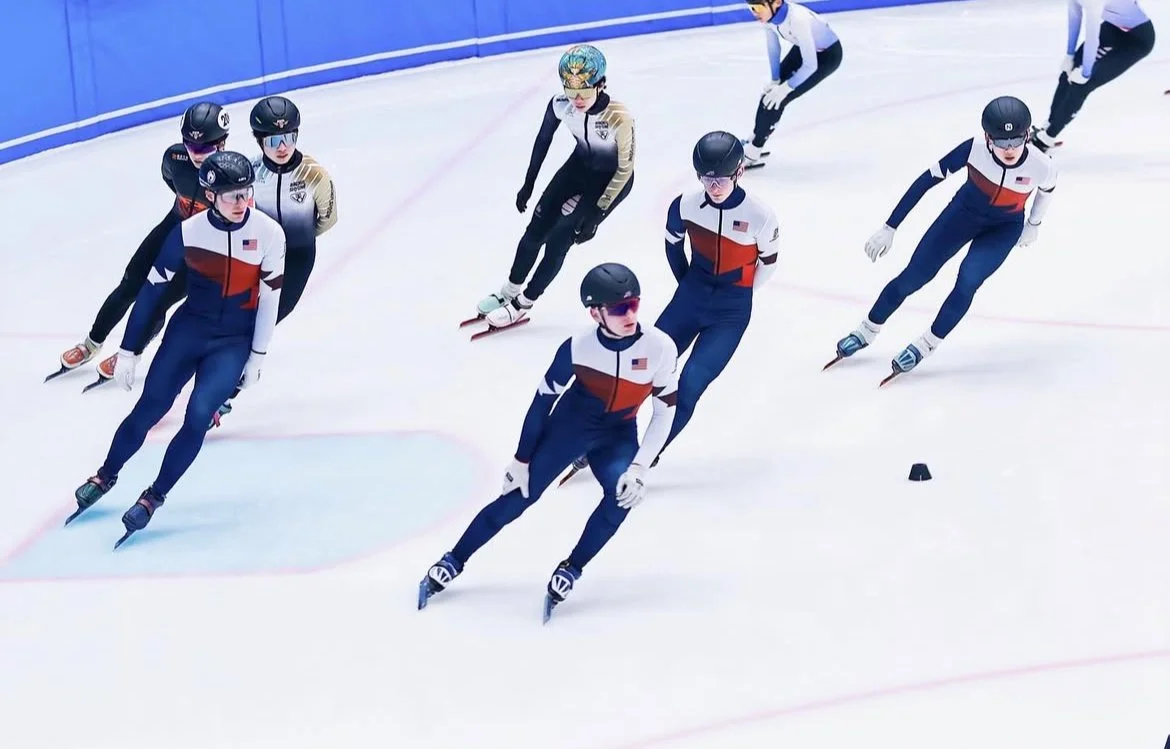
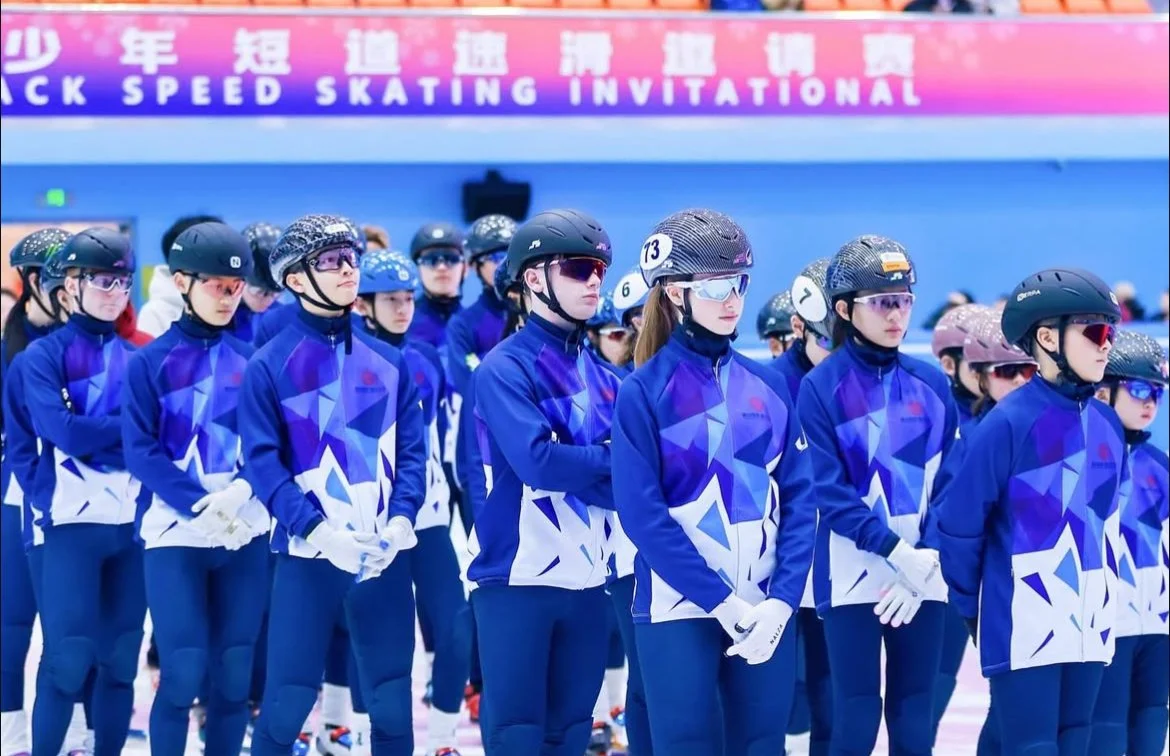
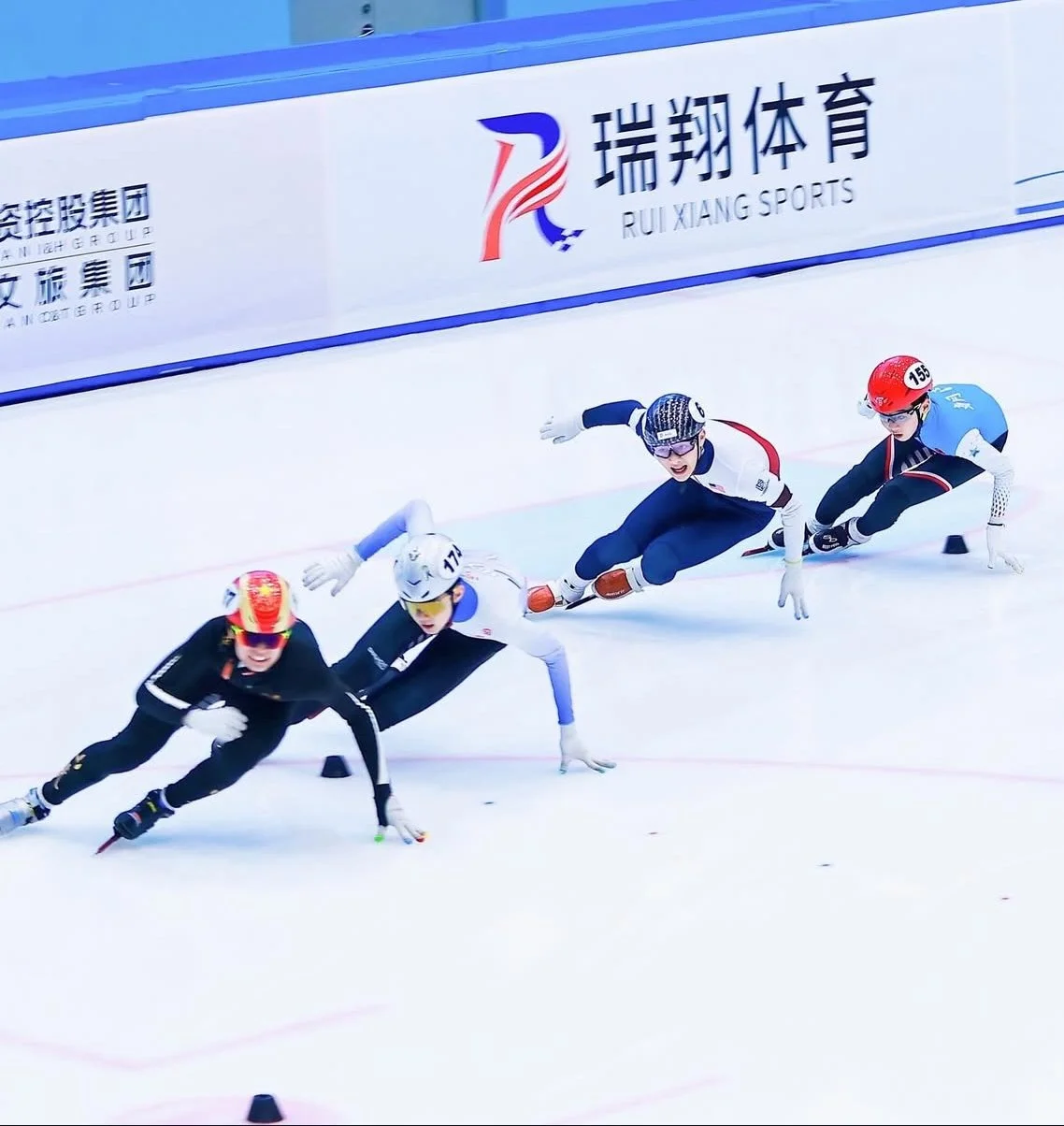
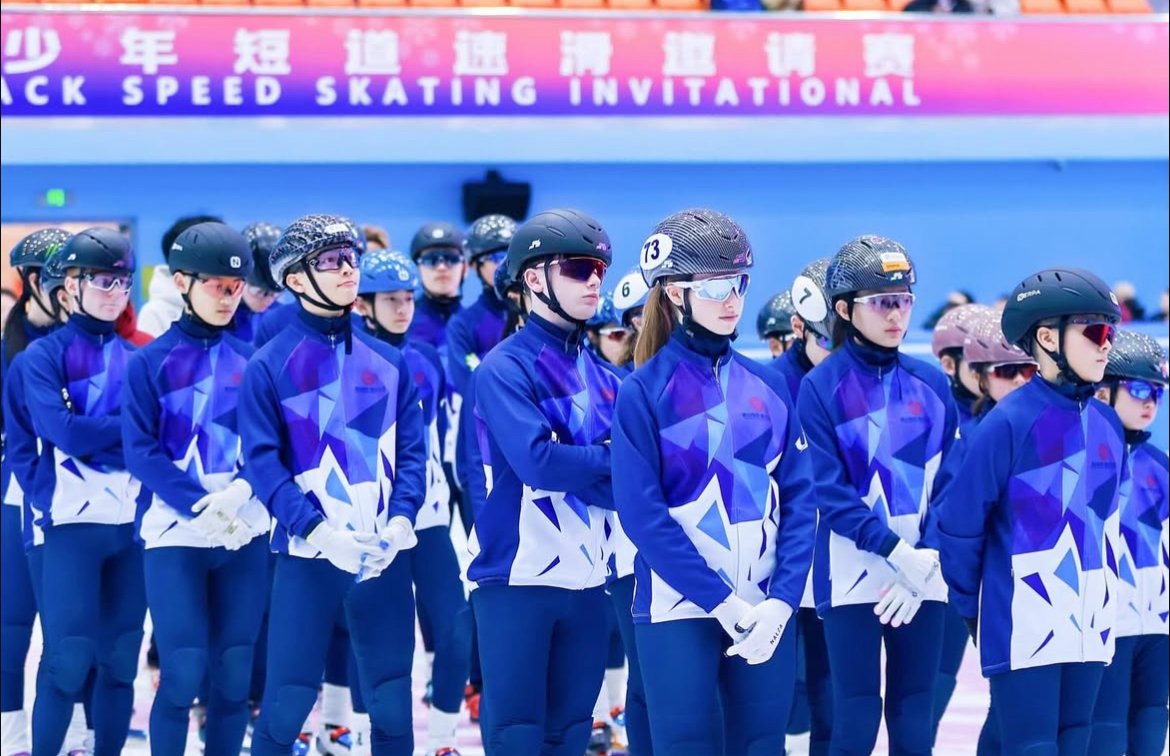
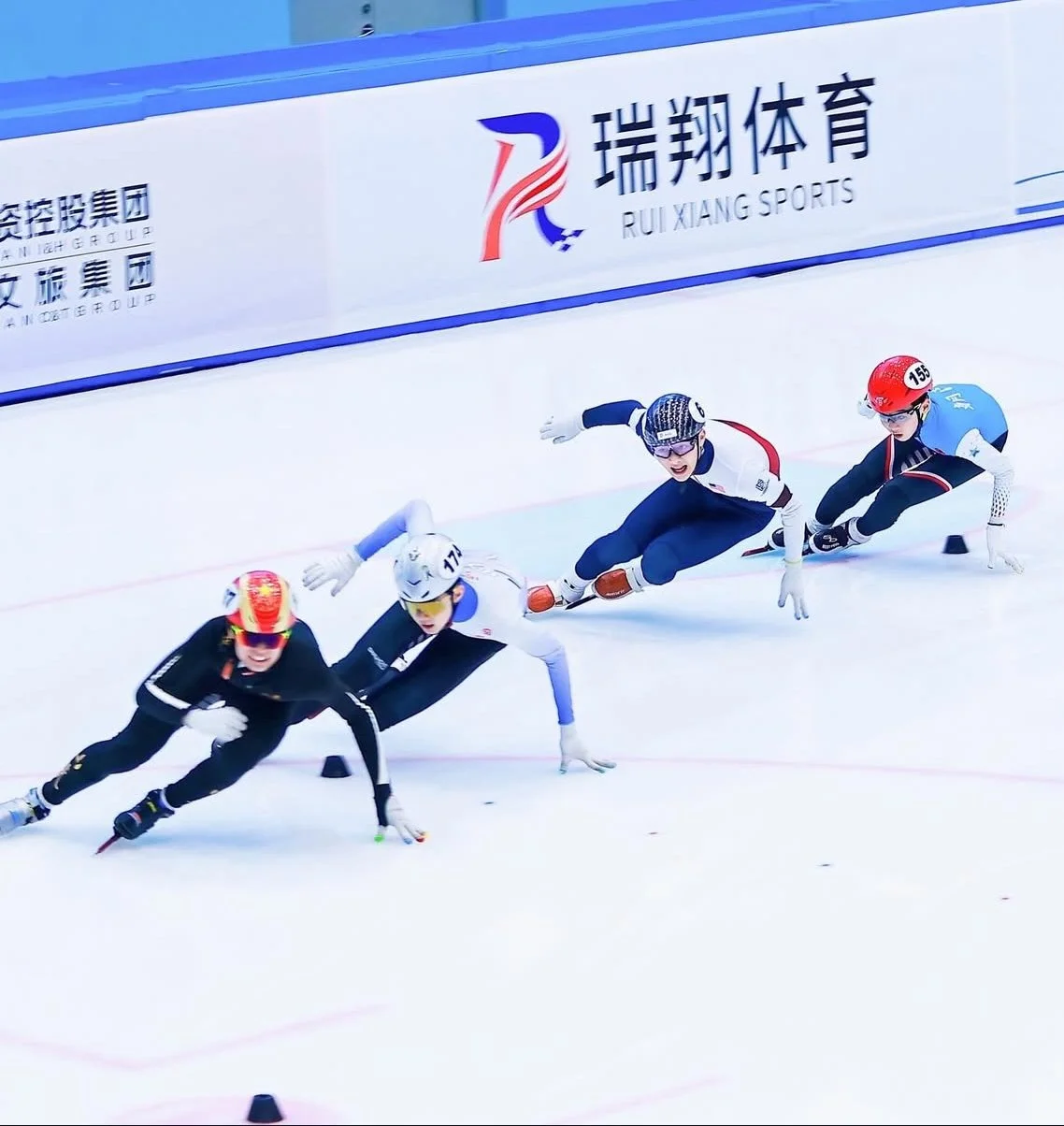
At the 2025 Sino-US Junior Invitational Short Track Championships and Cultural Exchange, competition became something more. Milwaukee-based program Pinnacle Speedskating represented the United States, and met with short track speedskating teams from all over China, coming together in Tangshan for a week full of enriching experiences and training.
Upon arrival, the American delegation had the opportunity to meet with Wang Zhengpu, the Governor of Hebei Province. In a warm and insightful address, Governor Wang expressed his enthusiasm for the cultural exchange and competition. He placed a special emphasis on how events like this are hard to come by, and symbolize more than just athletic excellence—they represent a shared future of learning and progress.
On ice, mutual respect and curiosity was fostered between countries. Between heats and ice sessions, athletes traded jackets, learned each other’s names, took selfies, and exchanged contacts. Age didn’t seem to matter either, with kids as young as 6 years old introducing themselves to Pinnacle skaters. Skaters admired each other’s skin suits and gear, wore each other’s protective eyewear, and conjoined together after successful sets.
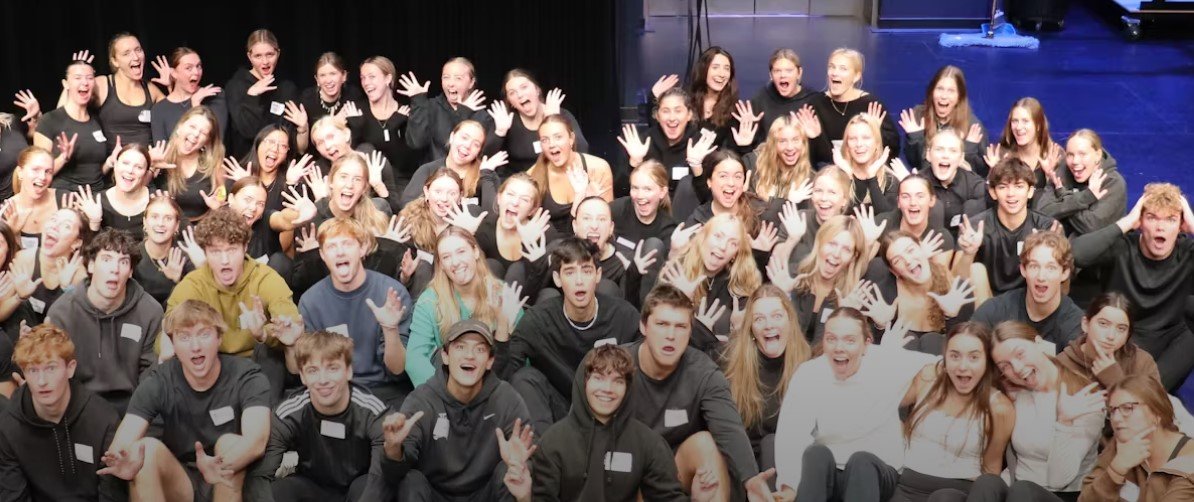
Off ice, Pinnacle explored Tangshan’s Ancient Culture Street. They sampled local snacks, admired delicate crafts, and immersed themselves in the architecture. Vendors and stores marked every corner, with beautiful lights by the coastal city illuminating the night sky. Hospitality was like no other here—student ambassadors from China became a personal guide for each skating family, answering every question and taking pictures for them. By the end of the trip, each skater had a close bond with their ambassador. Cameramen were respectful and came out with amazing footage, and humor was prevalent despite language and cultural barriers.
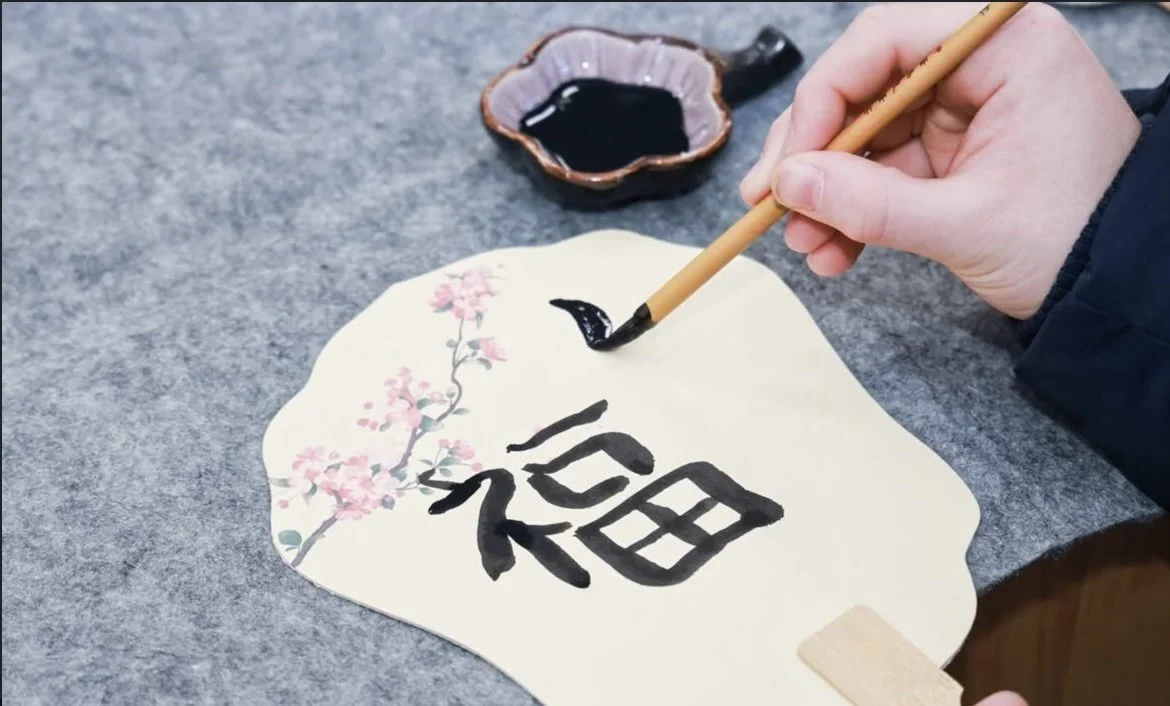
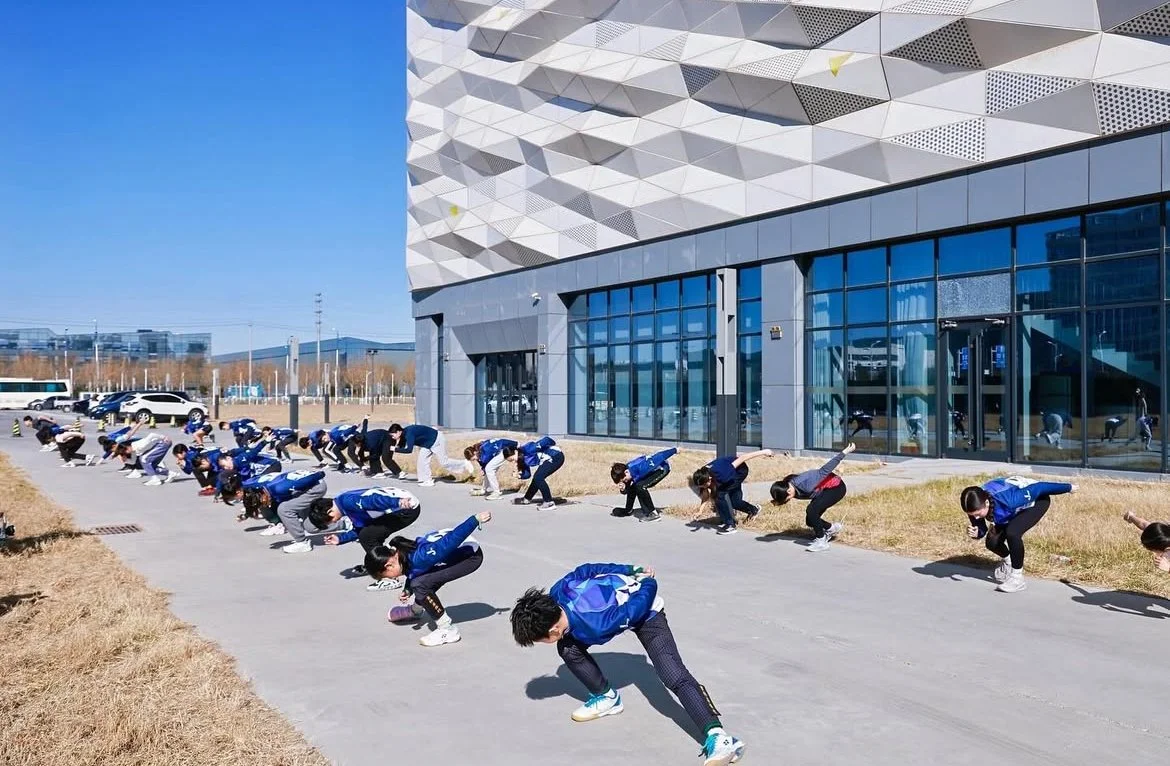
On another day, Pinnacle went to Tangshan Gaoxin Experimental Primary School for a cultural exchange with Chinese primary school students. The tiniest kids perfectly recited information regarding their school from memory, leading Pinnacle for a tour of their campus. A crafts section followed, with skaters learning Chinese calligraphy and receiving their own quartz Chinese character stamps carved by the students themselves. This cultural immersion was truly eye-opening; Chinese students spend half an hour of their school day doing morning stretches that follow specific choreographies. There’s also emphasis on the arts as well as academics, with kids having musical or artistic inclinations on top of their coursework. Overall, Pinnacle was able to reflect on the jarring differences between Chinese and U.S. school systems as well as live a school day in the shoes of the Chinese youth.
Tangshan’s rich history was explored when Pinnacle took a trip to Tangshan’s Qixin 1889 Cultural Industry Park. This park integrates industrial tourism, business, and culture. Originating from Qixin Cement Factory, it was the first mechanized cement-producing enterprise in China. It marks the start of a new dawn, being a keystone factor to China’s early industrial success. Skaters gained a deeper understanding of Tangshan’s evolution and resilience, serving as a reminder that like athletes, cities endure setbacks. Yet in the end, growth is what defines them.
This cultural exchange serves as a reminder of our differences and backgrounds, yet how they don’t define who we are as people. Competition is a universal language, and everyone chases victory regardless of their roots.
Though competition was fierce in every race, the moments in between reflected curiosity, friendship, and growth. On the last day of racing, nods of acknowledgement were exchanged between skaters for the cutthroat competition they had the privilege of racing in. The shared pursuit of victory is what made everyone better, and gave them something to take away from the trip. Whether it’s another skater pushing limits you’ve never deemed possible reflecting your own potential due to the miracle that is the human body or picking up on new techniques, Tangshan was an experience that will stick for years to come.
Friendships outlast the competition. New medals are won, old records are broken, and old champions are topped. But this universal language continues to transcend national borders.
Beyond athletics, themes of competition extend to academics and innovation. From the space race to the Cold War, progress is accelerated, and the borders of the human mind and its capabilities are pushed everyday. After President Bush and President Gorbachev signed the Strategic Arms Reduction Treaty, the world was left with newfound knowledge and technology. The handshake of world leaders and peace agreements is built on the census and acknowledgment of the other’s capabilities and accomplishments. The final handshake between the valedictorian and salutatorian is bittersweet; it marks the end and the dawn of an era. The battle of the brains that defined their high-school career is over now, and those lessons of discipline and grudging respect carry on to adulthood as they go their separate ways.
Rivalry as a form of connection is historical, worldwide, and deeply human. By definition, competition sets individuals and nations against each other. But every time, it brings them together. Rivalries demand excellence. And that’s what forges mutual respect. Your bitterest rival is a reflection of yourself; their excellence, gifts, grit, and dark nights are also yours. To be in the same league as them is a testament to your own hard work.
So what will it be? Armadas facing off on the borders of the sea? A bloodbath of cutthroat competition, another medal for the collection, or something more? Winning is the gold between your teeth; there’s no doubt about it. But winning is also ascending beyond the playing field and seeing competition for what it is: a window of growth and unity. A bond unbreakable.