Differences Between Indian Moto Culture and U.S. Moto Culture
Photo by Jacob Riesel.
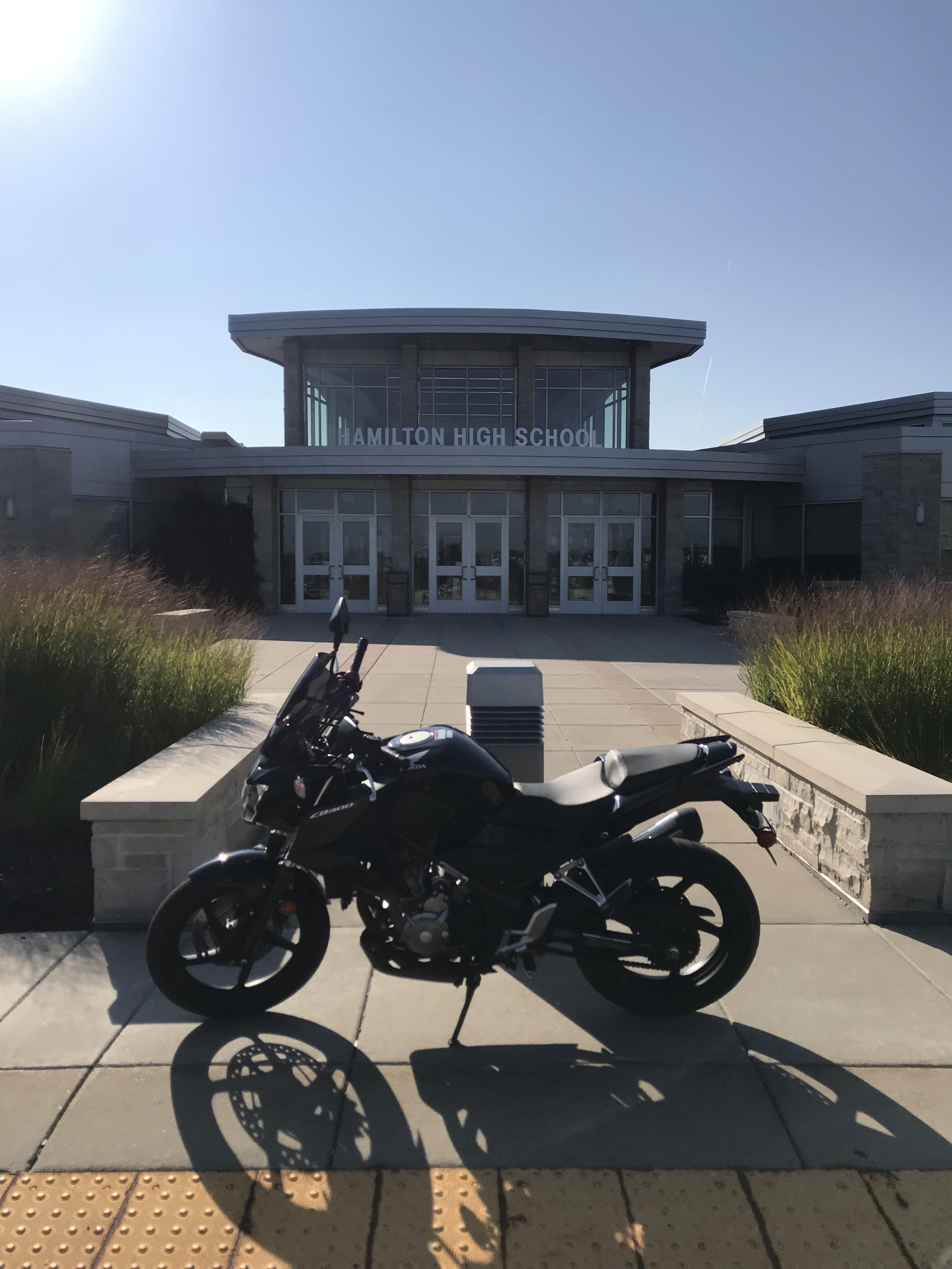
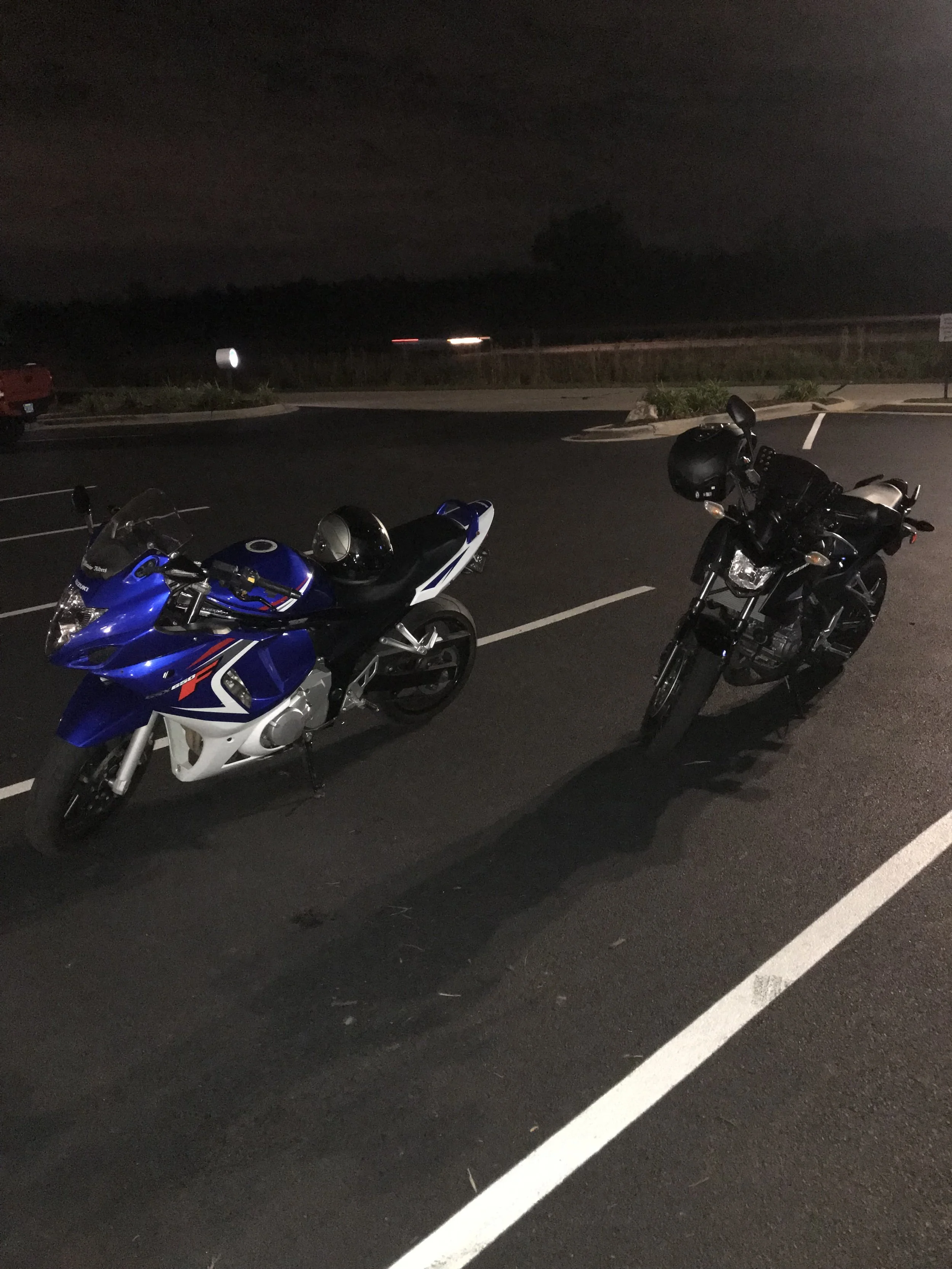
Have you ever seen a video of Indian street traffic? It looks quite hectic if you’re from the United States. The differences between the United States and India are numerous, and this applies to their motorcycle culture as well. We are here to show those differences to you, dear reader. However, you may be wondering how we are qualified to discuss this topic. One of us has ridden a variety of motorcycles, ranging from a 50cc moped to a GSX650F, and currently rides a 2016 Honda CB300F. The other is bikeless, but has been to India several times and can talk about India’s motorcycle culture from personal experience. Now that you know we are credible sources, let’s talk about the differences of India’s riding culture to America’s riding culture. Before we begin, shoutout to our 1,147 Charger Press readers in India.
Safety
The first thing you’ll notice about the bike culture in India is that safety isn’t as much of a concern. Most people ride around with almost no gear whatsoever. This isn't as much of a problem as it would be in the United States, because most people don't go over 40 miles per hour in India. Another reason that safety in India is so different is the type of traffic. Bikes make up 75% of all registered vehicles in the country, resulting in a majority bike ruled traffic system. Because of this, a lot of the vehicular incidents that occur are bike on bike, which is significantly less dangerous than other parts of the world. This is not to say that safety in India is not important. For example, saree guards, mandated to be installed new on most of India’s motorcycles, prevents women’s sarees from getting sucked into the wheel or chain sprocket. However, some people hate saree guards, arguing they should be an optional accessory. Another example, helmets are mandatory for all motorcycle passengers over the age of four. It’s just that most Indian riders hate wearing helmets. For example, in order to get gas in India, you need a helmet. However, riders have found a loophole where they borrow someone’s helmet, then return it as soon as they’re done getting gas.
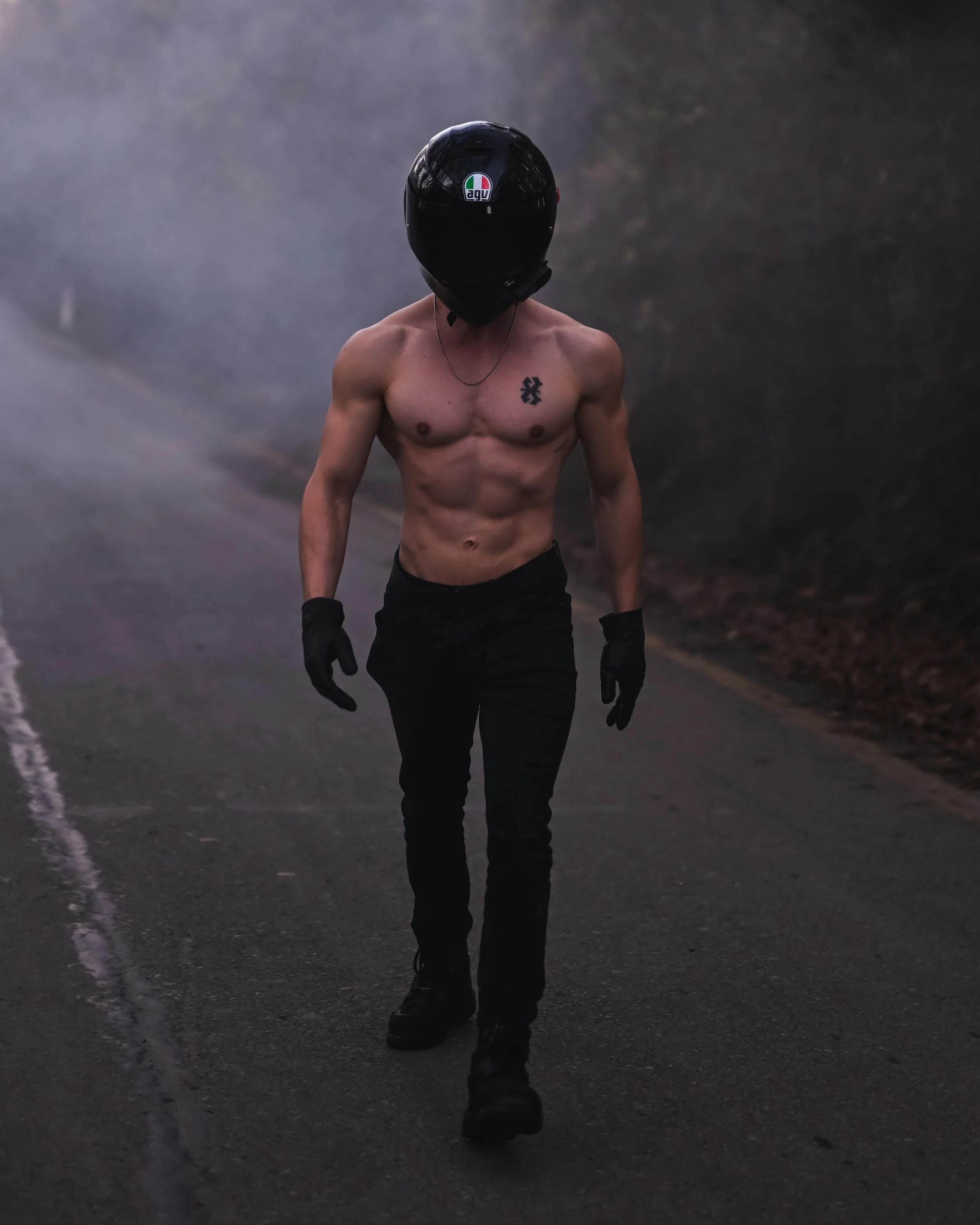
America is somewhat the same, but somewhat different. On one end of the spectrum, you have sportbike riders, who dress for the slide, not for the ride. When you’re ripping 186 miles per hour on I-94 while running from a police helicopter, you’ll take all the protection you can get. On the other hand, you have Harley riders and Goldwing riders. Typically, both riders have a strong distaste for riding gear, believing that their denim jeans and Sons of Anarchy jacket will keep them safe when they collide with a distracted Chevrolet Suburban. On the contrary, riders of Japanese cruisers, in my experience, wear gear. Adventure bike riders wear the most gear of all, mostly because they’re suburban fathers who can afford a $1,000 Aerostitch suit and $700 Alpinestar boots without batting an eye. Personally, I like to wear all the gear. Yes, it’s inconvenient, but I will gladly spend three minutes of my precious time putting all of it on to avoid visiting the skin graft surgeon.
Types of Bikes
Because of the majority bike led traffic system as well as the abundance of people, the highest speeds that you would reasonably reach on Indian roads wouldn’t be more than around 50mph; however, if you need to travel on the freeway you are allowed to reach speeds up to 75mph. Because of this, bikes in India usually have smaller engines and go slower than those in the United States. The average displacement of bikes in India may range from 50cc-300cc on average, compared to significantly higher displacement bikes in the U.S. Another key difference in Indian motorcycle culture is their taste in motorcycle styling. Besides the utilitarian bikes, such as the Honda Shine100, Indians tend to prefer retro styling disproportionately compared to Americans. Bikes with retro styling, such as the Honda CB350 and the Royal Enfield Bullet 350, are abundant in India.
In the United States, things are much different. The average speed that bikes need to go is much higher, so engine sizes are much bigger. In America, 50cc mopeds are considered kid’s toys and too slow to keep up with traffic, 400cc motorcycles are beginner bikes, and only 600cc supersports and up deserve any kind of respect. Popular outliers include the 125cc Grom and giant cruisers, often with over 1600cc. Don’t get me wrong, I can go on American highways just fine on my CB300F. As for the style of bikes, I’ve observed an almost even 1:1 ratio of sport bikes to Harleys. Other minorities of bikes include naked bikes, modern retro bikes, adventure bikes, and dirt bikes ridden on the street illegally.
Environment
An important factor that contributes to the difference in riding culture is the environment of each country. India never sees snow, so motorcycles are active year round. However, it rains a lot in some regions of India, but this doesn’t stop people from riding. Because of the rain and heat, India tends to be more humid, which is one of the reasons why riders ride with minimal gear. Roads in India are smaller and in poor condition. Dirt roads are not uncommon at all. The roads, excluding highways, tend to not have lanes, so riders ride wherever they want (like a free-for-all). All of this, in conjunction with heavy traffic, causes speeds to be very slow. Therefore, bikes don’t need very big engines.
Very few American motorcyclists ride in the snow. Therefore, when it does snow, Americans put their bikes away. This creates a “riding season,” where people take out their bikes for the warmer weather. Also, most Americans do not willingly ride in the rain, opting to drive instead. Cold temperatures will also cause Americans to stop riding. I don’t see any Harley or sportbike riders out when the temperature drops below 40. In states like Florida or California, motorcycles are active for longer, as they don’t have any snow. Most roads in America are way bigger and smoother than roads in India. This, combined with less congestion, allows for riders to ride faster. Therefore, bikes have to be bigger. Don’t get me wrong, a Yamaha R1 is still overkill for most riders, but while a Royal Enfield Meteor 350 is considered a serious motorcycle in India, it’s barely fast enough to keep up with traffic in the United States.
What Bikes are Used For
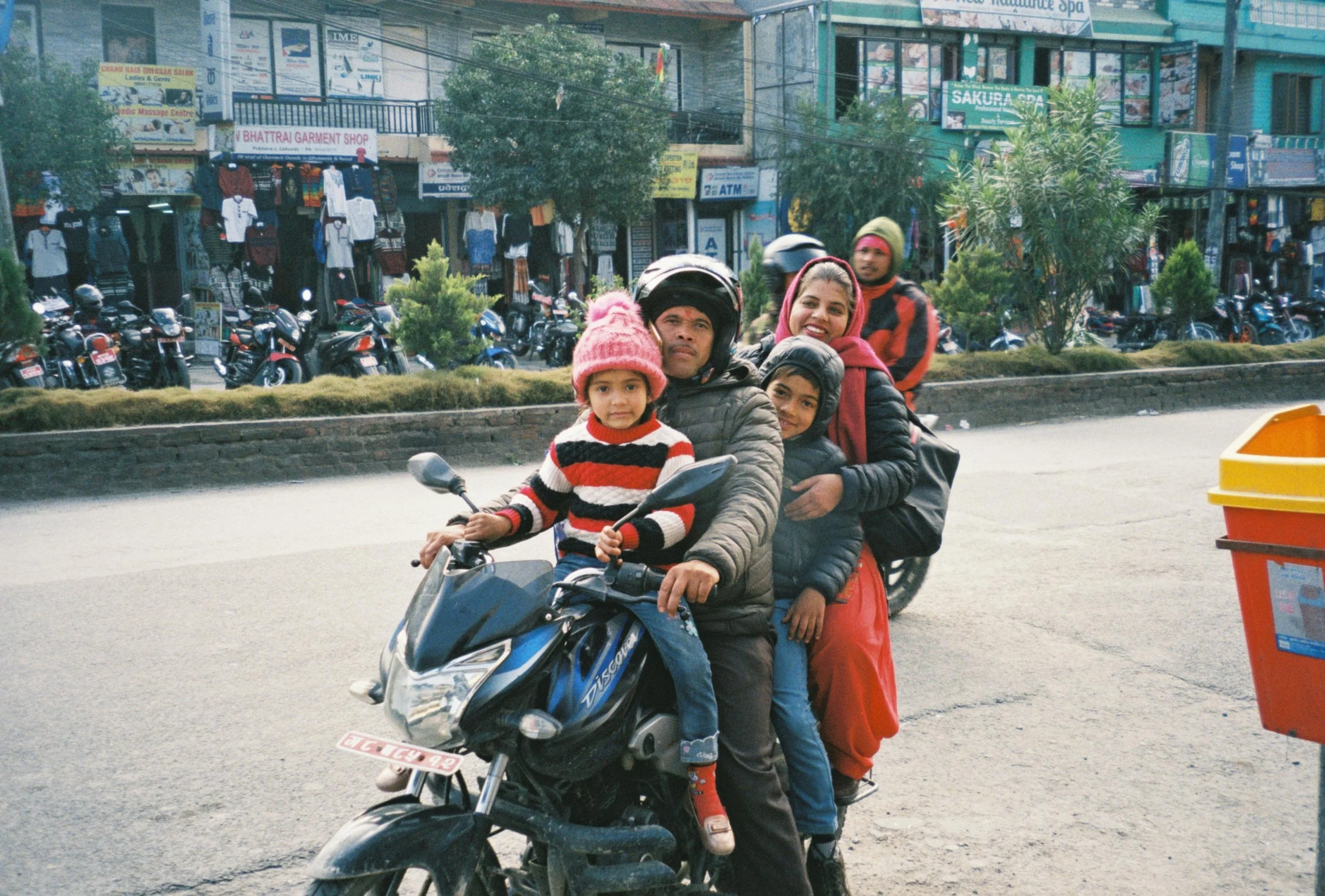
Bikes in India are used for vastly different purposes. It isn’t uncommon to see a family of five piled on a tiny SP160. However, Indians use bikes for this purpose. Because bikes are the most common form of transportation, they are used for basically everything a car is used for in the United States, from getting groceries to carrying your family across the country. Only a select few riders in India ride for recreational purposes.
However, in the United States, almost all riders ride for recreation. Whether that be cruising to Sturgis on a Harley, taking your Honda Africa Twin up some nasty trails, or carving up canyons on your favorite 600cc supersport, riding for fun is the name of the game in America. Still, a lot of American riders love taking the bike to work, but it isn’t as common as in India. Even fewer get groceries on their motorcycles. Over the course of this summer, I have only seen one other motorcycle besides me fetching groceries and it was a Harley Davidson Road King with massive saddlebags. All of this is due to most American riders being drivers as well. Need to drop off your kids at soccer practice? Car. Need to get groceries? Car. This way, American riders can ride for recreation, rather than being forced to commute everywhere by bike. Personally, I love running errands on my motorcycle.
Types of Riders
Lastly, let’s talk about the riders. In the United States, there are tons of types of riders. To name a few: Harley oldheads, Goldwing oldheads, energy drink addicted sportbike riders, pretentious hipsters on clapped UJMs, ADV dads, Grom stunt riders, and dirt bike riders in stunt takeovers ripping wheelies through the projects. India’s riders do not have this diversity. Most people are just riding to run errands and to get from A to B, so a lot of the bikes and riders look the same. That’s not to say that there aren’t outliers. It’s just that these are few and far between.
Another thing to talk about is the waving culture. In America, it is customary to put two fingers down to “wave” to other riders when you pass each other on a motorcycle. Of course, India doesn’t have that. Bikes in India are regular traffic. Do you wave to every SUV that you come across on the road? I didn't think so.
Finally, the traffic also changes the riders. Since the rules of the road don’t have as strong of a presence in India, riders feel free to ride wherever they want on the road, especially considering the slow speeds they go. Motorcyclists in the United States are law abiding when compared to Indian riders in traffic. In the United States, lane splitting is considered arbitrarily illegal in a lot of states. Comparatively, if the worst thing you did in Indian traffic was lane split, you would be a saint. That isn’t to say that America has its fair share of rule breakers. If you go on the internet, there are plenty of videos of American motorcyclists running from police helicopters and going 190 miles per hour while cutting up in traffic.
While riders in the United States laugh at “small” 400cc bikes and ride wrapped in gear, there is an Indian rider wearing flip flops while carrying his family of five on a dinky Shine100. This is not to say that one riding culture is superior to the other. It’s these differences that make each riding culture distinct, vibrant, and diverse. Whether you’re a student at Hamilton High School or one of the 1,147 readers from India, ride safe and don’t die!