Native American Awareness Month and Thanksgiving
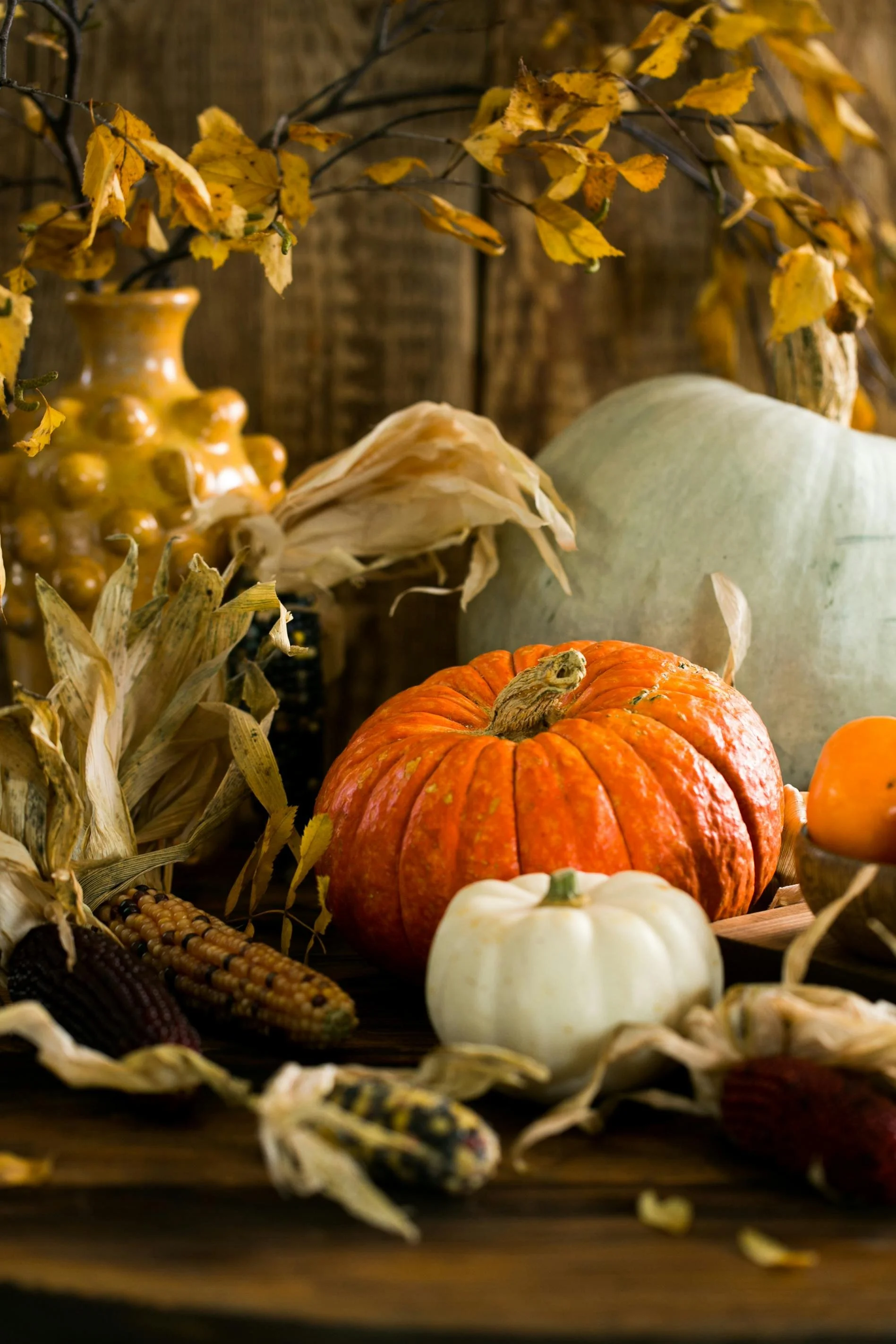
Photo by Anna Tukhfatullina Food Photographer/Stylist from Pexels.
With Thanksgiving nearing, many feel excited to come together with family and celebrate gratitude. Along with this, it is important to recognize Native American Heritage Month, and how the two events crossover. Thanksgiving has often been taught in a positive light, and as a holiday full of friendship and peace. However, many aspects of the historical origins of Thanksgiving show the opposite. Much of what schools teach about Thanksgiving is false, and disregards the injustices that Native Americans faced. It is often understood that the first Thanksgiving and what preceded occurred when the Pilgrims settled in America and had a mutually beneficial and friendly relationship with the Wampanoag tribe that had already been living there. They shared hunting tactics, food, textiles, and learned from each other’s cultures. The current idea of Thanksgiving as a holiday stems from the event when the two groups of people then brought those skills together and had a massive feast, symbolizing the newfound friendship. Although some elements of this story are true, much of it is full of myth to cover up for what actually happened in 1620.
Many truths have been uncovered of what actually happened on the day the Pilgrims arrived, and the myths that preserve misinformation are shifting in how they are being taught at school. The voices and anecdotes of the Native Americans who were at the first Thanksgiving have been undermined, and the Thanksgiving most people currently think of, is the narrative of the Pilgrims. This leaves out many important factors to the Pilgrim settlement, and many myths are now being busted.
Myth #1: Thanksgiving is portrayed as a peaceful holiday that originated from friendship.
This portrayal is only provided by the Pilgrims, rather than the anecdotes from Native Americans at the first Thanksgiving. Rather than trying to form friendships, the Native Americans were apprehensive of the Pilgrims, and wanted to assist them from an incentive of diplomacy. They had a mutual relationship at first, but that eventually failed (Goade, n.d.).
Myth #2: Turkey and pumpkin pie were staples at the first Thanksgiving.
Many people think of the “traditional” Thanksgiving meal which includes turkey, pumpkin pie, and cranberries. However, when the Native Americans and Pilgrims had a meal, the main dishes on the table were deer, duck, local vegetables, and pumpkin—not pie. Additionally, the Native Americans knew nothing about the “feast” until they heard gunshots and music which drew them to the Pilgrims. It was only when their attention was grabbed when they had a meal together (Andersen, 2025).
Myth #3: Prior contact between Native Americans and Europeans was peaceful.
James Loewen, the author of Lies My Teacher Told Me, highlights the extensive epidemics that Europeans brought to America prior to the settlement in 1620. Europeans had greater immunity to the diseases that spread within Europe, but when fishermen and voyagers came to America, the indigenous people didn’t have immunity or medicine to combat those diseases. Many tribes were wiped out by influenza, smallpox, and measles (Loewen, 1995, 86). This presence of disease is what set the tone for Native Americans to be wary of settlers in 1620.
Myth #4: The fictionalized and innocent story of Squanto.
Squanto played a key role in the Pilgrim settlement and was a prominent figure in many stories about the first Thanksgiving. However, his childhood and uprising is greatly looked over when discussing the holiday. Squanto symbolizes the extreme presence of slavery and kidnapping of indigenous people. In 1614, Squanto was captured from his tribe in Patuxet (now Plymouth) by Europeans and kept as an enslaved person. During his time captured, he learned English and navigational skills, and was able to return back to his home in Patuxet. However, when he returned, his whole tribe had been decimated by the disease brought over by Europeans (Balasubramanian, 2024). Around the time of his return was when the Pilgrims settled, and he used his skills learned in enslavement to help the settlers. This part still raises questions as to why Squanto helped the settlers, and evidence is yet to prove it.
After uncovering some elements of the true history of Thanksgiving, it is important to recognize and respect the people we got this holiday from. This signifies the importance of respecting November as Native American Heritage month. Native American Heritage Month was established in 1990 by George H.W. Bush as a way to respect the culture and history of indigenous people in America. This awareness not only respects the settlement in 1620, but all crimes against indigenous people before and after the first Thanksgiving. It also calls for the acknowledgement of indigenous culture and how it is the foundation of society presently. With Thanksgiving coming up in particular, it is important to keep in mind the origins of the holiday, and respect the history of Native Americans.
References
Andersen, C. H. (2025, August 4). The Real History of Thanksgiving Schools Didn't Teach [2025]. Reader's Digest. Retrieved November 25, 2025, from https://www.rd.com/article/history-of-thanksgiving/
Balasubramanian, A. (2024, November 27). The Real History of Squanto and Mayflower-Indian Relations. Yale University Press. Retrieved November 25, 2025, from https://yalebooks.yale.edu/2024/11/27/the-real-history-of-squanto-and-mayflower-indian-relations/
Goade, M. (n.d.). Rethinking Thanksgiving Celebrations: Native Perspectives on Thanksgiving | Helpful Handout Educator Resource. National Museum of the American Indian. Retrieved November 25, 2025, from https://americanindian.si.edu/nk360/informational/rethinking-thanksgiving
Loewen, J. W. (1995). Lies My Teacher Told Me. The New Press.