
THE CORRECT OPINION: Relationship of Command
Photo from Shane Hirschman on Flickr.
Dannon Walker and Elias Callen
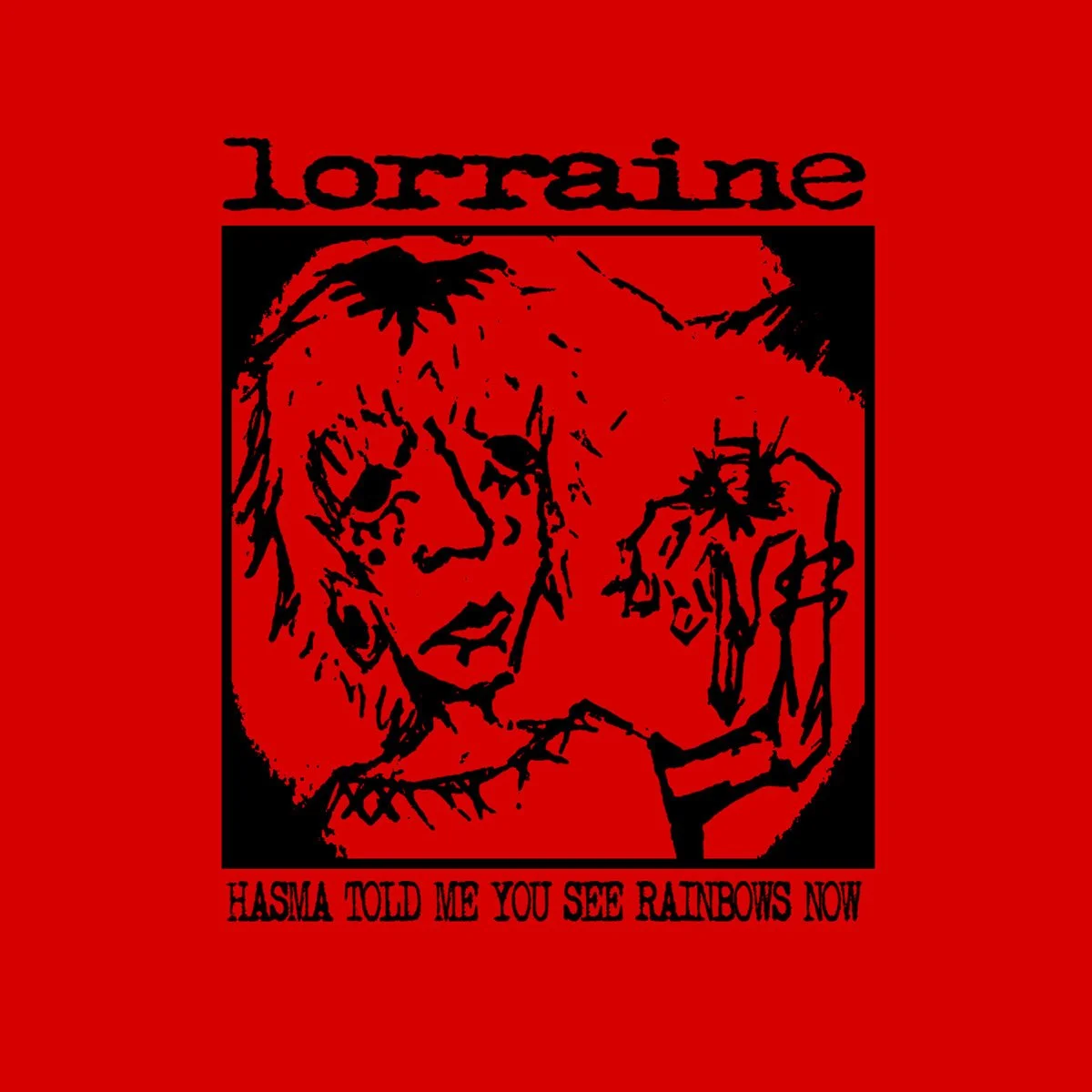
Okay, I admit I could have been a little more specific about my opinion on Hasma Told Me You See Rainbows Now. But that era of my life (three months ago) is dead and gone. I promise to weigh you down with more of my opinions from here. To introduce this month’s subject, At the Drive-In is definitively the second most important and second-best band ever. The “most significant band” pack is fronted by Weezer. No, it’s not. But that would be crazy if that were true. We don’t even like Weezer, although we can respect the artistry behind the blue album and Pinkerton. No, we can’t. I just lied again.
Yours faithfully,
Dannon Walker
Through their 2000 record Relationship of Command, At the Drive-In created a soundscape completely their own. Dissonant, squealy lead guitar from DANNON’S FAVORITE GUITARIST Omar Rodríguez-López and chaotic and varied vocals from Cedric Bixler-Zavala and Jim Ward define the album, pushing At the Drive-In a little too far into the indigestible to truly be the next mainstream act. The release forced At the Drive-In into scene stardom, playing throughout the world. The last few shows in Europe, though, were canceled— the energetic, destructive, and likely drug-fueled performances were draining the band. This, as well as Bixler-Zavala and the band’s friction with antics like crowdsurfing and moshing, led to multiple on-stage outbursts. With Rodríguez-López throwing his guitar down and walking off stage in tears at their last show in the Netherlands, the writing seemed to be on the wall. At the Drive-In, five EPs and three albums into their career, went on an indefinite hiatus in 2001. Exhaustion with the touring schedule was the public reason, but the creative differences became apparent through the formation of Bixler-Zavala and Rodríguez-López's prog band The Mars Volta, opposing Jim Ward and the rest of the rhythm section’s alt-rock band Sparta. The interpersonal details of this split, as well as the preceding and following years, were more clearly defined in Nicolas Jack Davies’ film Omar and Cedric: If This Ever Gets Weird. Never before have I had to hyphenate so many things. On to the opinions.
Elias
At the Drive-In feels like a combination of the sleaze of Fugazi with the more powerful and thick instrumental of hardcore. My personal favorites, like “Sleepwalk Capsules,” have these powerful chords that tie together the rhythmic elements of the bass and the whiny/coarse vocals of Bixler-Zavala. They can channel so much of the hardcore energy in what is technically a post-hardcore album (which Mr. Bixler-Zavala would surely hate hearing), and as someone who appreciates both the intricate melodies of things like indie and emo but also wants the power and violence behind hardcore, this was a refreshing induction into my album rotation. To me, this is one of those albums that, based on the description alone, I would expected to be more ambivalent about; but having listened through all the 13 tacks again and again, I have found the Drive-in’s sound growing on me like a moss. Overall, this album is a solid 8.5/10. I WILL be attending the drive-in regularly.
Dannon
Much like One Eyed God Prophecy, Rites of Spring, and none other than Neil Diamond, it’s hard to overstate the shadow At the Drive-In casts over the rest of the genre. I’m a guitarist. I play guitar. My favorite part of the album is the guitar. Rodríguez-López rules. His stage presence rules. His general philosophy around guitar rules. I really dig the lead guitar on this album, the angular and jarring movement of it complementing Cedric’s frantic vocals. The bottom line is, I hear this record everywhere. When I think of At the Drive-In’s influence, local bands come to mind. Radio Caroline (RIP) and Orange Colored Sky are both so reminiscent of At the Drive-In’s work that it’s scary. An often overlooked aspect of Relationship of Command is the keyboard— it’s a major asset in songs like “Invalid Litter Dept.” and “Non-Zero Possibility”. In case you were wondering, my favorite song is “Invalid Litter Dept.”. The track is both a slight deviation from form— a longer, calmer song, and a more thorough demonstration of the band’s musical and lyrical ability. The track focuses on maquiladoras, and the rampant murder of women often working at them in Ciudad Juárez, Mexico. A horrible issue still, even as homicide has decreased.
9.5/10. The half point off is because, while incredible as they are, the ephemeral nature of the lyricism leaves a little to be desired in terms of listener comprehension— even for those who are reading the liner notes.